

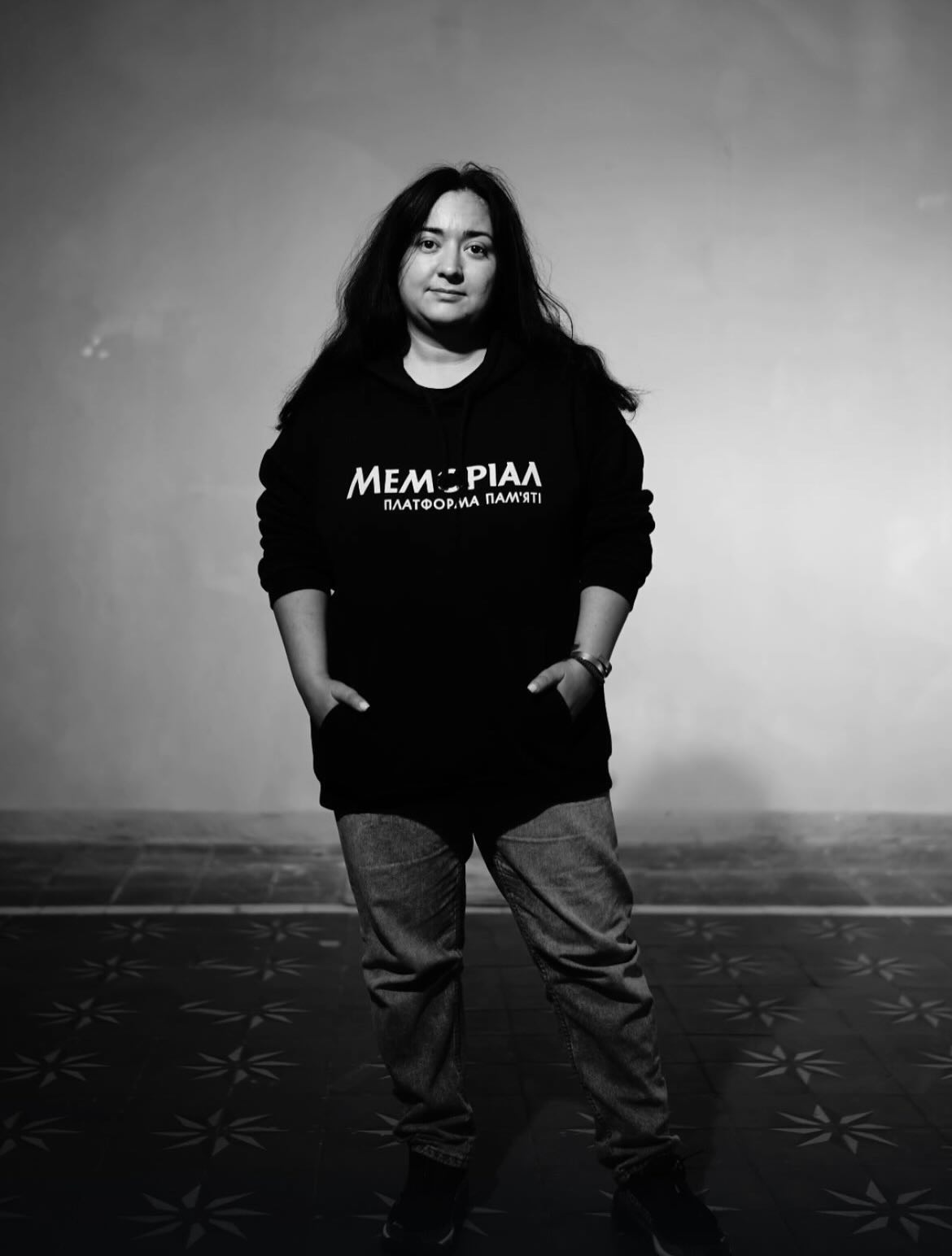
Russia is waging a targeted war against civilians in Ukraine: drones and missiles hit not only critical infrastructure and civilian buildings but also ordinary people, families who die at their workplaces, in their homes, sometimes never managing to take shelter or even wake up.
How do we remember those whose lives were cut short by Russia's imperial ambitions? How do we honour civilians and soldiers who should have had years ahead of them - to create, build, dream - but instead are gone forever?
We spoke with Haiane Avakian, co-founder of Memorial.ua, a platform that collects thousands of personal stories and gives voice to those who can no longer speak for themselves. Here, we analyse why it is essential to tell these stories honestly and fairly, with the nuance they deserve, yet always in a way that ensures the country remembers.
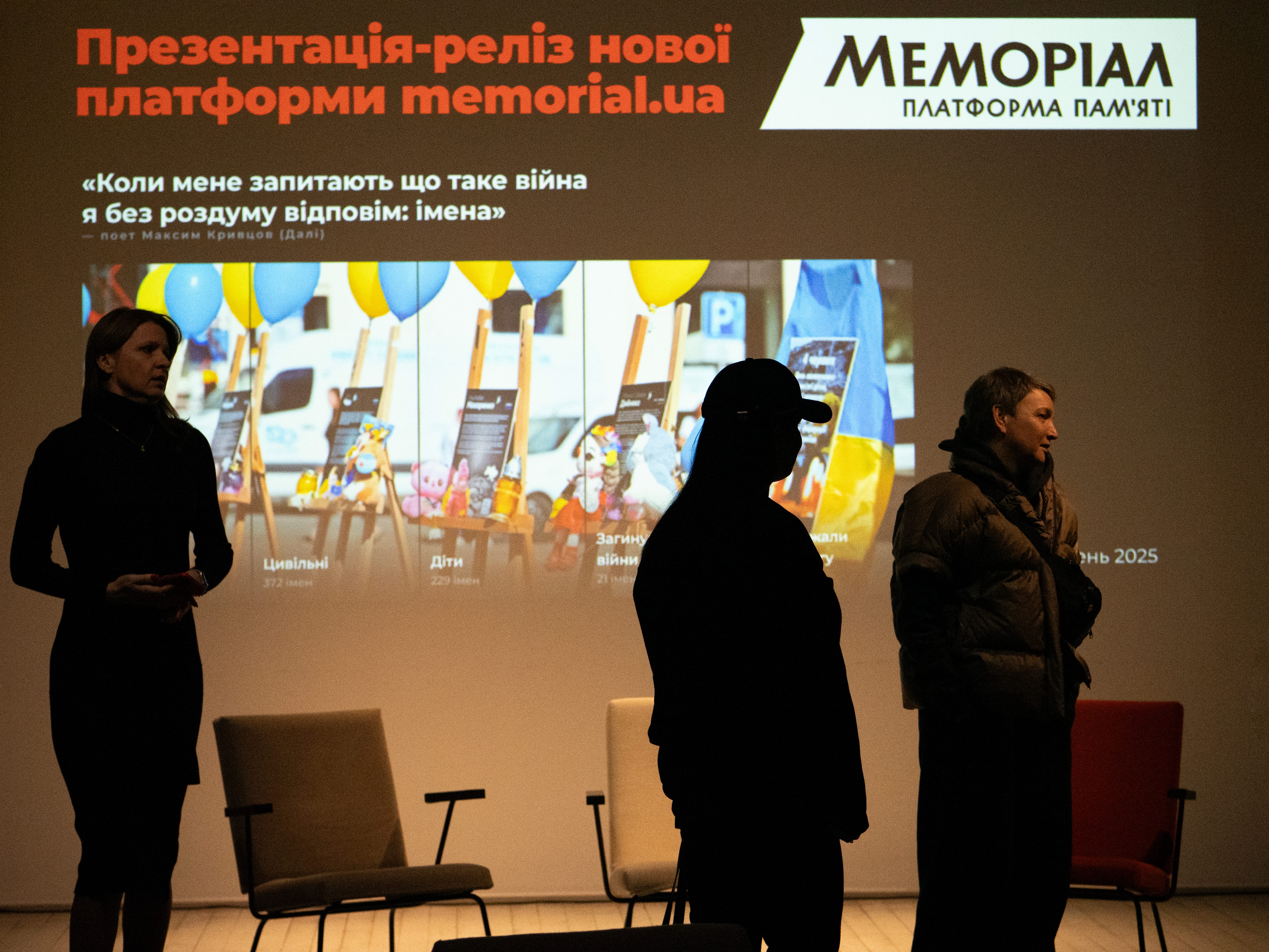
"When you ask me what war is, I won't hesitate: it is names."
Maksym "Dali" Kryvtsov,
a Ukrainian poet and soldier, who was killed in action in 2024.
This line greets everyone who enters Memorial.ua. It conveys the essence of the project: a commitment to knowing and remembering names, to telling and hearing the stories of people who are no longer with us.
Memorial.ua emerged just weeks after Russia's full-scale invasion, as a volunteer initiative for documenting stories of civilian victims of the war. Many of the earlier stories came from Mariupol, still, the main goal was to record civilian deaths across Ukraine.
What began as a project on Facebook and Instagram, created without funding and driven by responsibility and urgency, later became a platform that documented stories of civilians killed by Russia: it quickly grew as newly liberated regions like Kyiv, Sumy, and Chernihiv regions uncovered more crimes.
Memorial.ua evolved into the largest digital memorial in the country,now preserving more than 11,000 personal stories and with this growth, the mission also changed. From the goal of "turning numbers into names", it became a larger one: helping to shape a new Ukrainian culture of remembrance - one formed in real time, during the war and free from Soviet or borrowed models.
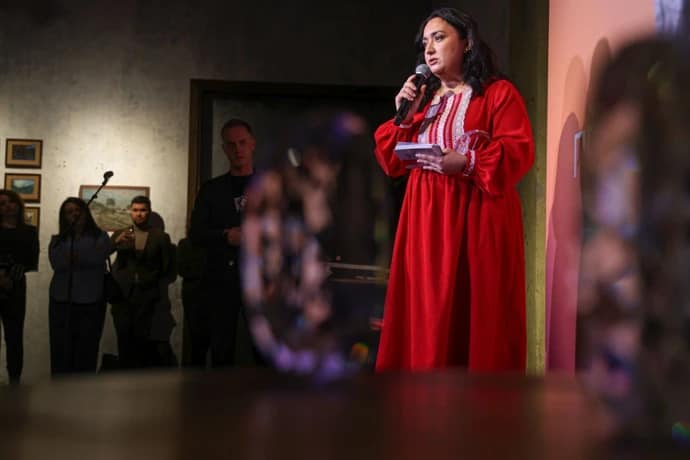
Each story is the result of delicate work with families: these conversations depend on trust, empathy and the understanding that people speak through their deep grief, often crying, pausing, hesitating or needing support. For that reason, the team works as a community united by a shared goal: not only to document the circumstances of death, but to restore a life, a person's dreams, work, relationships, and the personhood taken away by the war.
Even in describing their own team, Memorial.ua follows the principle that defines its work: no one is left behind. The website lists not only those who work on the project today, but also everyone who has ever contributed.
Over three years, the team developed its own ethical code - a document written, if not in blood, but in pain. It emerged in response to real challenges: conflicts within families, disagreements over details, or situations in which someone close to the deceased was not ready for the story to be published.
"The most important word in this code of ethics is trust... The topic is super sensitive, and the people who trust us with these stories are making a certain effort, " shared Haiane Avakian.
The code also sets clear rules for working with relatives, helps prevent disputes and establishes a firm position regarding Russia: Memorial.ua will never take part in projects that feature the stories of Ukrainian victims alongside those of Russian soldiers, any attempt to "bring together" the victim and the perpetrator is unacceptable.
Why New Forms of Remembering Matter
Across Ukraine, remembering is becoming something living, active and human-centred. As Haiane Avakian explains, the principle guiding this shift is simple yet powerful:memory is action.
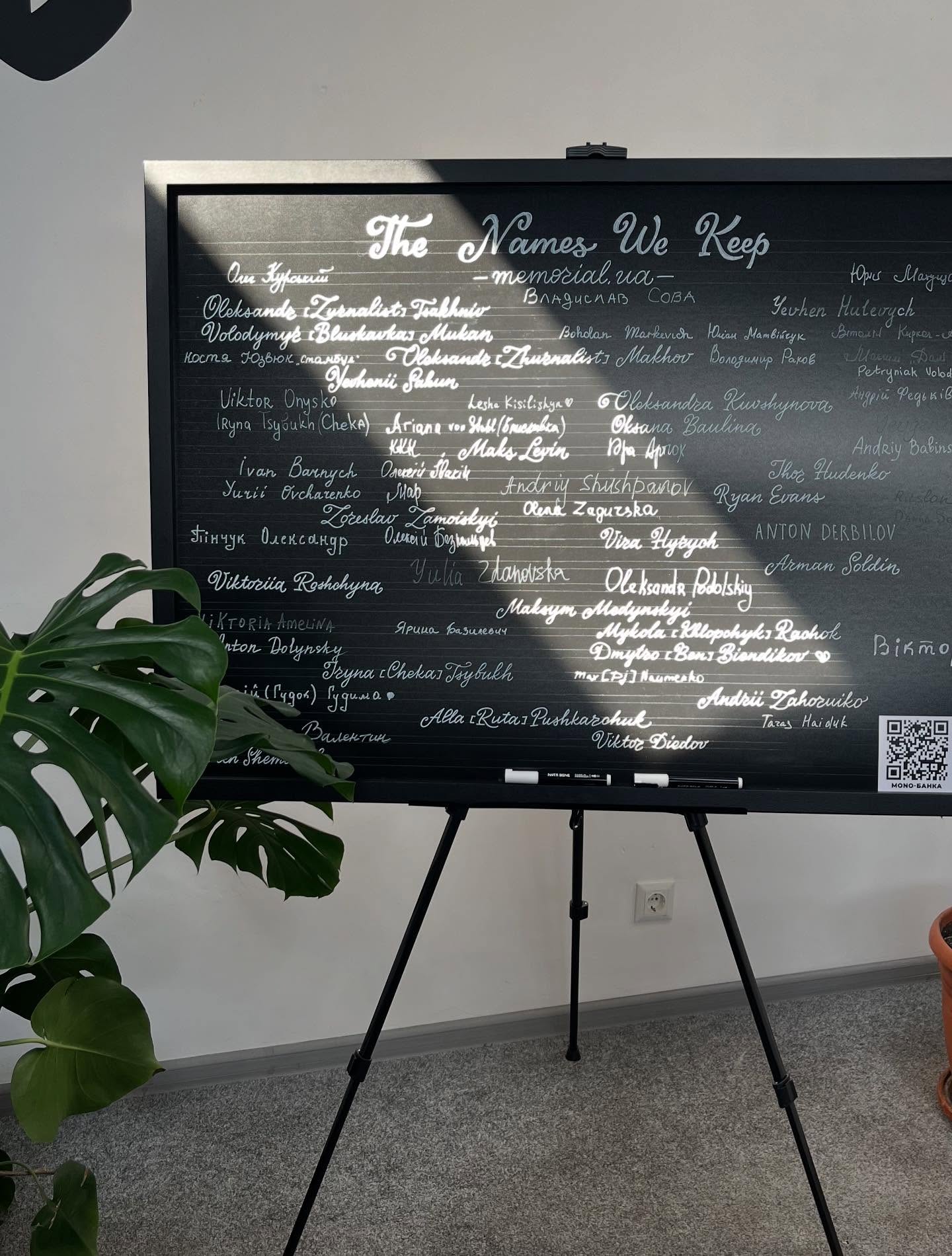
For the team, memory is not a static object, it is something people can and should do. In a time of enormous loss, Ukrainians embrace daily gestures that allow them to participate in remembrance directly: writing a name, lighting a candle, planting a flower or reading a story - these acts restore dignity and create a sense of shared responsibility.
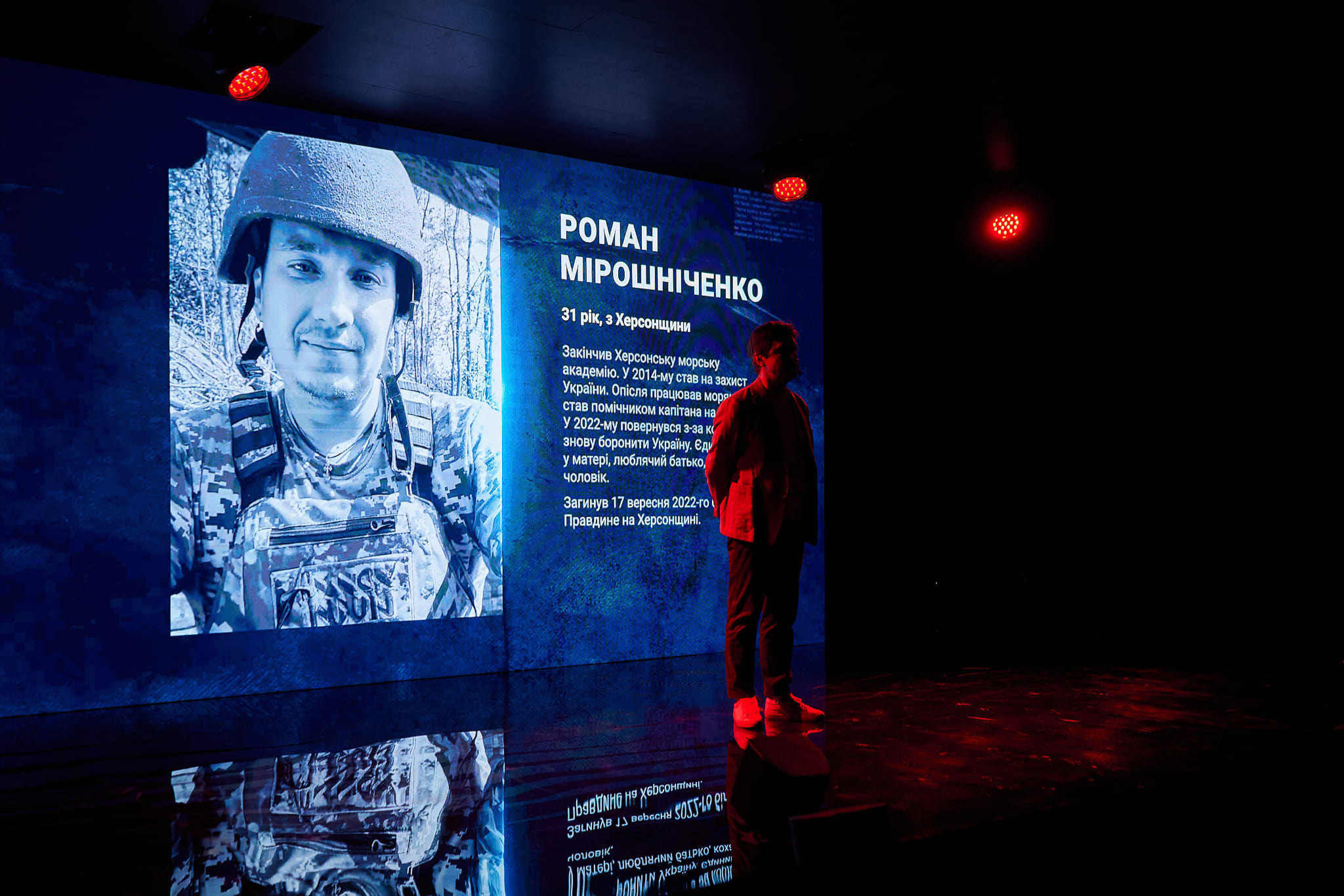
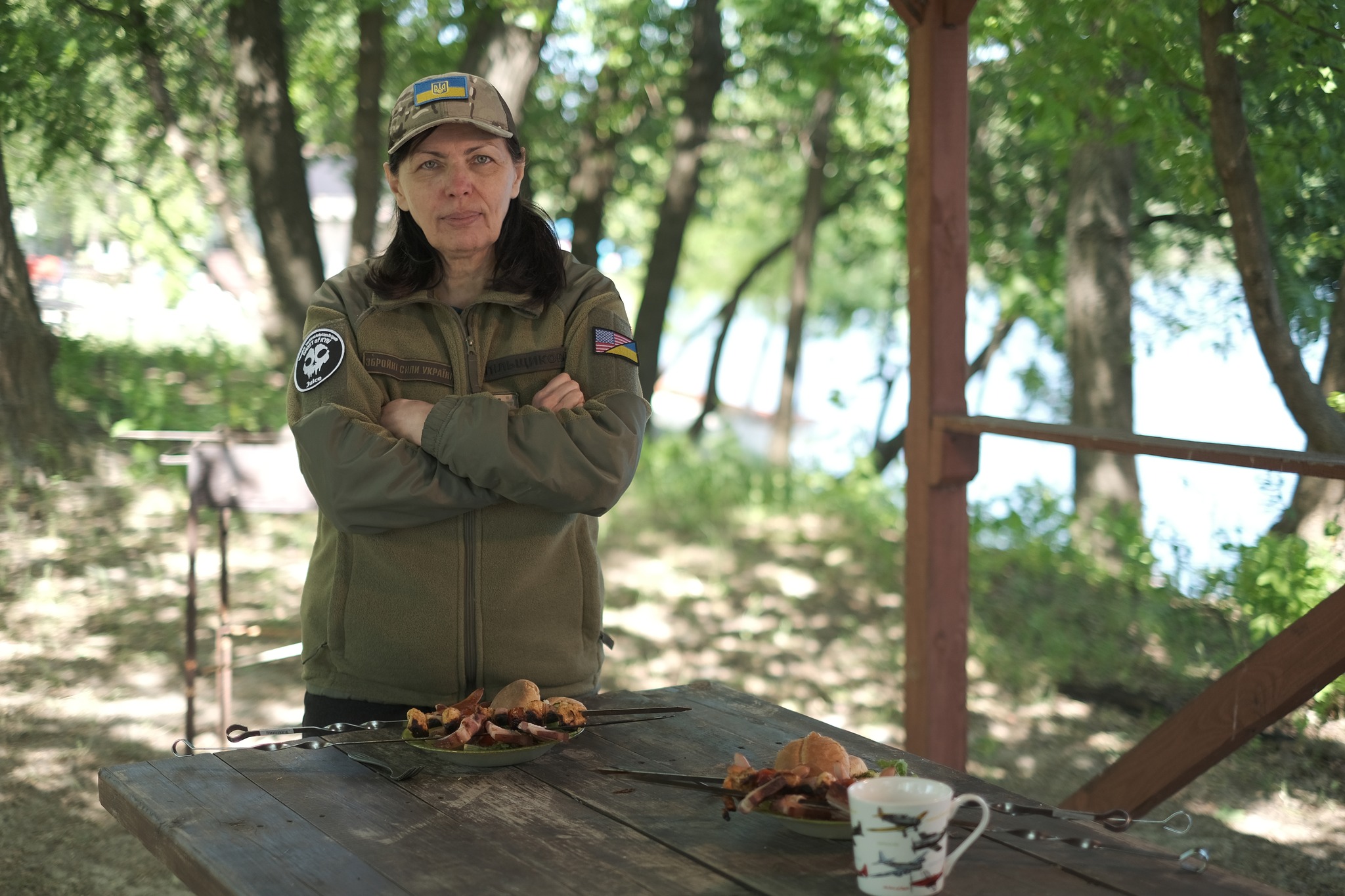
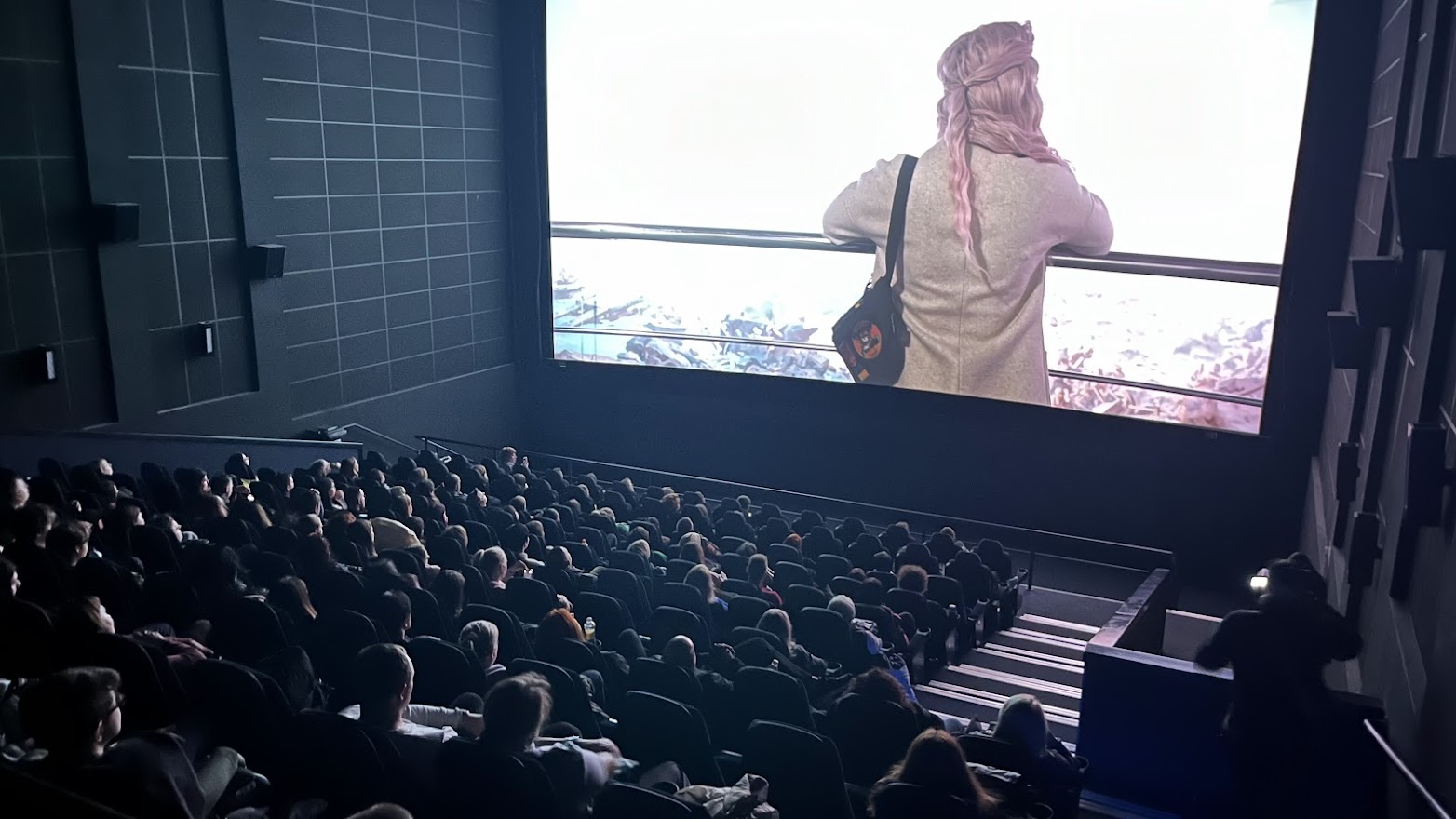
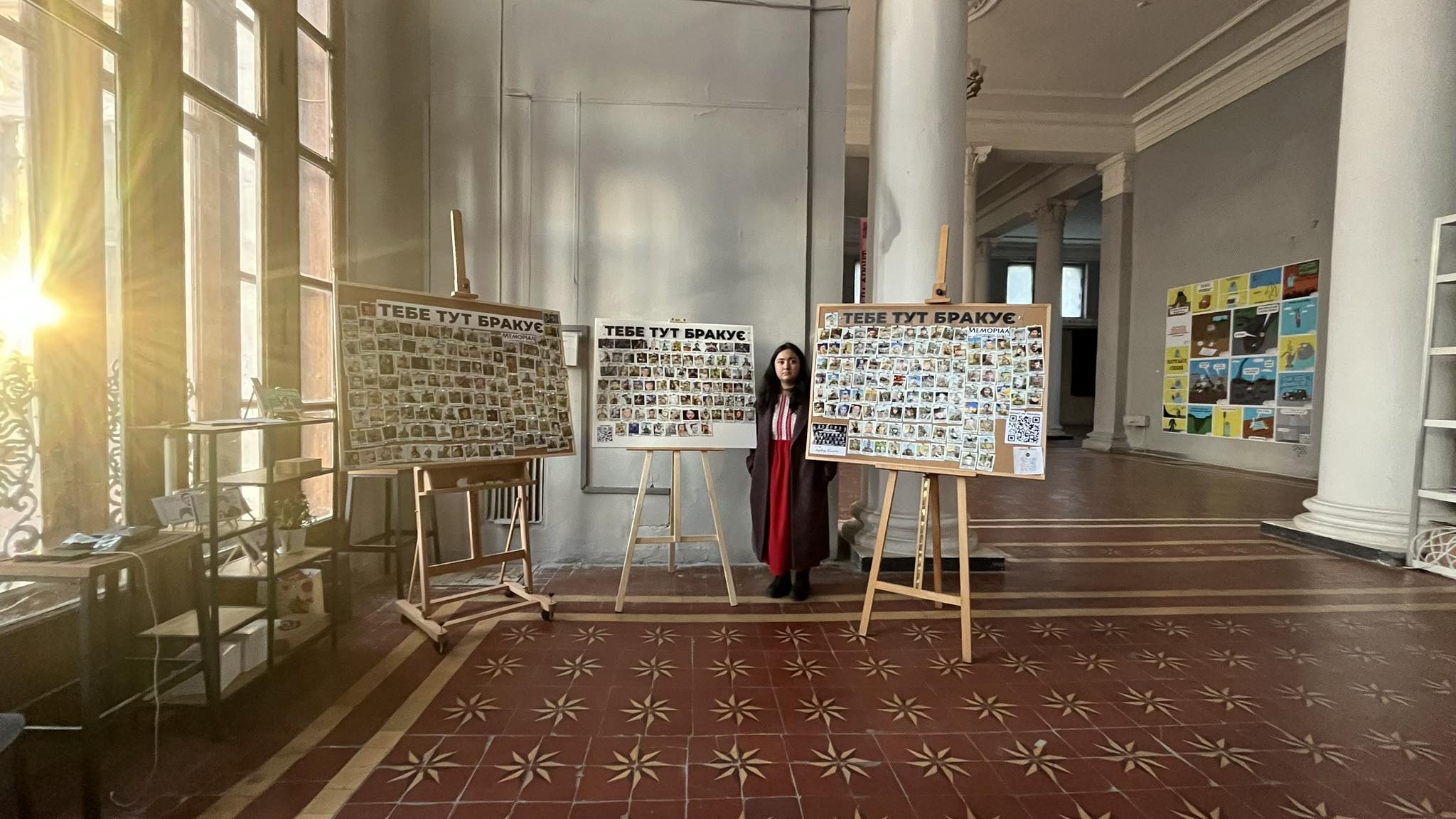
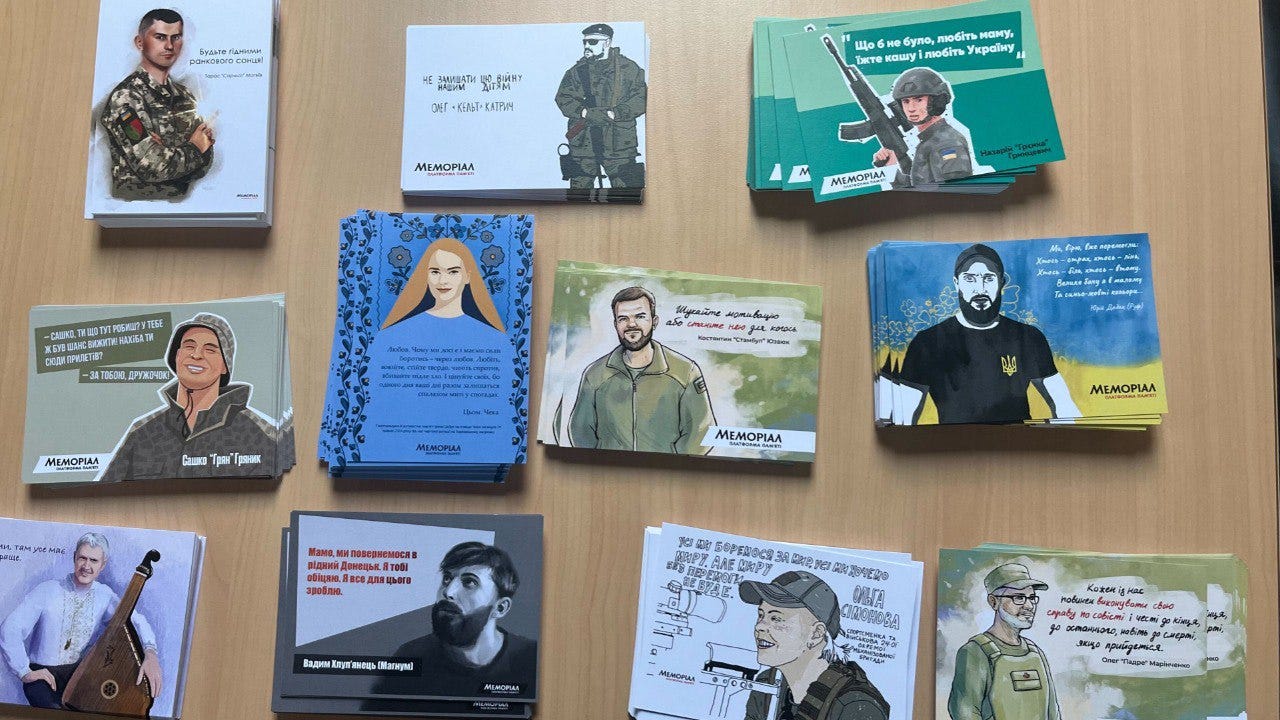
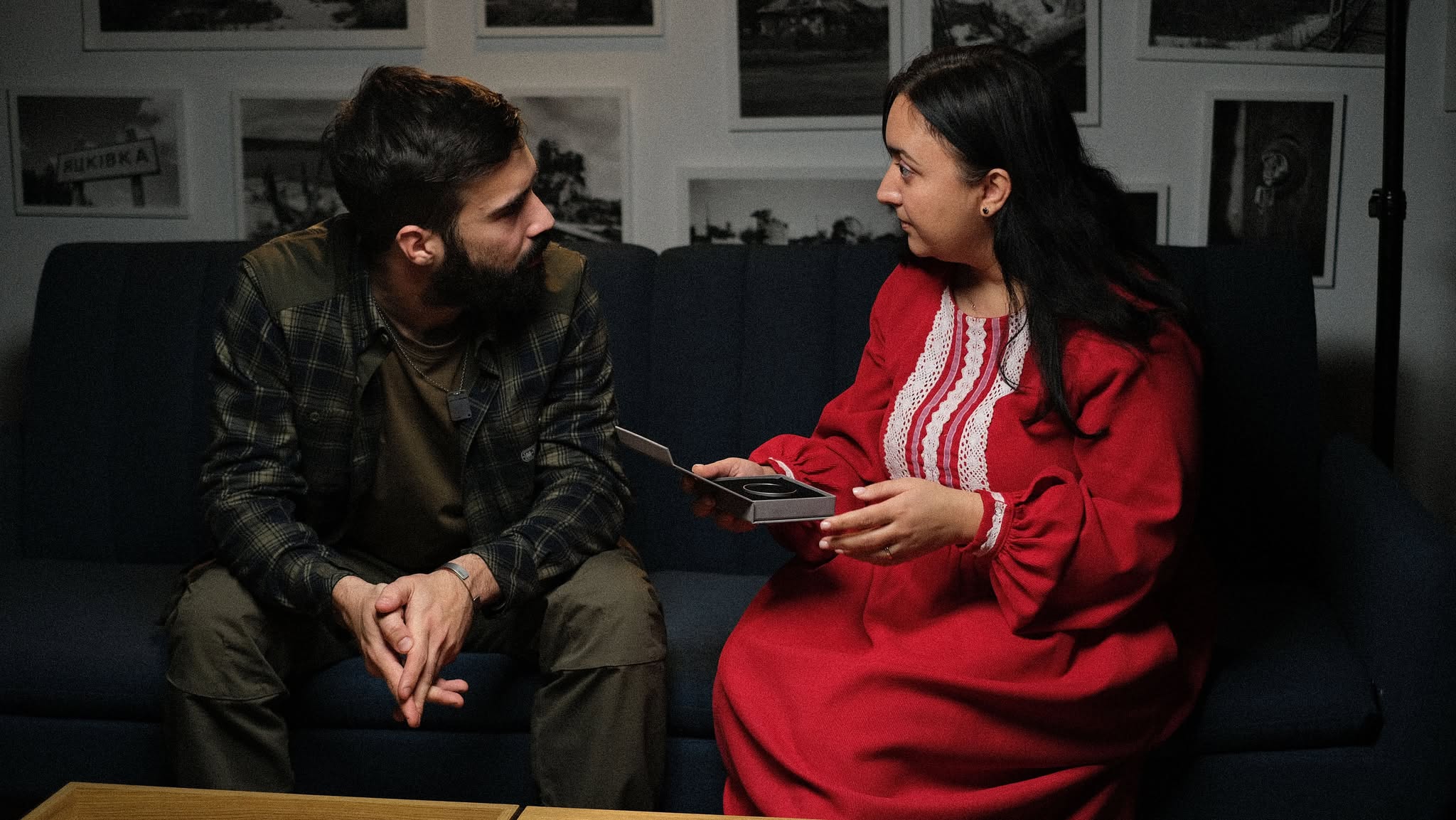
These Memorial.ua initiatives illustrate how memory is being woven into the fabric of daily life:
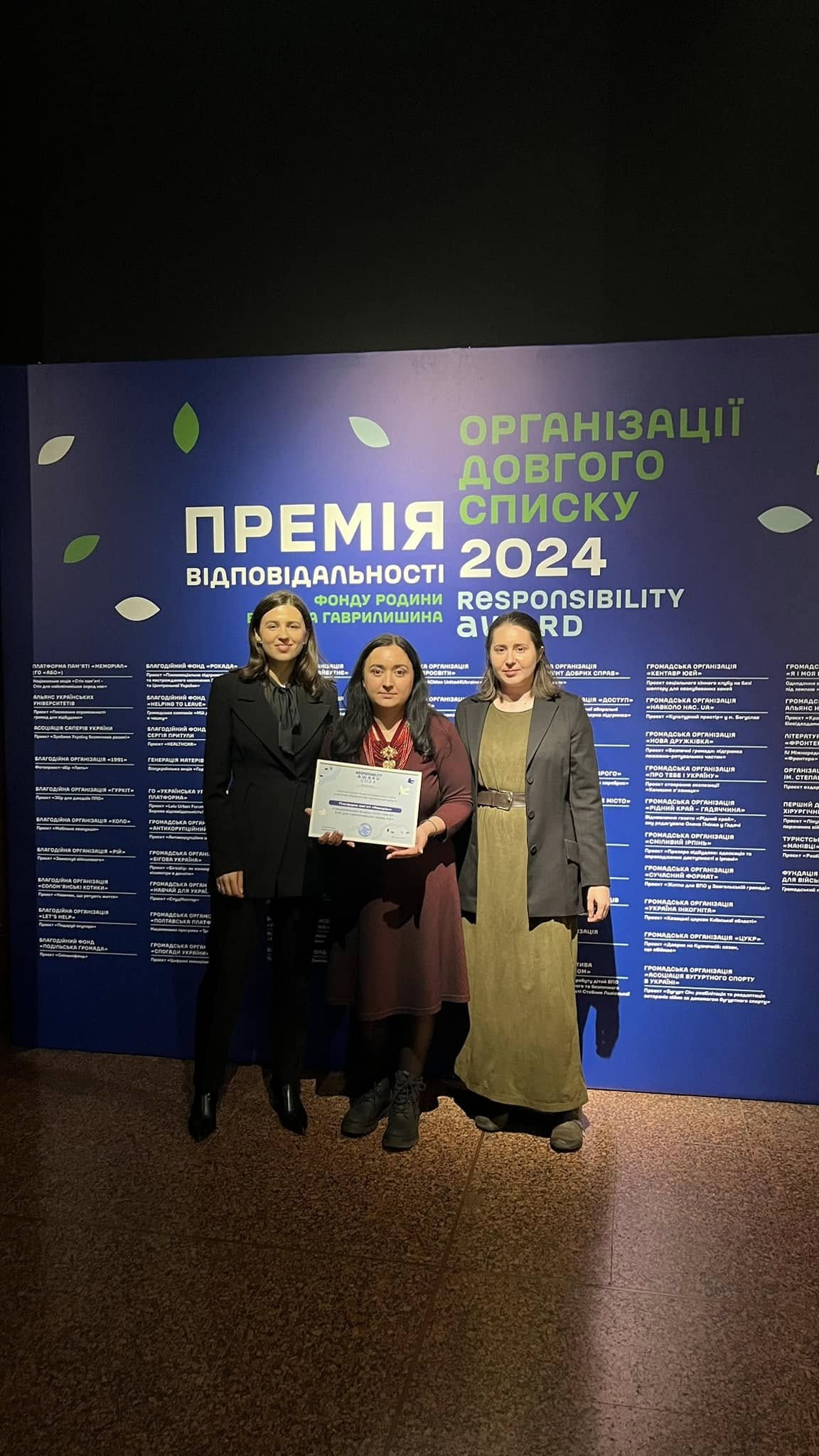
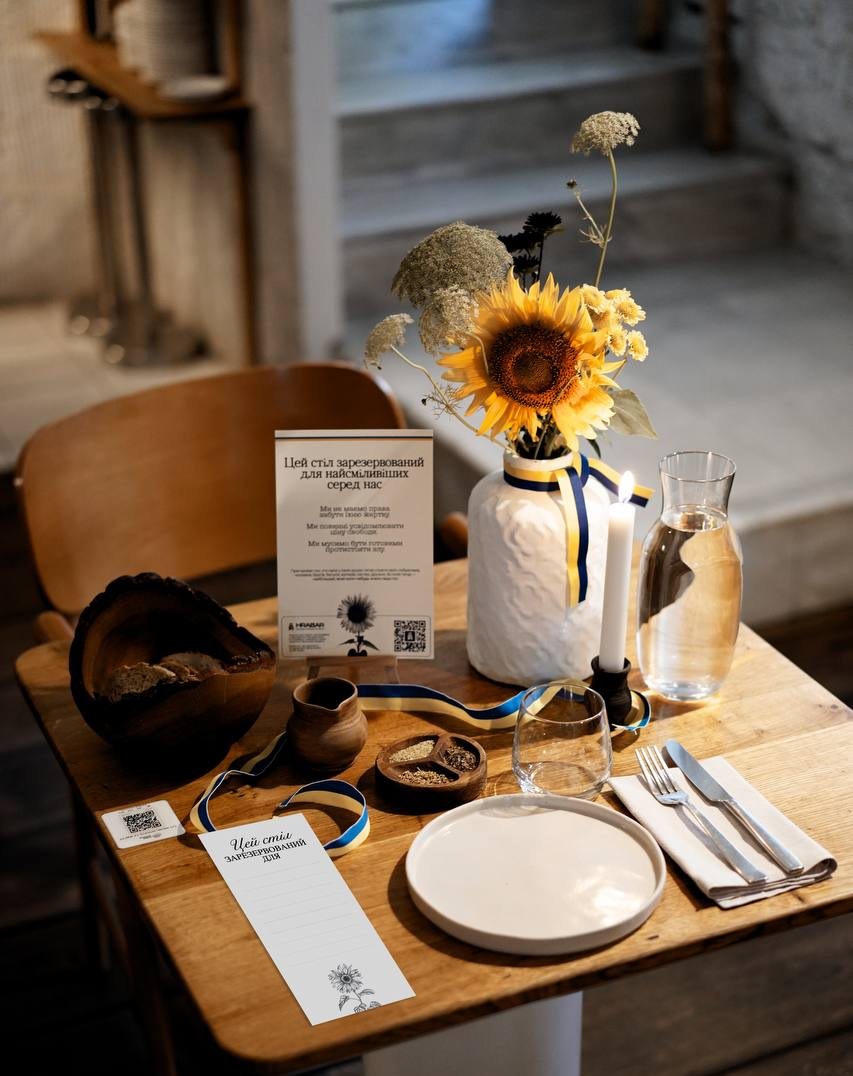
Such formats of remembrance personalise loss and weave memory into everyday life; at the same time, they do not alienate,they encourage curiosity and understanding.
The platform collaborates with state and human rights organisations that document war crimes and prepare materials for international accountability, the team shares information with groups such as the Media Initiative for Human Rights, the Coordination Headquarters for Prisoners of War, the Centre for Civil Liberties, Human Rights Watch and others who work with the International Criminal Court.
Personal narratives help international investigators in understanding the human stories behind documented crimes - not just the events, but the lives that have been destroyed.
It once again highlights a sad but unique Ukrainian experience - we are not waiting for the war to end; instead, Ukraine is forming a model of remembrance and documentation during a war marked by systematic violations of international humanitarian law.
Olenivka was a detention facility located in the temporarily Russian-occupied Donetsk Oblast. It gained worldwide attention after the explosion in July 2022, which killed dozens of Ukrainian prisoners of war. Russia did not allow independent investigators access to the site.
For more than two years, Memorial.ua has worked closely with families of the victims, gathering testimonies and trying to reconstruct what happened despite the complete lack of access, contradictions in Russian narratives and the absence of reliable official information.
As Haiane Avakian explains, Olenivka became one of the most difficult projects the team has ever undertaken. Families received no answers from international institutions that were supposed to protect prisoners of war and many of them still refuse to accept Russian claims about the circumstances of death. To document this crime and to preserve the memory of those killed, Memorial.ua, in collaboration with Media Initiative for Human Rights and The Ukrainians Publishing, created a dedicated digital project and later published a book titled Olenivka: Crime. Memory. Broken System, focusing on the human stories behind the tragedy and the failures that allowed it to happen.
For international audiences, Olenivka shows why personal documentation matters: without testimonies, many stories and the truth would remain hidden amid propaganda and silence.
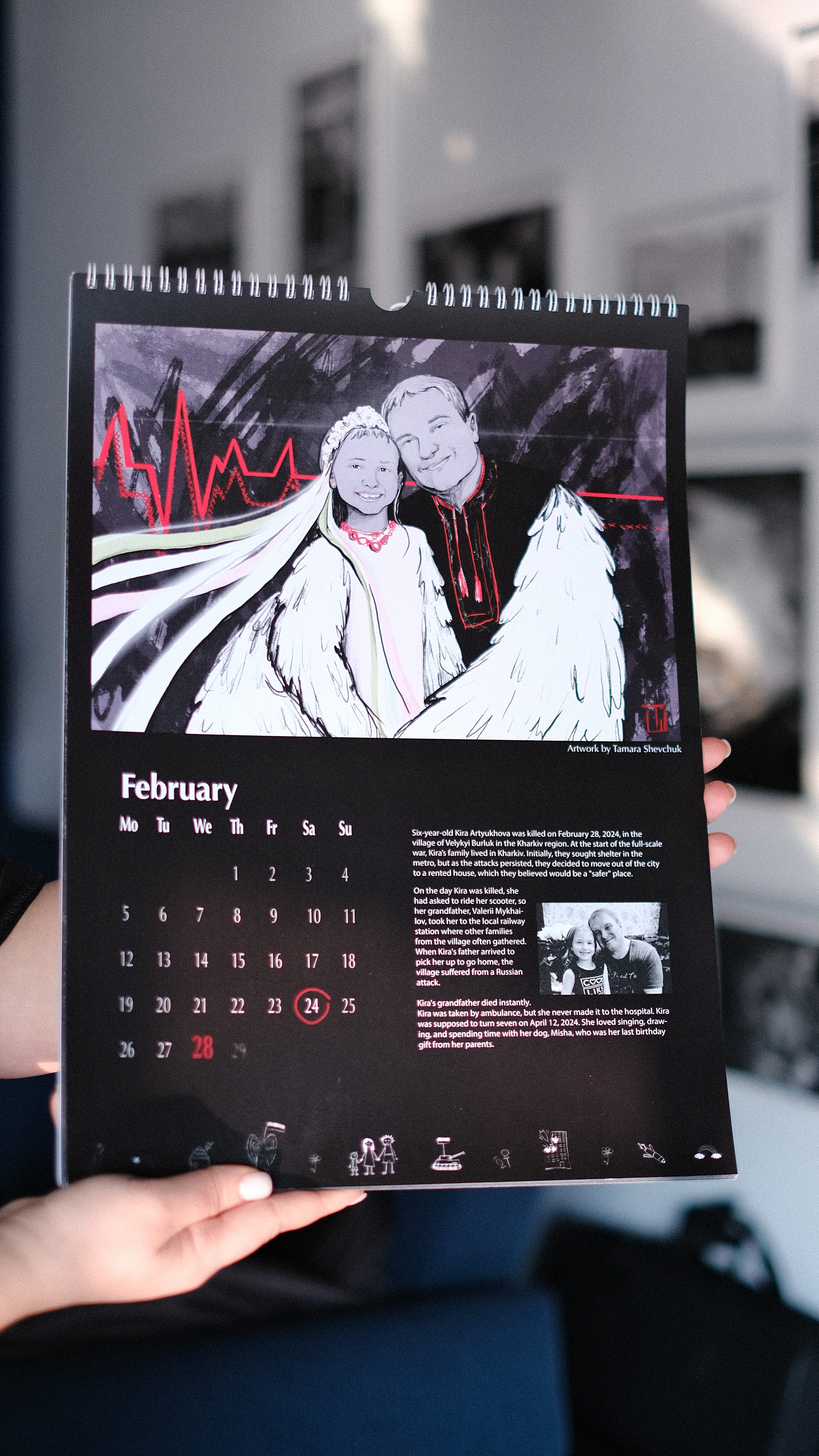
One of the most emotionally powerful parts of Memorial.ua's work is documenting the stories of children killed by Russia's war,
as families are deeply traumatised, photographs are sometimes scarce and information can be limited.
Yet these stories have had a profound impact internationally. Exhibitions titled "Lost Childhood", created in partnership with Ukrainian communities abroad, have already been shown in more than twenty countries. Foreign audiences, politicians and journalists often react with shock and grief to the personal details -- the everyday lives, dreams, and ambitions of children who were killed.
These stories create empathy that can influence political decisions, strengthening support for Ukraine where abstract numbers cannot.
"We have the story of a little girl from Mariupol. When we were creating her story, we didn't have a single photograph of her, not one. So we wrote it based on what her family told us. There is a story, even though there is no photo. And that doesn't stop us from telling it." Haiane Avakian recalls one of the first stories they told.
Ukraine is shaping a new culture of remembrance in real time, in the middle of the war, that continues to target civilians.
When we preserve the memory of those who have fallen, we are first and foremost protecting their dignity.
By acknowledging individual lives - their dreams, their unfinished paths, their place in the world -- Ukraine states that these losses are not abstract, not anonymous and not in vain. These stories are threads of the future: fragments of lives that could help define Ukraine that will emerge after the war, a country that chooses dignity, even when confronted with the aggressor's attempts to destroy the very sense of humanity.
The article is produced by UkraineWorld with the support of the Askold and Dir Fund as a part of the Strong Civil Society of Ukraine - a Driver towards Reforms and Democracy project, implemented by ISAR Ednannia, funded by Norway and Sweden. The contents of this publication are the sole responsibility of UkraineWorld and can in no way be taken to reflect the views the Government of Norway, the Government of Sweden and ISAR Ednannia.
interviewed by


