

Before 2022, the Chornobyl Exclusion Zone attracted tens of thousands of visitors each year.Tourism peaked in 2019, when more than 124,000 people visited the area following the famous TV miniseries. Even after the decline caused by the COVID-19 pandemic, nearly 73,000 visitors still entered the Zone in 2021. The Exclusion Zone was occupied by Russia since the first days of the full-scale invasion in February 2022, and later in spring was liberated by Ukraine, though ever since it has been closed for tourists.
Here, we virtually explore the territory, history and landmarks of the Chornobyl Exclusion Zone,
a place that became a stark reminder of a disaster shaped by ambition, denial and disregard for human life.
The Exclusion Zone was created after the 1986 nuclear disaster and is a restricted territory covering roughly 2,600 square kilometres around the Chornobyl Nuclear Power Plant (CNPP), it became synonymous with radiation, contamination and abandoned landscapes. Yet for decades, it attracted global attention not only because of the risks, but also because it offered the chance to walk through deserted Soviet streets, photograph abandoned buildings or witness a landscape where nature gradually reclaimed human space.
For most visitors, the journey through the Zone began at the place where the disaster started: Reactor No. 4.
However, visitors were never allowed to approach freely as radiation levels vary across the site and access has always been carefully managed.
On April 26, 1986, Reactor No. 4 at the CNPP exploded during a late-night safety test intended to examine how the reactor would behave during a power outage. A combination of reactor design flaws, operator decisions and systemic failures caused the situation to spiral out of control, and, as a result, at approximately 1:23 a.m., two explosions occurred: the roof collapsed, radioactive material was released into the atmosphere and a fire began burning inside the damaged structure.

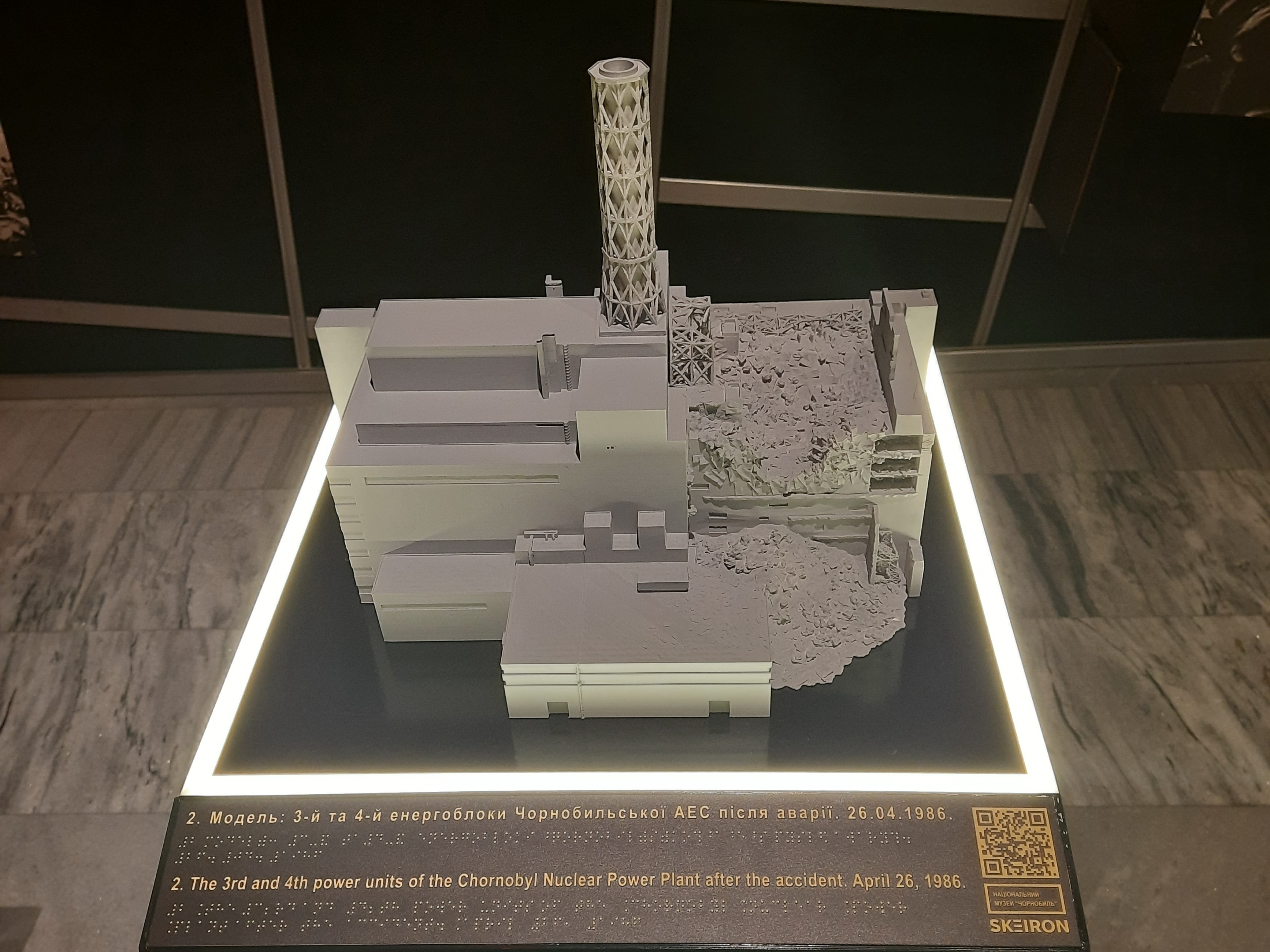
The Soviet regime faced an immediate problem: how to isolate the destroyed core quickly enough to prevent further contamination.
In the months following the explosion, hundreds of thousands of individuals were mobilised to contain the consequences of Chornobyl: to stabilise the reactor, evacuate contaminated areas and prevent further escalation.
They became known collectively as "liquidators",
a broad term that included firefighters, engineers, military personnel, miners, construction workers, medical staff, helicopter crews and cleanup teams. Many of them arrived with limited information. They entered dangerous conditions because the disaster demanded immediate action and because the Soviet system again relied on human labour to compensate for technological and institutional failure.
In the earliest hours after the explosion, firefighters climbed onto the burning reactor and tried to extinguish the fire, medical workers treated contaminated patients without specialised protective equipment. Soldiers cleared radioactive debris from roads and rooftops, helicopter pilots flew repeated missions above the damaged reactor to drop sand, lead and boron into the exposed core.
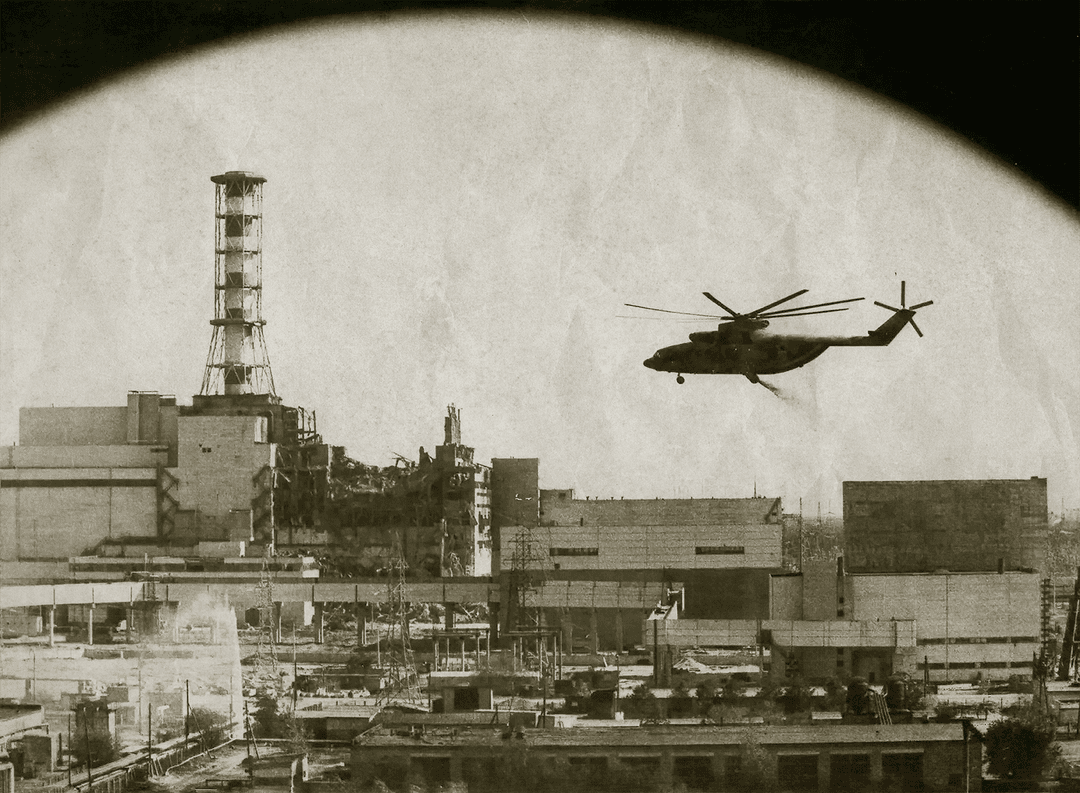
One of the most dangerous tasks took place on the reactor's roof as pieces of radioactive graphite and debris had to be removed manually because robots repeatedly failed under extreme radiation. So workers entered the roof for only seconds at a time, rushing to shovel debris before returning to shelter, they became informally known as "bio-robots"
- human substitutes for machines that could not survive the conditions.
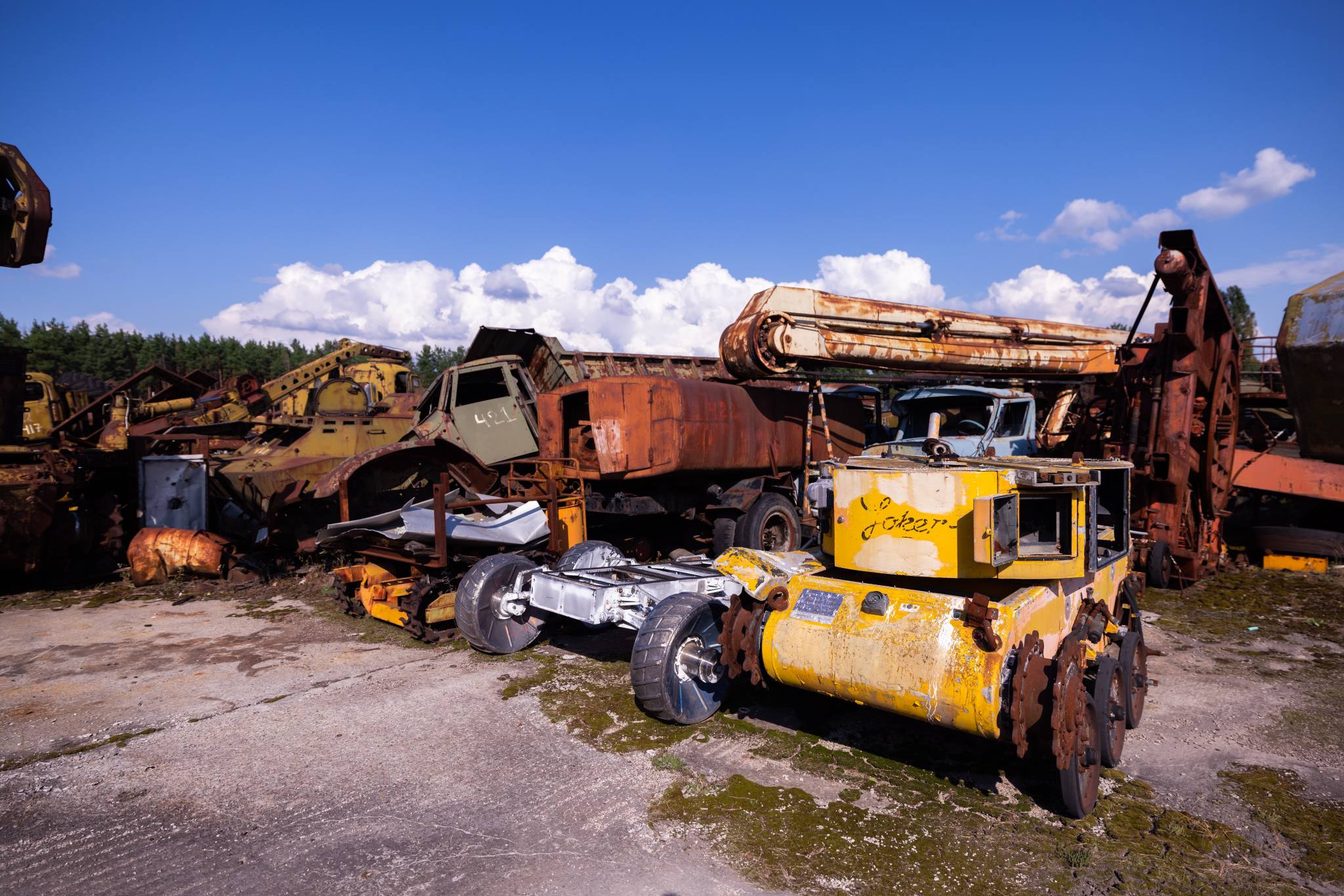
The human cost of the whole liquidation was immense.
Many later experienced long-term health complications linked to radiation exposure, including cancers, cardiovascular disease and psychological trauma and others struggled to receive adequate recognition or state support.
In the same year of 1986, a massive concrete-and-steel structure known as the Sarcophagus or Shelter was built over the destroyed reactor, although it was constructed under intense radiation exposure and extreme time pressure, it could not be permanent; it served as a temporary solution.
Over time, concerns grew that the original structure could deteriorate and an international coalition of countries funded a second containment system: the New Safe Confinement. The enormous steel arch was assembled nearby and gradually moved into position over the damaged reactor in 2016. Designed to last roughly a century, it became one of the largest movable land structures ever built.
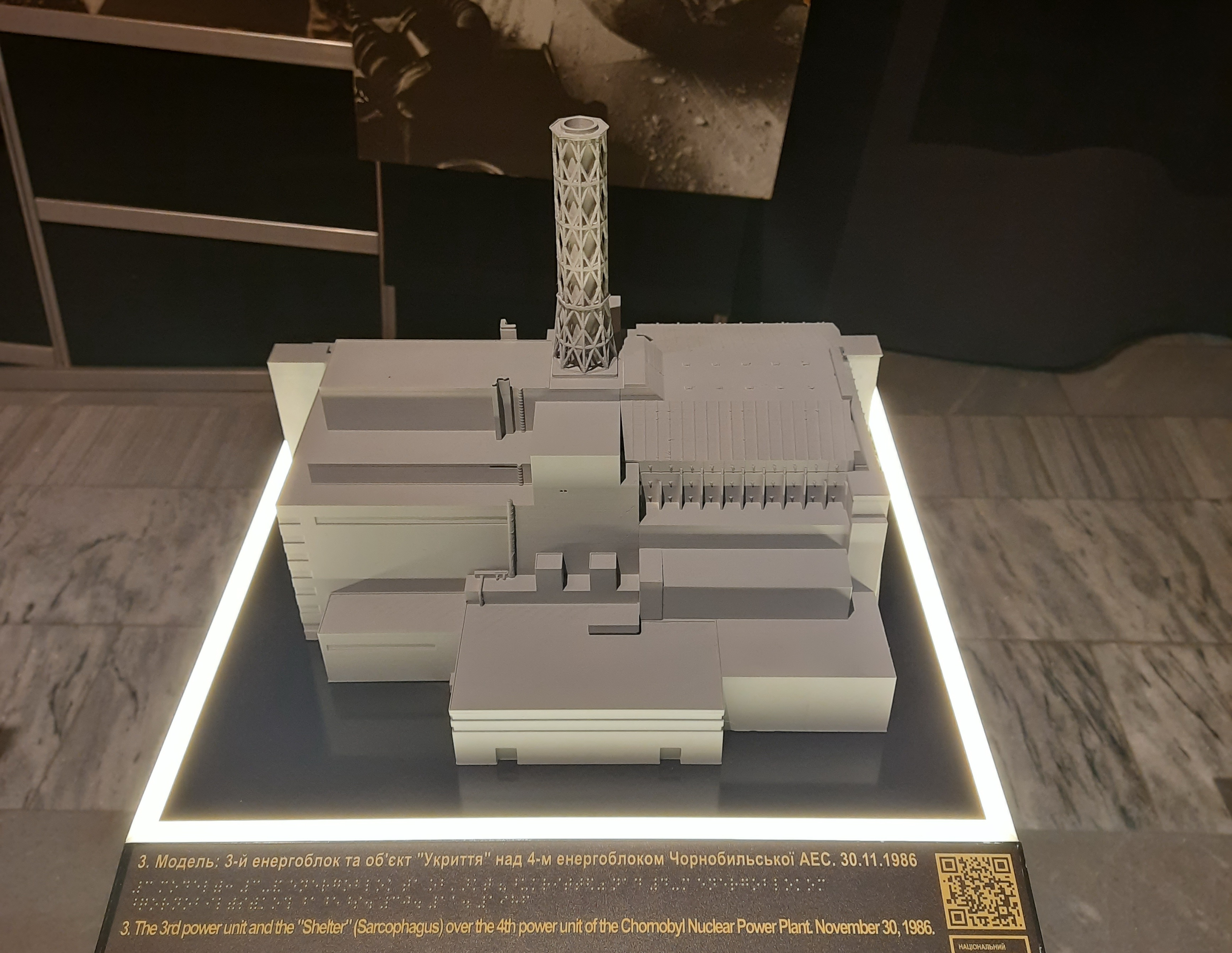

However, this structure was not created to withstand Russia's war against Ukraine - in 2025, a Russian drone strike damaged part of the New Safe Confinement structure, raising renewed questions about the vulnerability of one of the world's most dangerous nuclear sites.


Prypiat was built in 1970 as a model Soviet city for nuclear workers and their families, it was modern by Soviet standards: wide avenues, apartment blocks, schools, sports facilities, cultural centres and public parks. By 1986, nearly 50,000 people lived there with most of the residents being young (the average age was around 26).
When the reactor exploded, the authorities did not immediately acknowledge the scale of the disaster.
The city's residents continued their daily lives for more than a day after the explosion: schools remained open, people walked outside and children played in contaminated air. Some people recall that the only recommendation passed was "Go home and shut your windows", though these words were spoken in secret, often in whispers. Official evacuation began roughly 36 hours later, with the notion that it was temporary and people would return within a few days. They never came back.
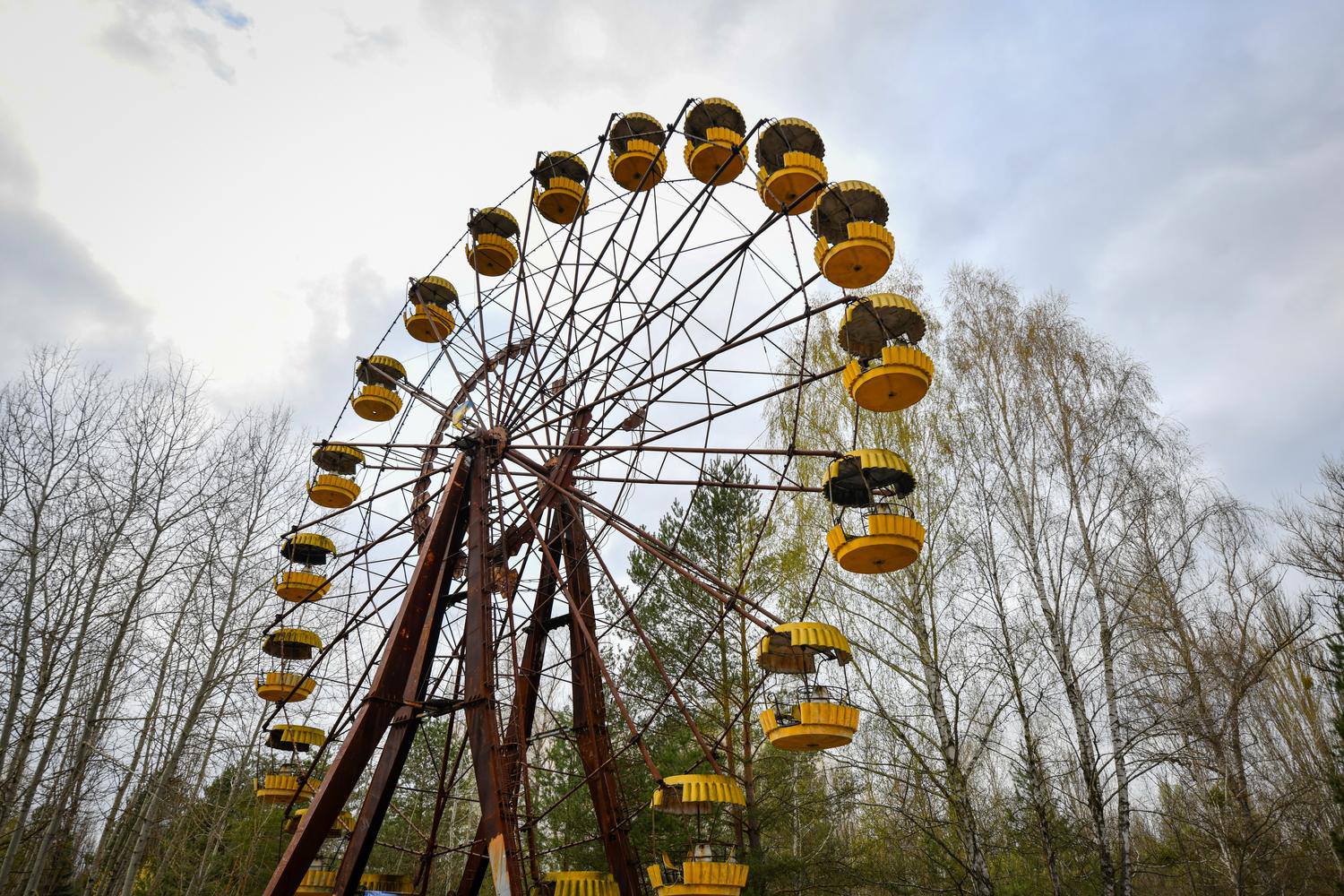
The Ferris wheel in the amusement park became the most recognisable symbol of the catastrophe, it was scheduled to open for May Day celebrations in 1986, but no one ever used it.
Soviet apartment blocks remain frozen in decay: tableware and clothes lie in someone's home and schoolrooms contain scattered books and toys.
One of the most unsettling locations is MSCh-126, the medical facility where firefighters and plant workers were brought after the explosion. Doctors treated patients without fully understanding the scale of radiation exposure and protective equipment was limited. Clothing removed from contaminated workers was stored in the hospital basement, now it is still there and the place remains highly radioactive decades later.
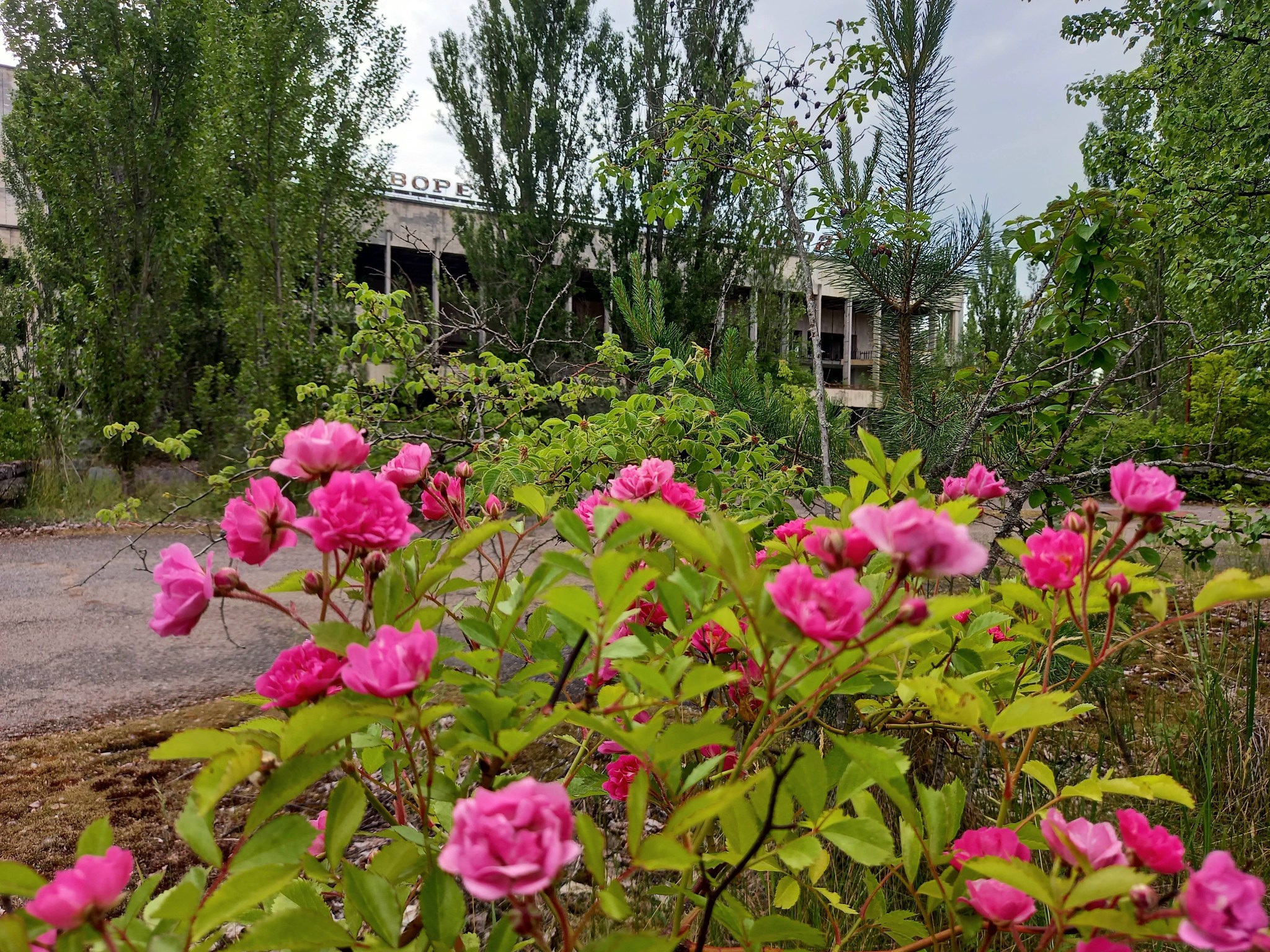
Over the decades, nature has slowly entered the city: trees grow through rooftops, roots crack asphalt roads.
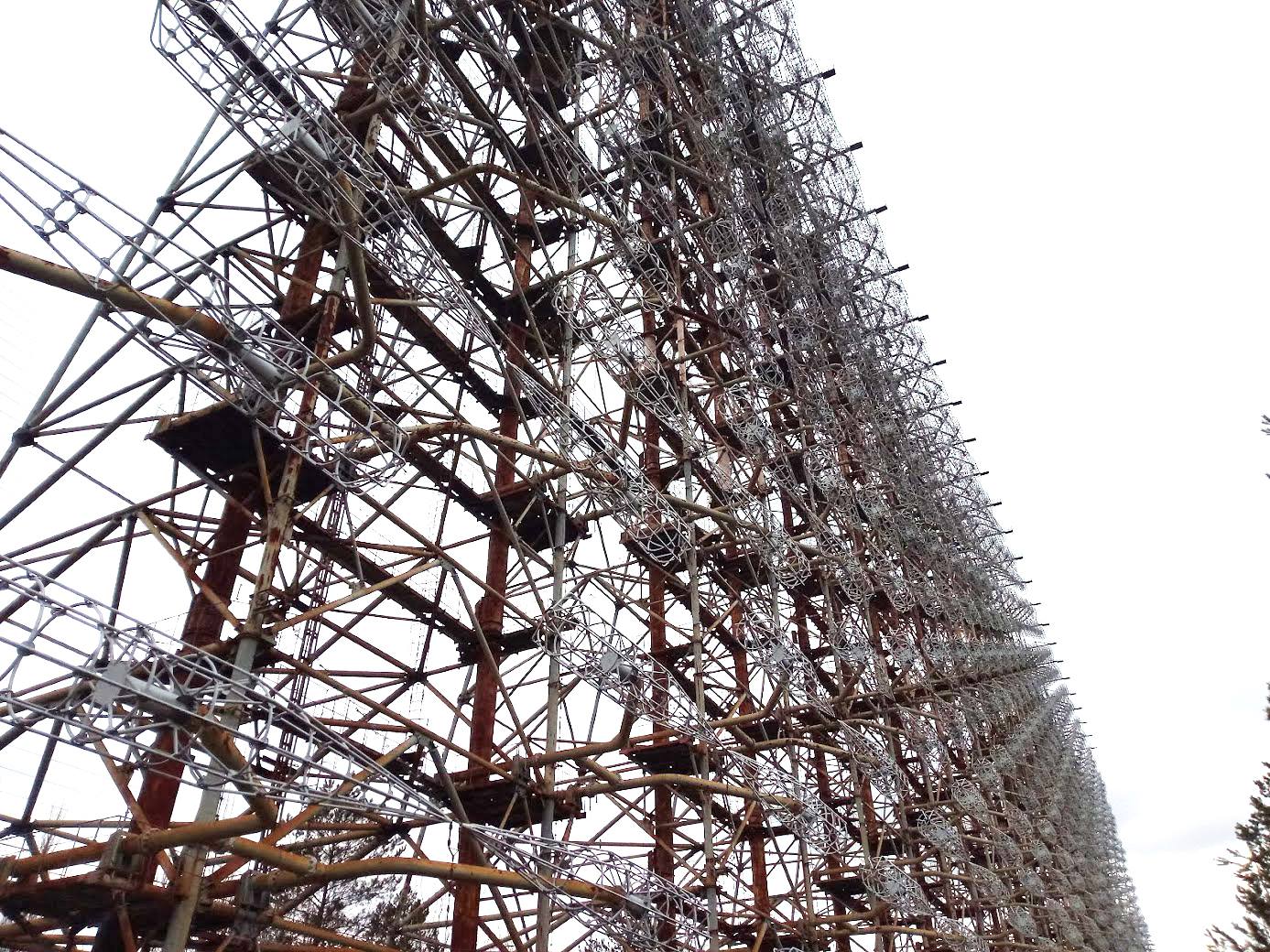
Deep inside the forests of the Exclusion Zone stands an enormous structure that seems entirely disconnected from nuclear disaster. But, it's just at a first glance. Known as Duga (a name that can be translated into English as "arc"), it rises above the trees as a wall of steel nearly 150 meters high and roughly 700 meters long. Rusted and slowly collapsing, it remains one of the largest abandoned military objects in the former Soviet Union.
However, Duga was part of a secret radar system built during the Cold War, its purpose was to detect launches of intercontinental ballistic missiles. As was often the case in the USSR, it was supposed to be unheard and unseen, but, in reality, during operation, it produced a repetitive tapping noise heard on radio frequencies worldwide; this way, it became known as "Russian Woodpecker".
The radar complex was supported by a hidden military settlement known as Chornobyl-2. Unlike Prypiat, this town did not officially exist on public maps, but was disguised as a children's camp and hidden behind layers of Soviet secrecy. More than a thousand people lived there, along with apartment buildings, a school, a kindergarten, sports facilities and technical infrastructure - all built to support military facilities.
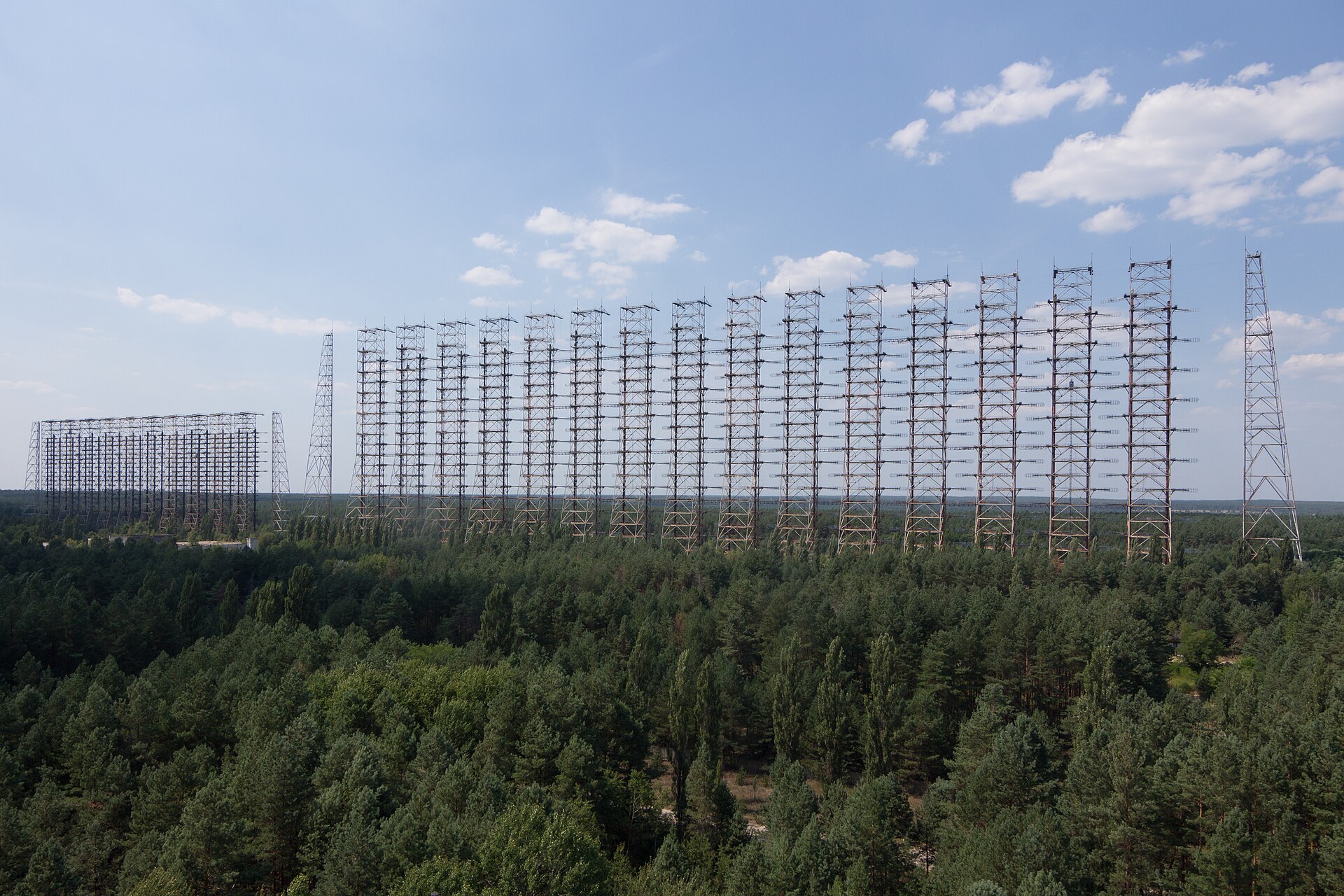
Today, roads leading to Duga pass through dense forest with an enormous structure appearing suddenly through the trees, towering above the landscape.
Few places inside the Exclusion Zone carry the same sense of invisible danger as the Red Forest. Located near the power plant, this stretch of woodland received some of the highest levels of radioactive fallout following the 1986 explosion:pine trees absorbed intense radiation exposure with their needles turning reddish-brown, giving the area its name.
To deal with contaminated trees, Soviet cleanup crews bulldozed large sections of dead forest and buried it beneath layers of soil. The goal was to reduce airborne radioactive particles and prevent wider spread, however, decades later, scientists still debate whether this approach was the right one, as it created additional ecological problems in the long run.
Even now, the Red Forest reminds us that contamination is not frozen in time, it can be reactivated, disturbed and spread again.
This exact thing happened in February 2022, when Russia occupied the Exclusion Zone: suddenly, radiation monitoring systemsdetected spikes in airborne particles near roads. Later, it was revealed that Russian troops dug trenches in the Red Forest and moved military vehicles through contaminated areas.
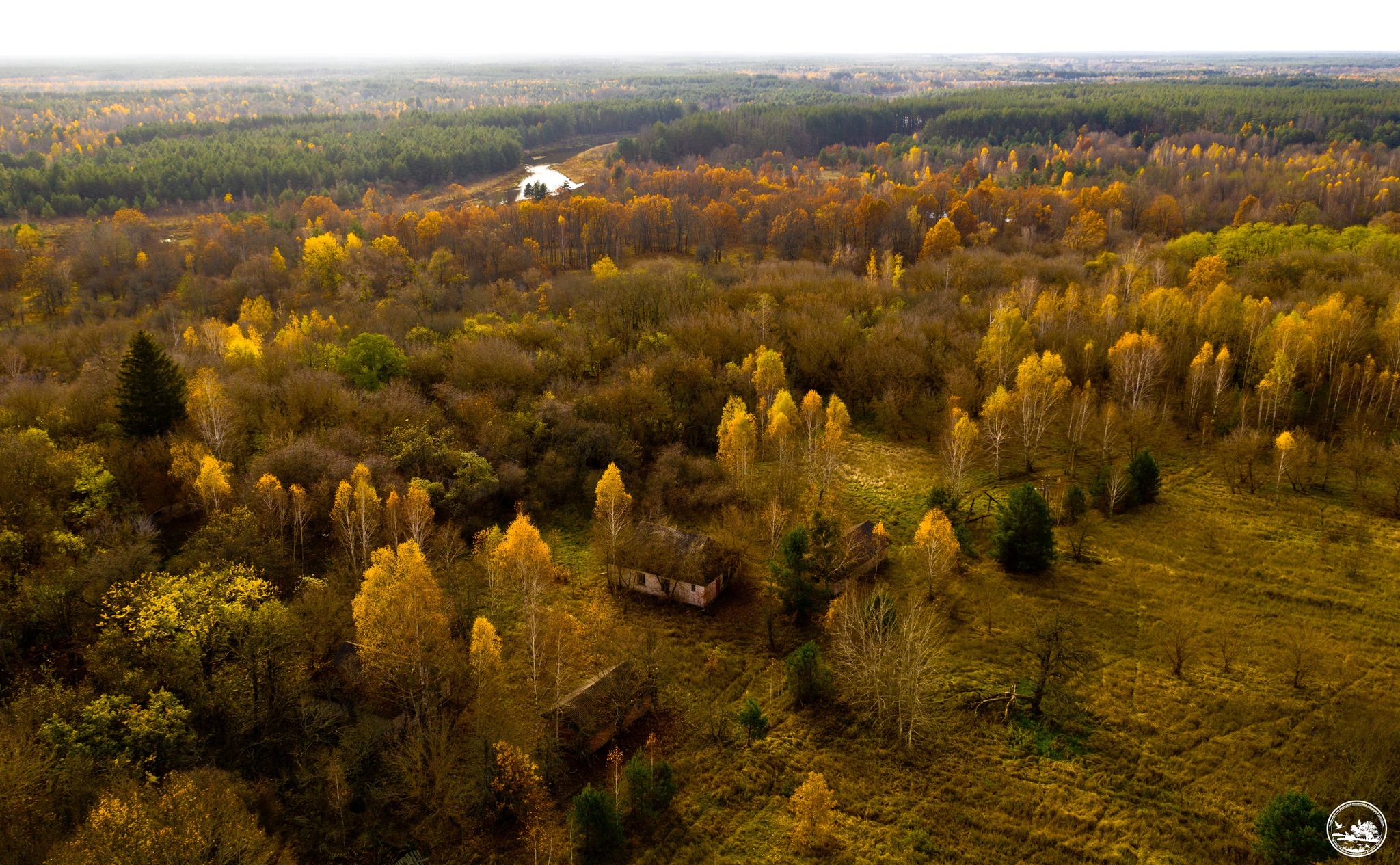
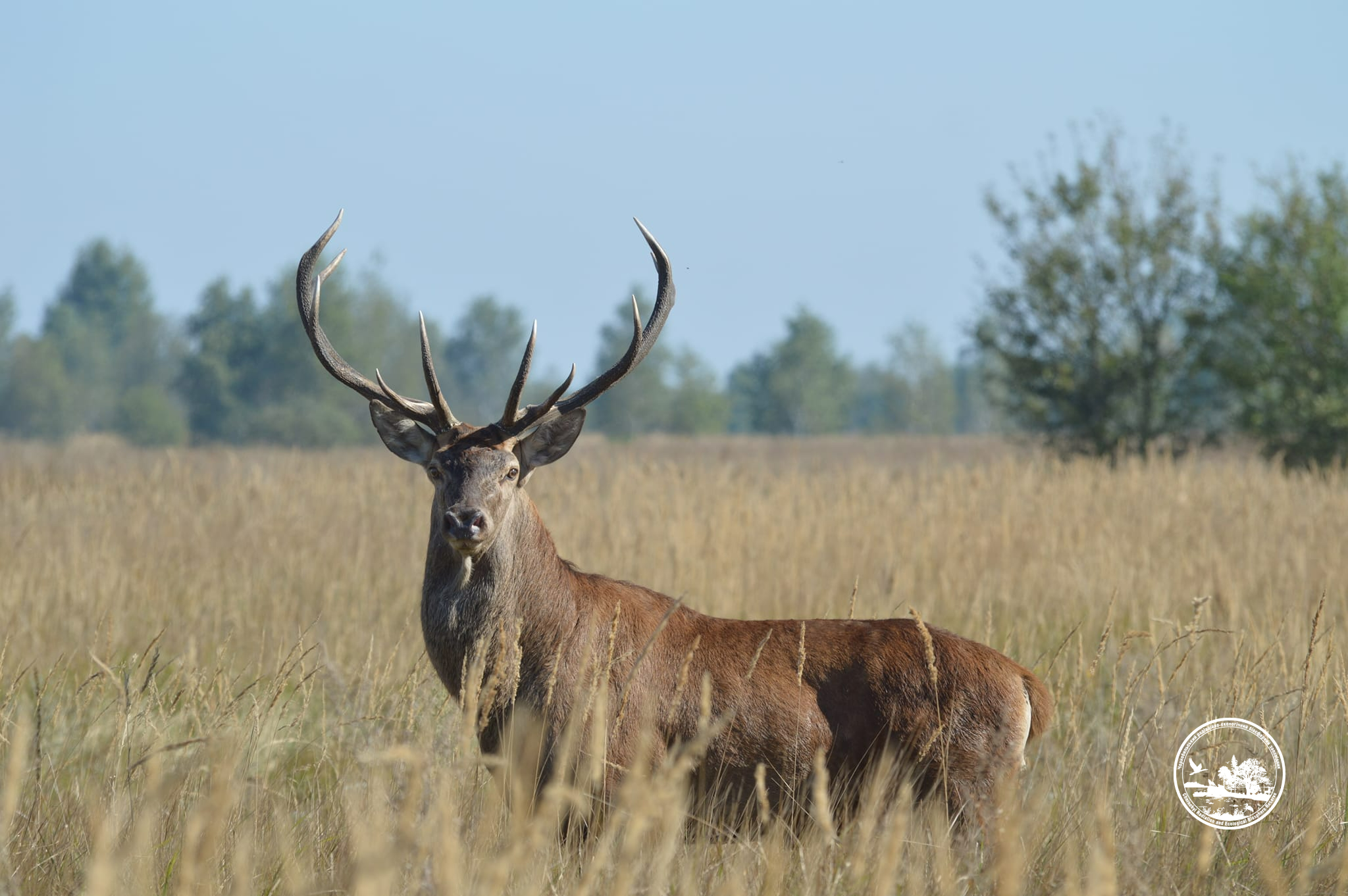
With human activity almost removed, forests expanded across roads, fields and streets. Today, the Zone functions as one of Europe's largest unintended wildlife refuges.
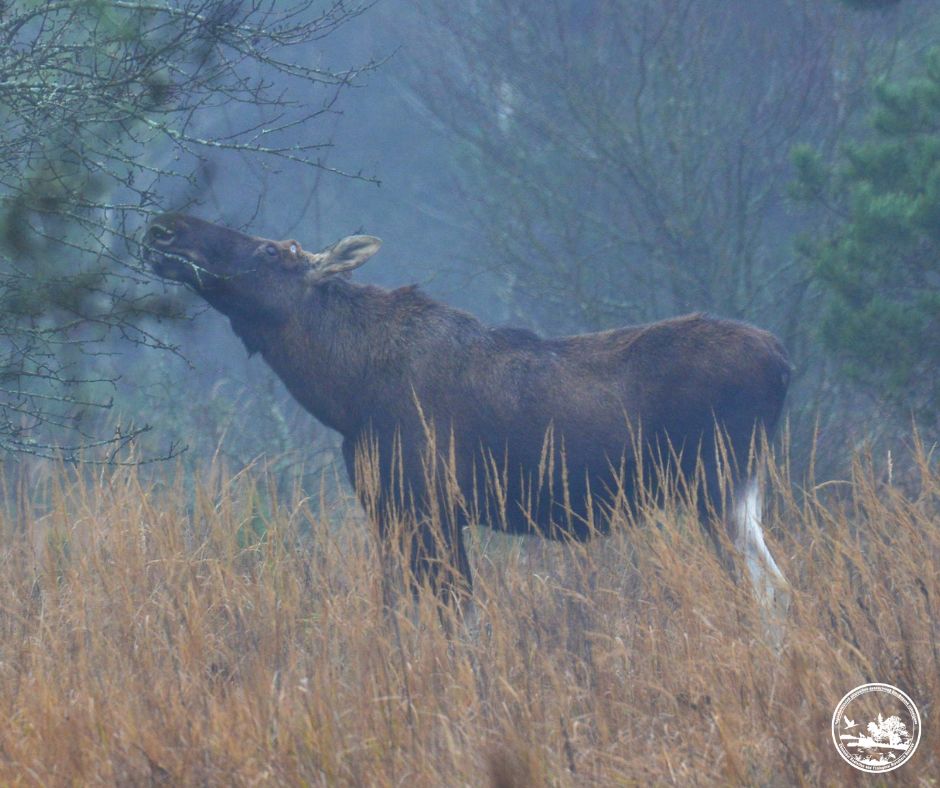
Researchers have documented wolves, lynx, moose, wild boar, deer and brown bears across the territory. Bird species, including black storks and white-tailed eagles, have established habitats in forests and wetlands.
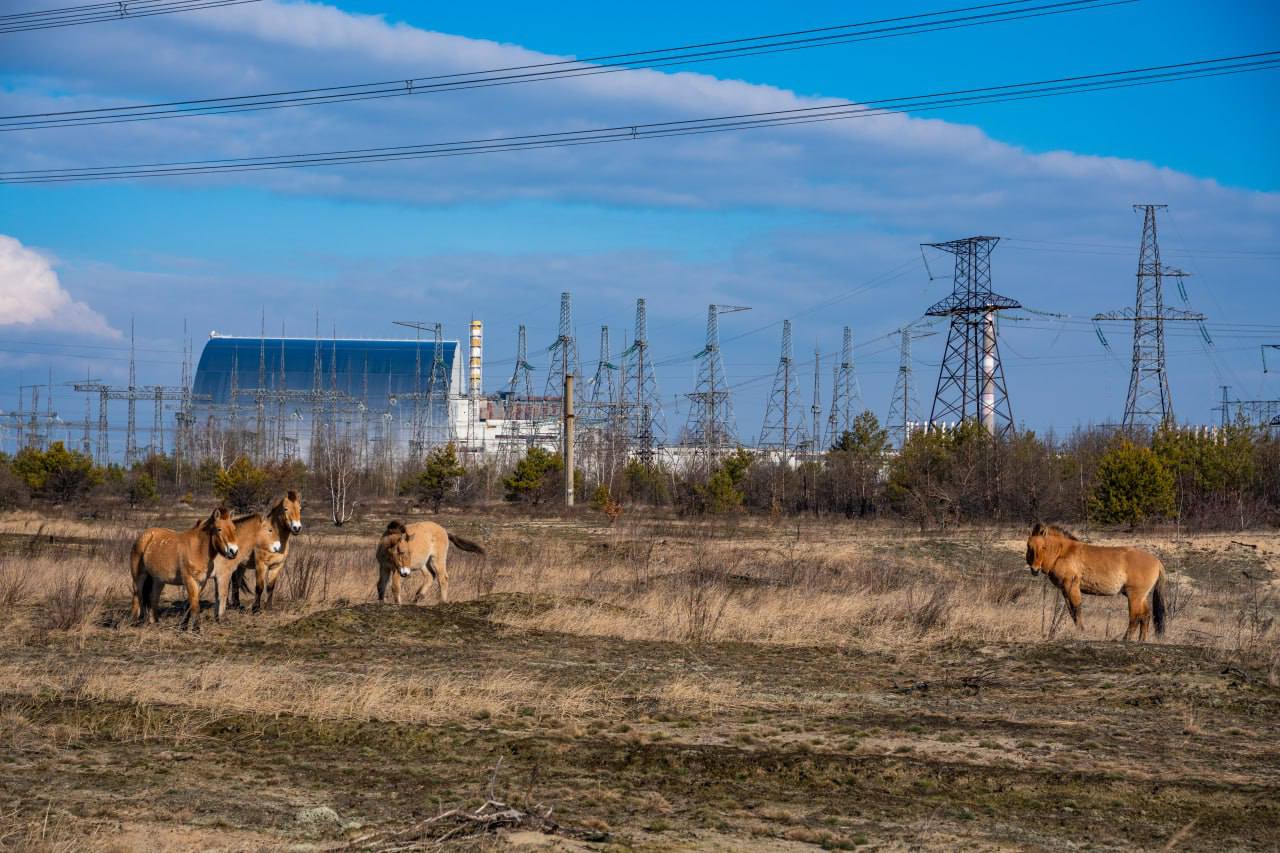
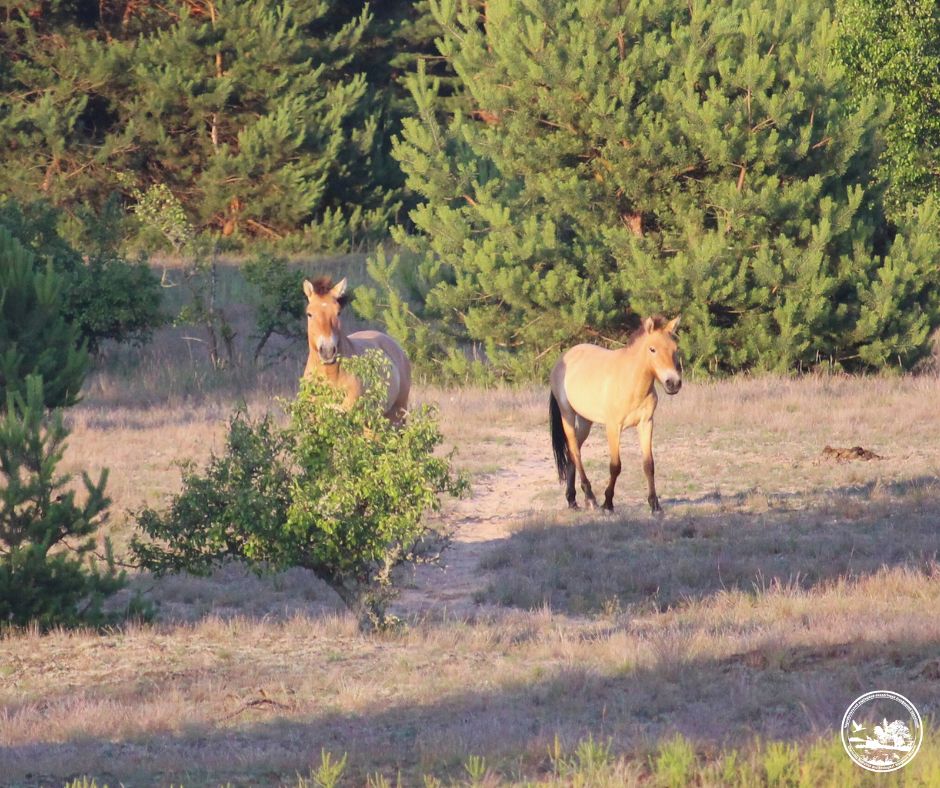
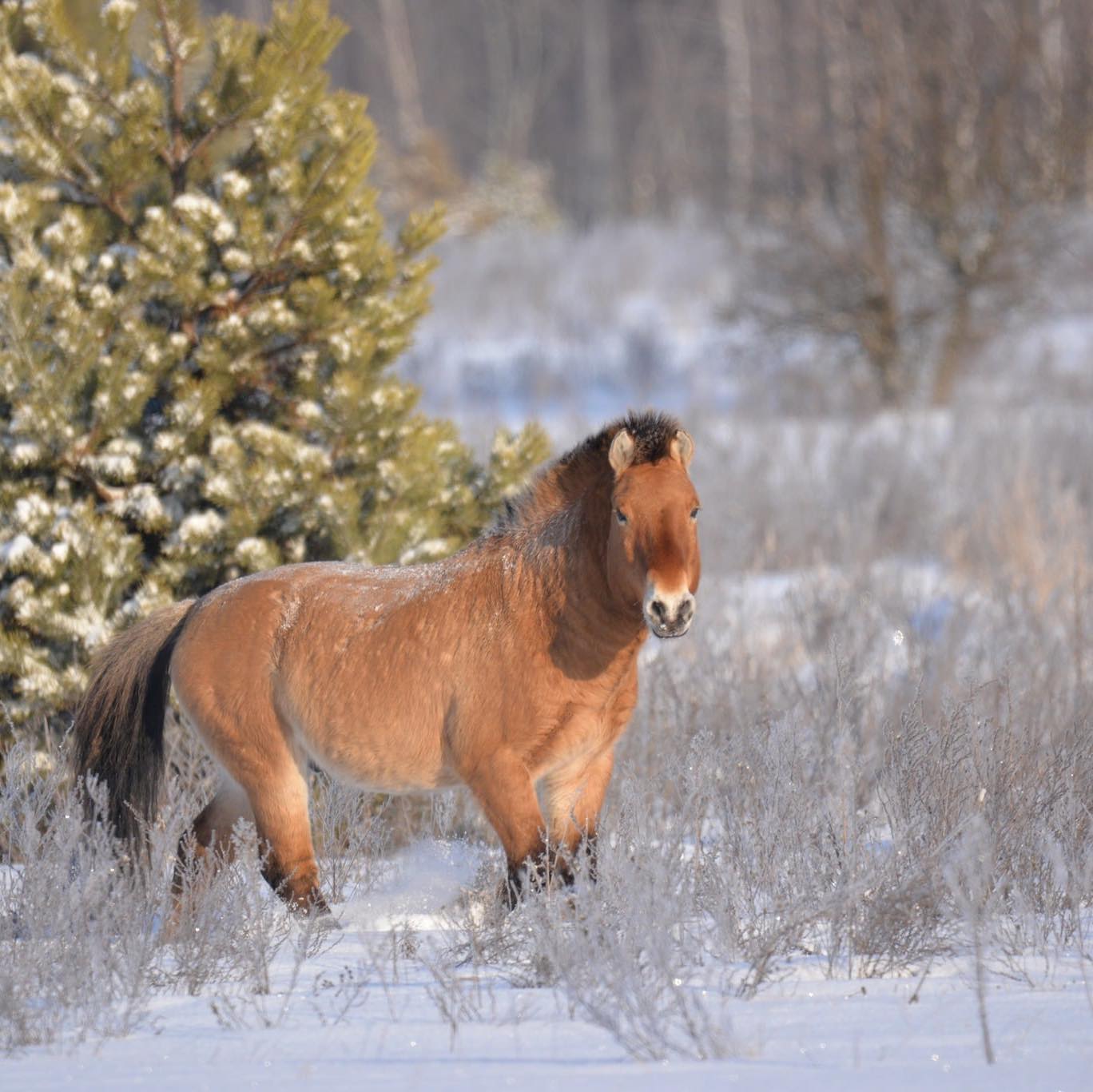
Among the most notable species are Przewalski's horses - moved here in the late 1990s as part of a conservation effort, the horses adapted successfully to the environment and now roam freely through parts of the Zone.

Among the lighter lore of the Zone is the myth of Chornobyl's giant catfish,which lived in the cooling pond built to service the reactors. For years, visitors arriving at the site were often told stories about enormous fish living beneath the surface, this way, giant catfish became one of Chornobyl's most recognisable myths.
Some reports described fish over 1.5 meters long, fueling speculation about radiation-induced mutations. In reality, scientists explain that fishing was prohibited, predators were limited and plant workers sometimes fed the fish over many years, so catfish simply lived longer and grew larger than usual.
After the final reactor at Chornobyl was shut down in 2000, fish populations changed and sightings of unusually large catfish became increasingly rare.
Though scientists still debate whether reduced human interference may outweigh the long-term ecological costs of radiation, or whether radiation still has an impact, as mutations, reproductive challenges, insect population decline and genetic changes have been observed in heavily contaminated areas.
However, many agree on this: nature has not erased the disaster, it has simply learned to live alongside it.
For many people around the world, Chornobyl represents a warning about technology and catastrophe. For Ukraine, it is also a place tied to loss, pain and resilience.
It is a page of our history that's not only about radiation, but also about a system that failed, people who paid the price and landscapes that continue to carry the burden decades later.
Chornobyl is one of the places on our planet where we should give nature a chance to heal itself at its own pace, while carefully monitoring for possible threats to prevent a new disaster.
The Exclusion Zone was well on its way to recovery - until it was brutally interrupted. To learn more about this, read our analysis Chornobyl Was Healing. Then Russia invaded , marking the 40th anniversary of the nuclear catastrophe in 1986.
We also encourage you to visit the following pages:
Chornobyl Radiation and Ecological Biosphere Reserve
State Agency of Ukraine for the Management of the Exclusion Zone
This publication was compiled with the support of the International Renaissance Foundation. It's content is the exclusive responsibility of the authors and does not necessarily reflect the views of the International Renaissance Foundation.


