

Kateryna Yehorushkina is a Ukrainian writer, a member of PEN Ukraine and the All-Ukrainian Art Therapy Association. She is the author of more than twenty books for children and adults, with rights sold to twelve countries, including the USA, the UK, Denmark, Sweden, Poland, Lithuania, and Finland, among others. Her books have received a number of awards and honors, including the Peter Pan Prize (Sweden, 2024), a win in the "TOP BaraBooka" rating (2023), and two finalist placements for the BBC Book of the Year Award (2022, 2023). In 2023, Kateryna's poetry won the European contest "Poems of Liberty: Human Rights in Inhumane War."
What does it mean to be a writer in wartime? In this interview, Kateryna reflects on her experience of the full-scale invasion, the search for a space of freedom while working through intergenerational trauma, her new nonfiction book "And Then Our House Became a Ship: Stories About the Emotional Legacy of the War", and ways to talk to children about painful subjects.
I met the start of the invasion in Vyshhorod. I woke up from explosions, from the feeling of vibration, and realized that one of my poems was starting to come true: a poem I had written exactly a year earlier, about a giantess who carries an entire house with her — the whole feeling of home, along with its smells and the view outside the window — and explains this to children.
For a long time I couldn't decide what to do. Outside the window were Russian helicopters, and I was freezing up. That's my characteristic reaction to stress. There were no train tickets. I opened the nightstand and took out a small stack of letters written by my grandmother's beloved, Andriy, during World War II, as he was heading off to the front. My grandmother Tania left these letters to me. I carried them with me through all my many rented apartments. And then, when I finally had a place of my own, I had to flee it, letters in hand. In those yellowed bundles there was so much about tenderness, about love, about how senseless war is, how it devours youth and beauty, about trains rushing off into the unknown. In these letters, my grandmother appeared nothing like the woman I knew. I remembered her as a rather harsh person, accustomed to dismissing other people's emotions and feelings. She was wired for survival — she never threw out food, even when it started to spoil, a habit shaped by the Holodomor as well. She always kept stockpiles of everything, which before her death she tried to give away, but no one wanted them. I remember how she wanted to give me her fur coat (a genuine treasure to her!), but it didn't suit a young girl at all.
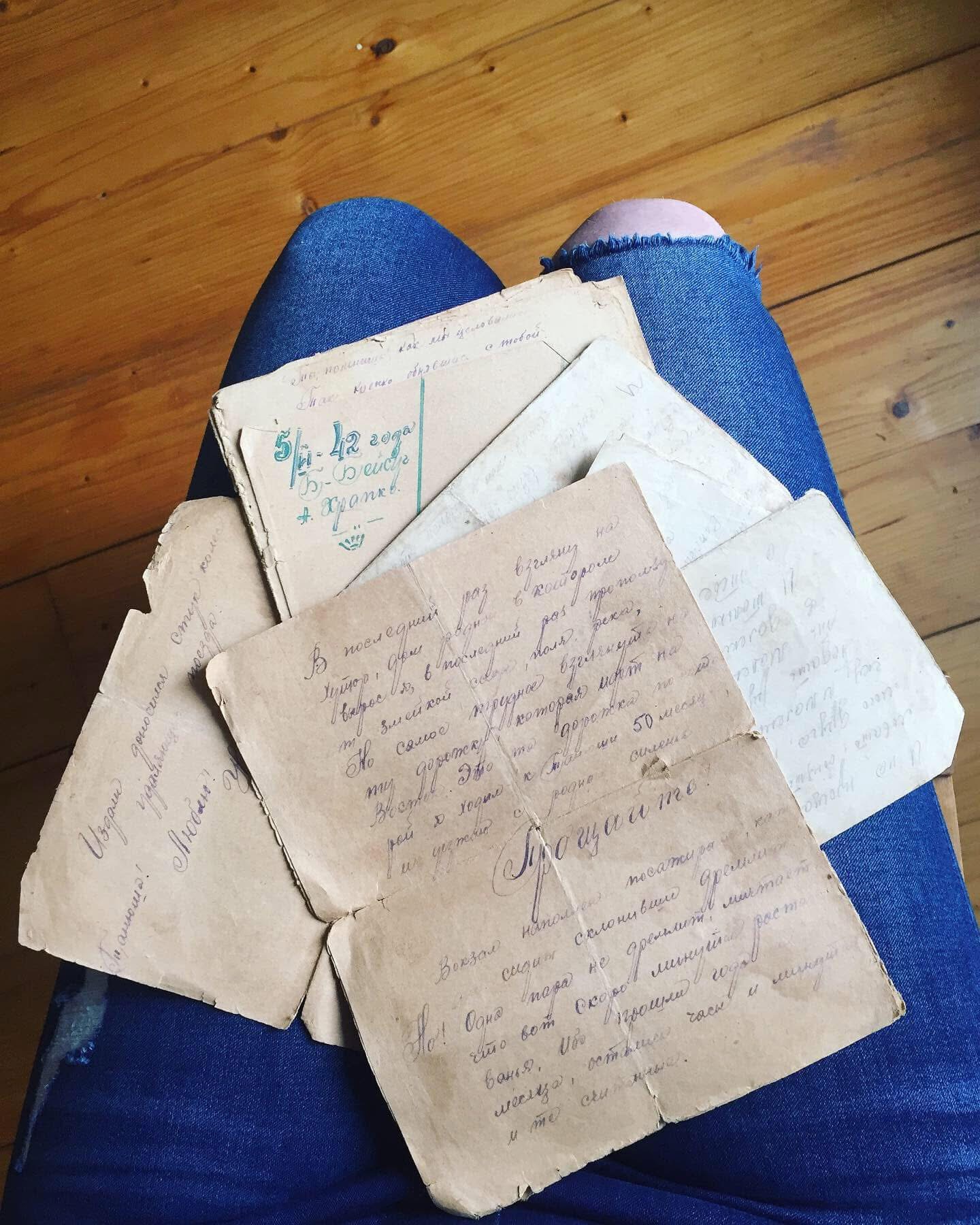
Reading the letters that day, I thought: can we influence how war and trauma change us? In my grandmother's time there wasn't nearly as much information or access to support; you had to survive right away, build a protective shell, and become a person reduced to a set of functions (and Soviet regime didn't encourage anything more — those capable of asking questions were met with repression). Part of the family died, and the state took the land, the garden, and the whole large household. My grandmother couldn't get a higher education because she didn't even have shoes to travel into the city. She held various jobs, had two civil marriages, two children — but she went on loving Andriy until the end of her days. She commissioned two portraits: one of herself, young, and one of her beloved. Wherever she moved, she hung these portraits above her bed, and told the men in her life that he was her brother.
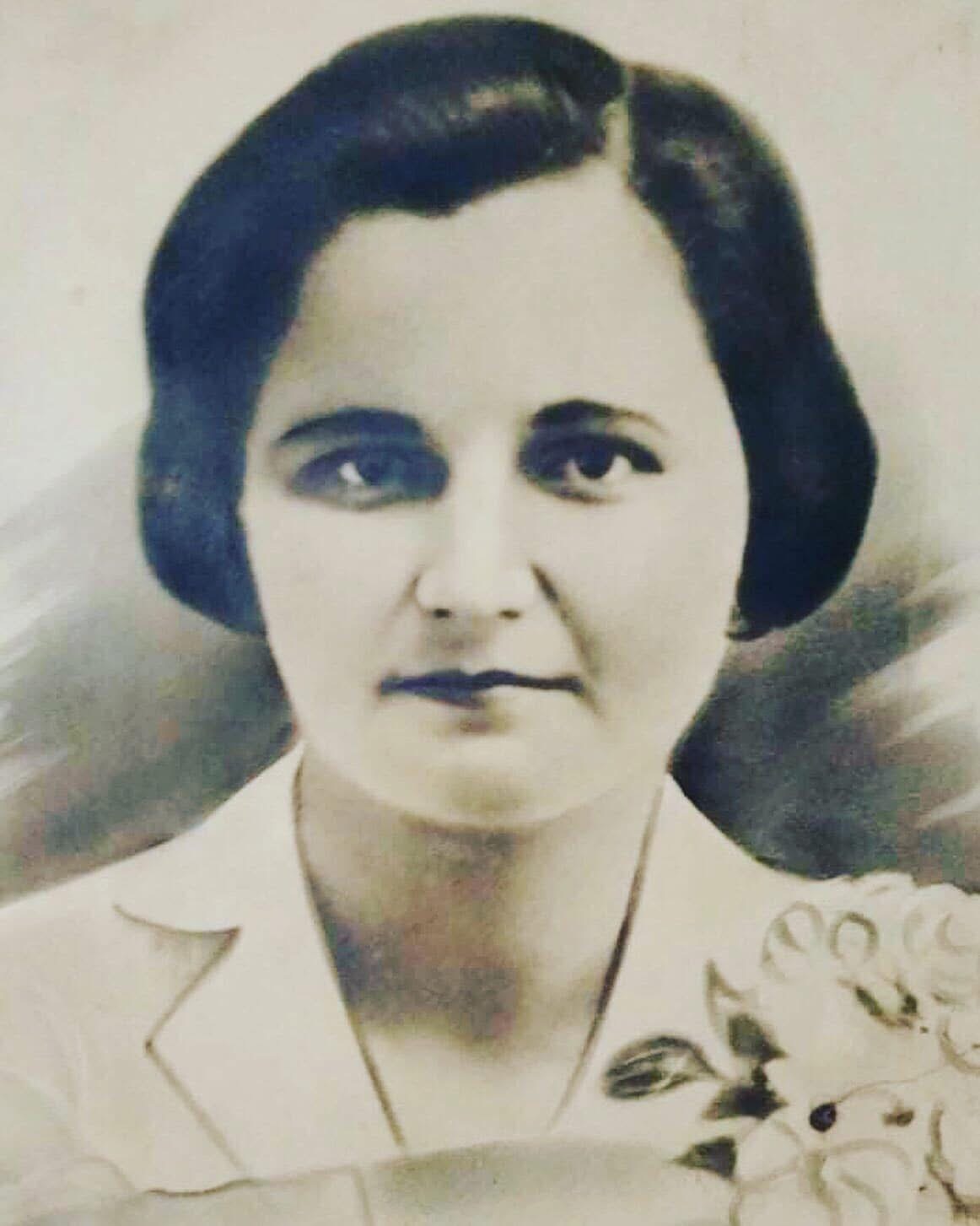
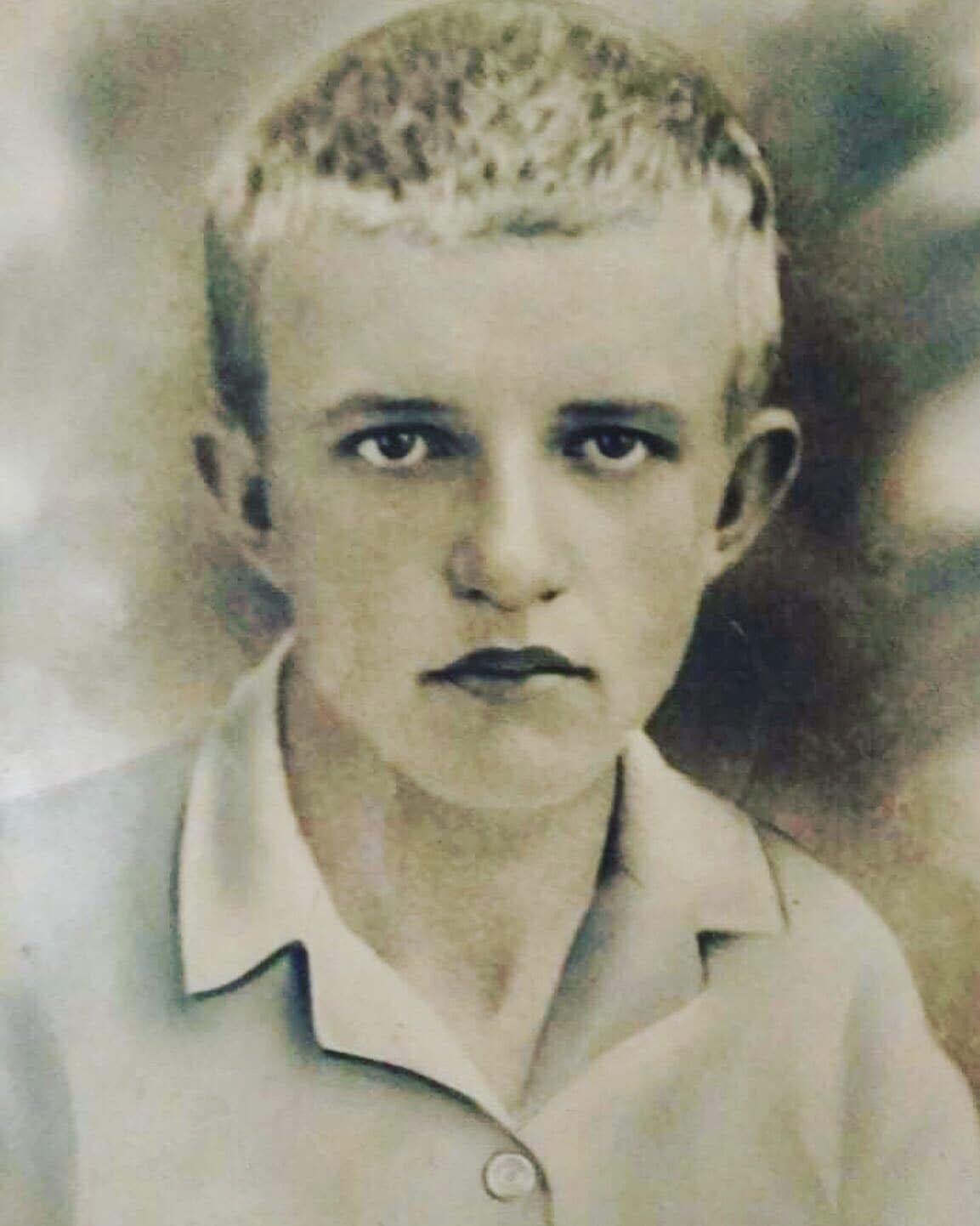
Officially, her beloved was considered missing in action. At one point he had told her that if he were maimed, he wouldn't come back, so as not to become a burden. And she hoped that meant he had only been wounded. She waited for him her whole life, never officially married. When my grandmother was 85 and dying, she found comfort in the thought that she would finally be reunited with her one true love. She carried that love through her entire life. I understand that, to a large extent, this was a youthful idealization.
And yet, I suspect my grandmother wanted to remember herself exactly as she was then — her pre-war image was deeply precious to her. I think the war destroyed something essential in her, and through the memory of her beloved, she was trying to restore that lost part of herself.
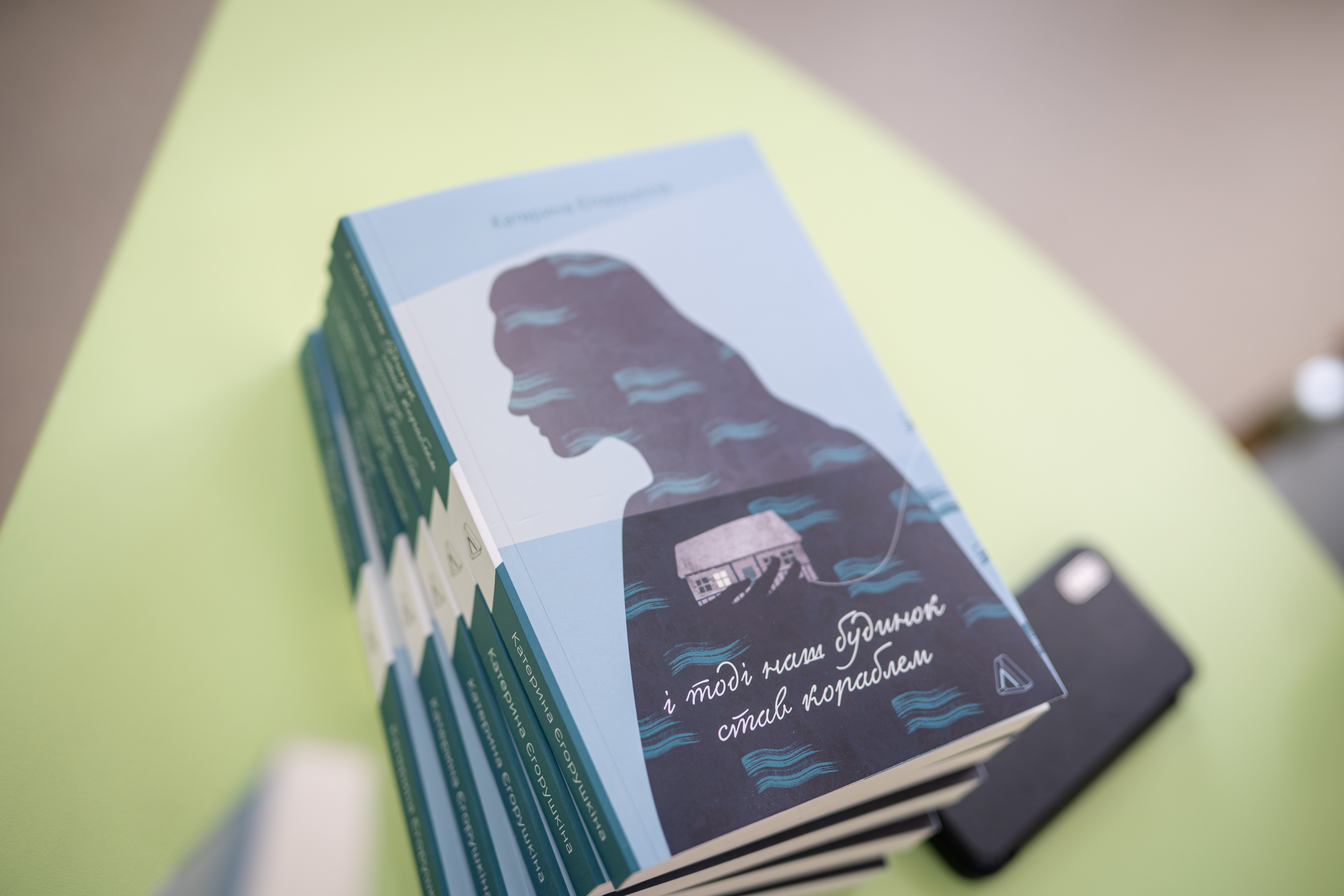
"And Then Our House Became a Ship: Stories About the Emotional Legacy of the War" is a nonfiction book by Kateryna Yehorushkina, published in 2026 by Laboratory. Over the course of three years, Kateryna collected unique testimonies from Ukrainians about the war and worked through them to create a book that weaves together literary reportage, essays, and diary entries.
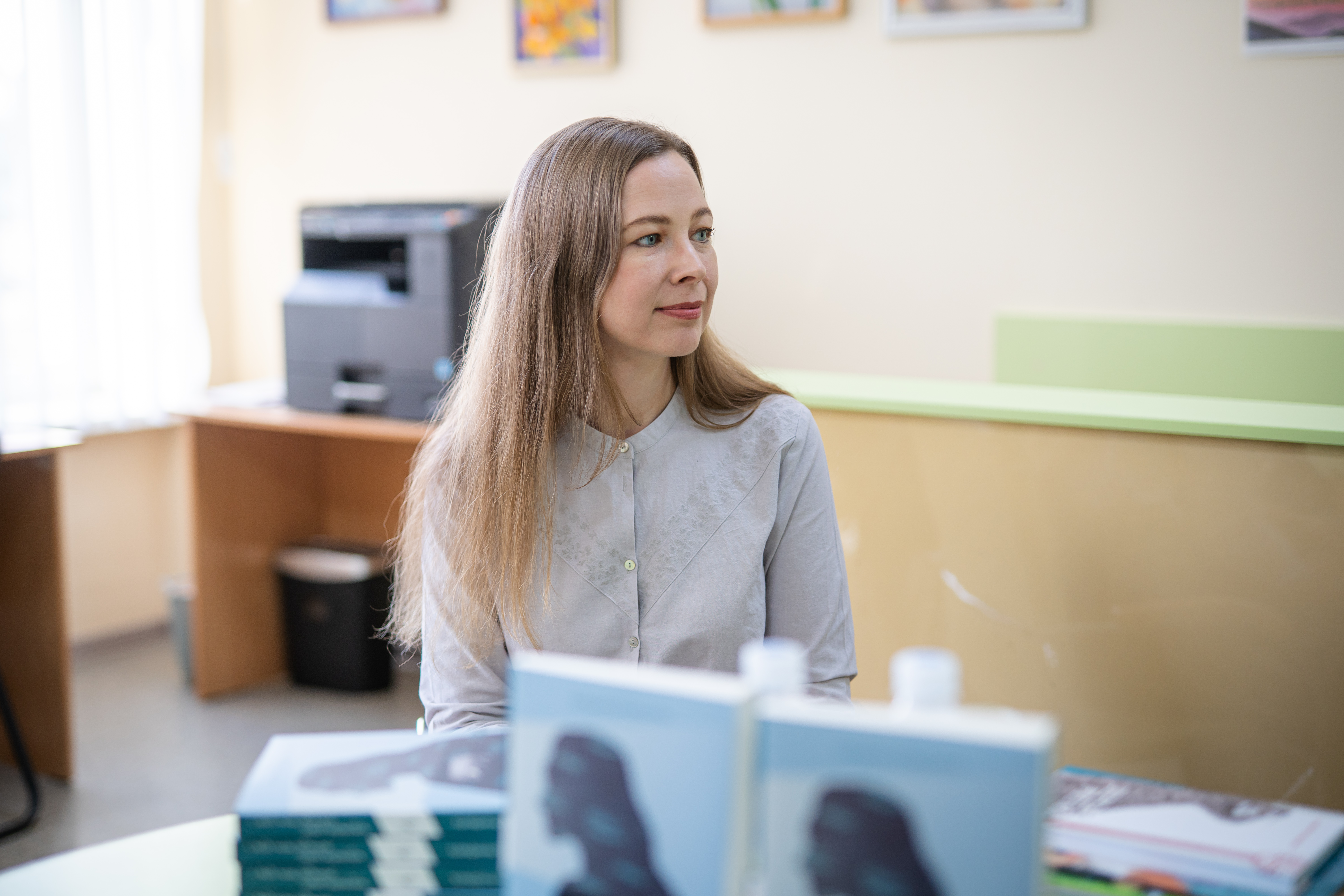
*My grandmother's story is one of the key ones that raised a question for me: "How will all of this affect us? Where is our space of freedom within it?" My grandmother, for instance, lived under the influence of her World War II trauma. In those days, she was looking forward to her school graduation, but war came instead. After that, my grandmother always — on holidays, or whenever something good happened — braced herself for something bad. That's when I started thinking about this space of freedom, about the emotional legacy we leave behind. And about how traumatic events shape the behavior not only of the person who lived through them, but of the generations to come, forming intergenerational trauma. If we don't become aware of it, it narrows our space of freedom — we act according to restrictive patterns instead of our true dreams. I started exploring this question and realized that my stories and my grandmother's stories were just the starting push. Then other people's stories began to be added, each with their own answers to these questions. Civilians, military personnel, children, adults — Ukrainians living on the front line, in occupied territories, in rear regions, or those who became refugees abroad. Each of them has their own losses and their own zone of responsibility, where they resist circumstances. Out of all the stories I gathered, a certain picture began to emerge of how we can expand our space of freedom. It was important to me to dive into a person's story, to remember the details, to move through that story alongside them. Sometimes I was the first person who truly listened to them from beginning to end, who gave them an empathic space to unfold their story, who honored their experience without a shadow of judgment. Many of us, caught up inside our own stories — often chaotic, unprocessed — tend to think our stories don't matter to anyone. As if to say: go ask someone closer to the front line instead. But that's a trap. Because there, you find either the dead, or those who have already lost the words to describe what they went through, or lost hope that someone with a different experience could understand them. Which effectively means only the dead have the right to speak. But that approach plays right into our enemies' hands and creates a situation where, once again, we lose our voice and others speak for us. That's why I decided to collect these stories — so that we wouldn't lose the chance to be changed by them. At first these were brief testimonies overheard somewhere in lines, on public transport. Later I began deliberately recording interviews with people. Usually this took several hours, and then, months or even a year later, I would return to that person and ask about the changes that had happened to them since. Human stories unfolded over time, and I followed my subjects.*
The title of the book, for example — "And Then Our House Became a Ship" — is a line from one of the stories, about a family that relocated from occupied Donetsk to Bucha. They later bought an old house in Hostomel and began restoring it: Kateryna, her husband Sashko, their children, and their animals. When the Russian invasion began, their house found itself on the battlefield. Our soldiers warned the family that they had anywhere from 15 minutes to 2 hours to gather their things and evacuate. But the fighting started sooner than that. The family went down to the basement. Kateryna described her sensations: first, the feeling of an enclosed space, and then — as if they were on a ship.
She recalled how, underground, they felt swayed as if by waves, and how they held onto the basement walls, speaking to the house as if comforting it, telling it that it was doing well, to hold on, that they loved it. Kateryna addressed the house by name — Liudochka. I asked her: "Who is Liudochka?" Kateryna explained that this was the name of the house's previous owner. Up in the attic, they had found tender, passionate love letters, in which the previous owner's husband addressed his wife with an endearment built on her name. Since the house still held so much of its previous owner's energy, they named it Liudochka. And so Liudochka held steady through the shelling and protected her new owners. When the Russians occupied Hostomel, the family set out on foot for Kyiv. Upon returning, they found part of the house destroyed, so Kateryna and Sashko, together with friends, set about restoring it. About a year after our first interview, I asked Kateryna whether "Liudochka" was still "Liudochka." Kateryna thought about it and said no — because they themselves had become part of the house now, part of this ship. To me, this became a unifying metaphor for all the stories: when we put our own effort into something we once took for granted, it truly becomes ours. Being born in Ukraine — that's our given. But when each of us, in our own way, puts in the effort to protect this shared home-ship, rocked by the waves of war, we come to feel like an inseparable part of it. The house shifts from something static to something dynamic — but in doing so, it starts to feel more like ours. That's how an unconscious given transforms into conscious emotional involvement and a sense of belonging.
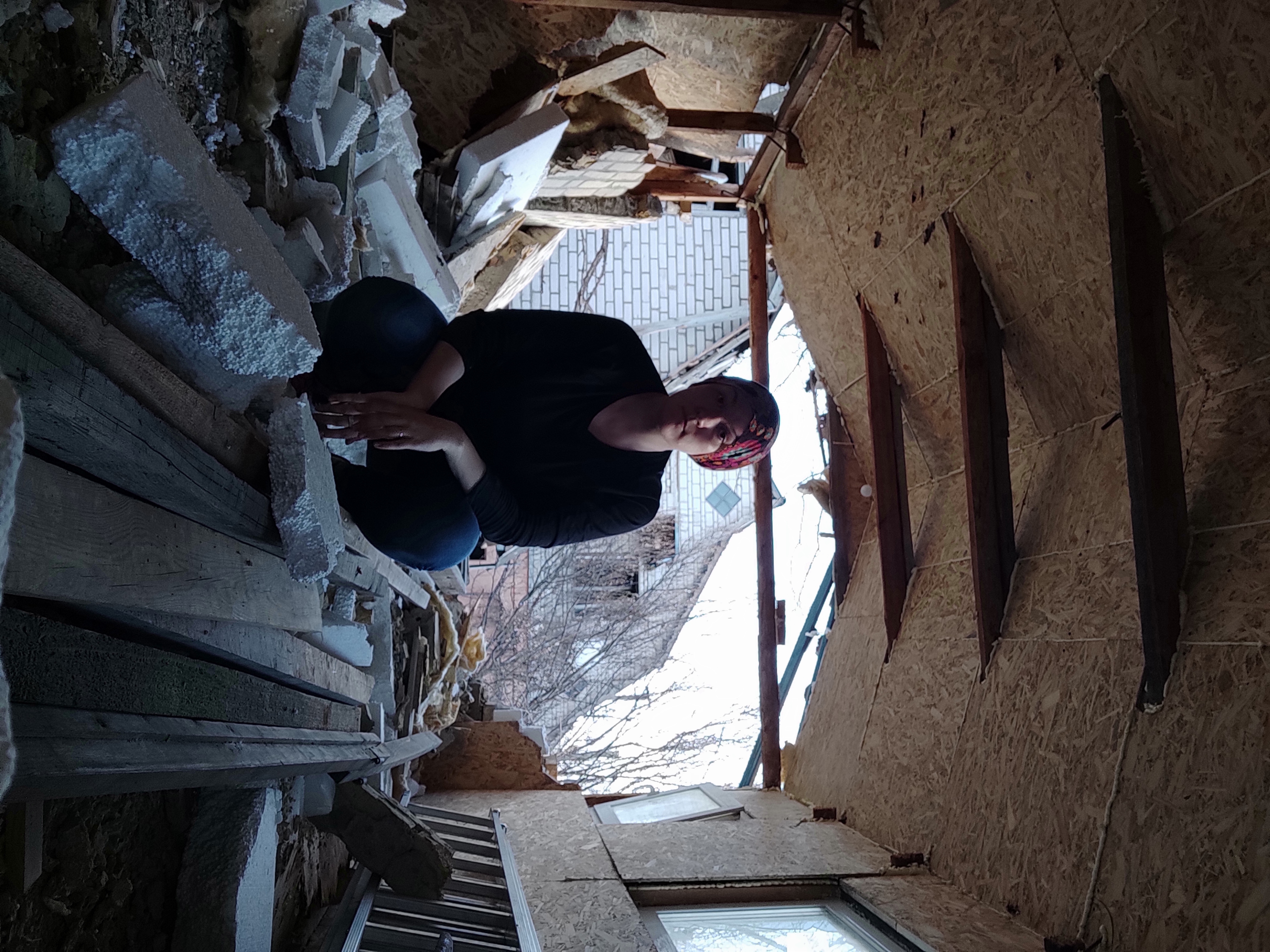
I think the most important thing a book like this can do right now is offer a sense of community, rebuild the fabric of trust, and lead us out of a state of dissociation — the state where we keep postponing our experiences for later: bodily reactions in one place, thoughts and feelings in another, all existing in parallel dimensions.
We keep getting switched off from overload, or losing our connection to ourselves and to others. I tried to build the stories and reflections in such a way that the reader, moving through this difficult path of experience, would overcome that dissociation, restore the links between facts and feelings, and allow themselves to be alive and vulnerable. I feel like we've postponed so much for "after the war" — and not only the joyful things. Unprocessed pain destroys our bodies, our psyches, our relationships. Many people I know, who have been postponing since as far back as 2014, are no longer alive. Young people — mostly volunteers or family members of soldiers — have been receiving terrible diagnoses, one after another. That's why I want us to start working through this emotional legacy now. It takes strength, support, understanding, and at least a drop of a sense of safety. But we cannot allow ourselves to endlessly accumulate pain and break under its weight.
The space of freedom narrows for various reasons. One of them is the effects of intergenerational trauma. I feel its influence on myself. For a long time, I had a fear of self-expression. Since childhood, I was told not to draw attention to myself, to stay quiet, because that was safer. Now I understand why. My grandmother's brother wrote poems against Stalin and disappeared without a trace. Two of my grandmother's little sisters died in the Holodomor. Part of the family was deported to Siberia, and not all of them survived. The "Chornyi Varanok" (The Black Raven") came for my great-grandfather, so he hid in relatives' basement, developed a lung disease, and died young. My grandmother stayed silent about these events almost until the end of her life. Soviet policy forced them to accept that regime, to make peace with it, to become part of it — never acknowledging their own trauma, never connecting cause and effect, as if the losses of the Holodomor sat on one shelf and love for Stalin sat on another. This absence of truth, this absence of trust in oneself and others, is precisely what narrows the space of freedom. For a long time, I didn't allow myself the right to self-expression; I silenced my own voice. But when there are so many stories aching inside you, sooner or later they break through, and you have to work through that emotional legacy, to reclaim your right to sound authentic rather than safe.
That's how a processed story about the Holodomor became the book "The Hope Chest" ("Скриня"), and a story about World War II became the book "The Oven" ("Пічка"). I wrote them primarily for children, to pass on memory without retraumatizing them.
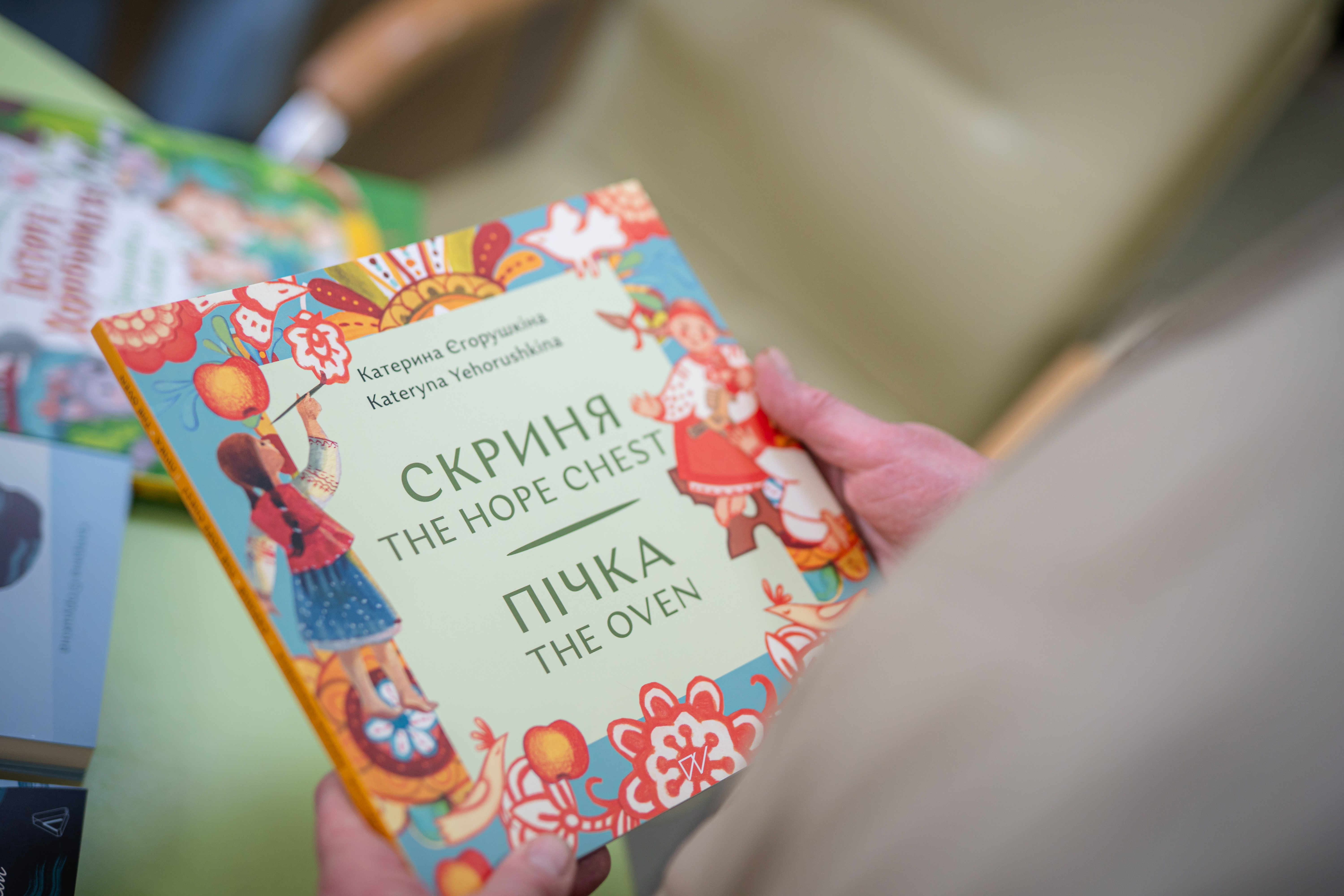
But adults buy these books for themselves too, and they see the layers of meaning I hid behind the metaphors. In my poetry collection "Derevorytmy", I likewise tried to work through various painful subjects, searching for support within myself, in other people, in nature. Because emotional legacy isn't made up only of our traumas, but also of the ways we work through them. The start of the war in 2014 and the full-scale invasion left their mark on my creative work. I devoted the first few years mostly to volunteering, founding the project "Parcels of Kindness" for the children of fallen Ukrainian defenders. Later, the question arose: "Am I someone who has the right to speak?" Many of my texts wouldn't have come into being without the support of friends and readers. They told me that my poems name what there aren't words for, that they allow people to live through it, to cry it out, and to move on. So, in trying to expand my own space of freedom, you end up, in some way, granting that same permission to others. The prohibition on voice and visibility is also part of the war. This isn't only about external freedom, but internal freedom too. The Executed Renaissance was the physical destruction of artists by Stalin's regime, and Putin is continuing that same work now, killing my colleagues. But when we fall silent, refusing to let ourselves speak out of survivor's guilt, that's when the Russians speak for us instead — publishing books about us in our place, spreading their own narratives.
I wrote my first children's books before I was a mother myself. They were full of light, ease, kindness. I suppose I wanted to give my inner child the stories she'd been missing in her own childhood, and to share them with the world. But over time, I began taking on very painful subjects: loss, war, genocide, forced migration. To speak about these things, you need real experience of close, sensitive communication with children, an understanding of child psychology not just in theory but in practice. Finding words that are honest but won't traumatize, offering support to the young reader — that matters deeply to me. To some extent, the same holds true for my books for adults. Of course, every person needs that support in their own individual measure. There's no way to calculate it precisely. Sometimes I "wrap" the most painful moments in metaphor, so that they unfold only as the reader is ready for them. For instance, adults reading my children's book about the Holodomor, "The Hope Chest", often cry — children usually don't. The book includes an appendix with notes from a historian and a psychologist. In this way, we try to approach the subject from several angles at once, so that children understand the context, the causes, the consequences, and don't come away feeling powerless.
When approaching a difficult subject, a writer has to draw on their own vitality, and allow themselves and others to keep multiplying it.
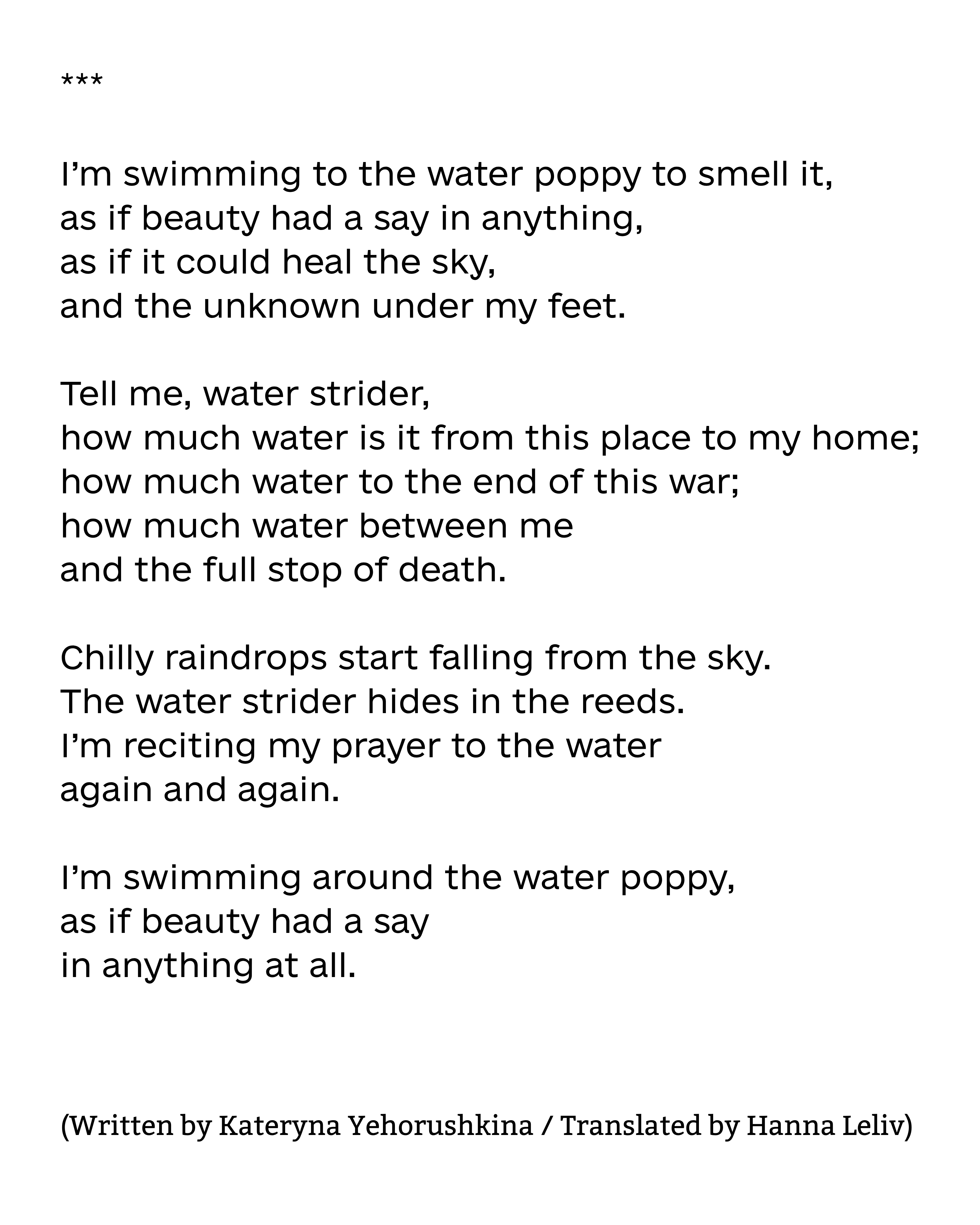
Children can sense whether they can rely on the vitality of the adult beside them. When we talk about death, we also need to notice the blossoming and beauty of life — the fabric of love, woven from many colors and shades. And if there's enough of that vitality, it will outweigh everything else. A life story becomes rich enough that death isn't a period, but a comma — the person and their work go on living in those who loved them.
I wrote this book in the first weeks of the full-scale invasion. My daughter Darynka, who was 8 at the time, started asking me questions about the war. I remember how deeply she was struck by something she saw on television — empty baby strollers, part of an action in Lviv commemorating the children killed in the first weeks of the full-scale Russian invasion. It was out of these conversations with my daughter that "The Holiday I Had to Take" began. It's about real events our children lived through. Instead of the usual spring break, which normally falls at the end of March, our government granted children a forced break for evacuation, to save their lives. Many moments in the book are fragments from the life of my own family, and of our friends and acquaintances. I packaged this reality into a fictional story — the diary of an invented girl named Vira, who, day by day, from February 23rd through the end of that forced two-week break, tells us about her life.
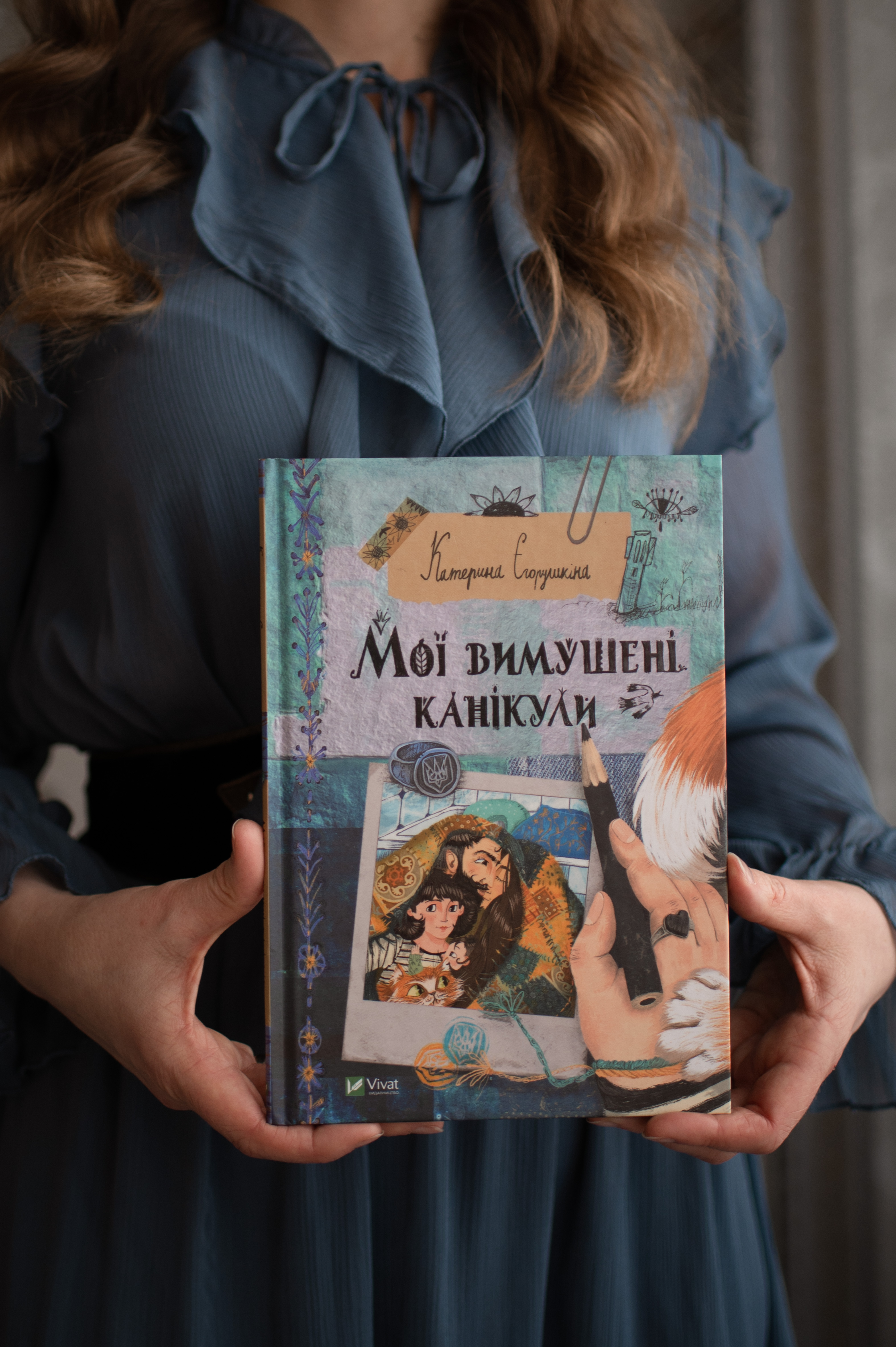
The book has been translated into six languages, with a seventh — German — underway this year. One of its most recognizable moments is the Minecraft episode, in which the children rebuild the Mriya aircraft. That, too, is a real episode from our own life. When my daughter missed her friends, who were scattered across different countries, they'd get on a call together and play Minecraft. The children decided to rebuild what the Russians had destroyed — including the largest aircraft in the world. To me, this feels like a symbolic moment: a child has very limited power to influence the events of war, but through play, through imagination, they try to at least emotionally process that experience and find a way to cope with the feeling of powerlessness. I think one of the book's goals is to help overcome the feeling of loneliness. I remember, after one presentation, a teenage girl who had lived through the occupation of Bucha came up to me, hugged me, and said, "Thank you for writing a book about me." I had never met that girl before.
"The Holiday I Had to Take" made the shortlist for best children's book of the year according to the BBC, along with several other top lists. The Swedish edition of the book won the Peter Pan Prize. In several countries, including Denmark, Sweden, and Bulgaria, the book has been made bilingual, so that Ukrainian children studying abroad can read it in their native language. I remember, after a book presentation in Lithuania, a Lithuanian girl came up to me and said: "Now I understand my Ukrainian classmates better." I think this edition helps ease the sense of isolation — not only for our children abroad, but here in Ukraine too. Sometimes parents don't want to talk to their children about the war, reasoning that we're already living directly inside it. But in my view, children need conversations beyond just their classmates, and beyond just lessons on the subject. Children often crave genuine, living connection with people who can share their emotions and feelings, and give them something to hold onto as they process this experience.
It's very hard to dream and build a future for yourself when you don't know whether that future will actually come. It's in children's nature to dream. Even if your dreams and plans keep changing, that's normal. But it's important to hold onto the very capacity to look at the future in a positive light. Sadly, many Ukrainian children have already lost their homes, relatives, friends, familiar surroundings, and even their language. Many of our children are living under occupation; many Russian-speaking Ukrainian children left the country before they'd had the chance to learn Ukrainian. Sometimes neither their parents nor our state support or nurture the Ukrainian identity of our children abroad. That's how a child loses their sense of belonging, their national identity. And that, too, is a factor of loneliness, of isolation. I know families who came back from abroad, even to the Kharkiv region, because that sense of belonging mattered more to them than physical safety.
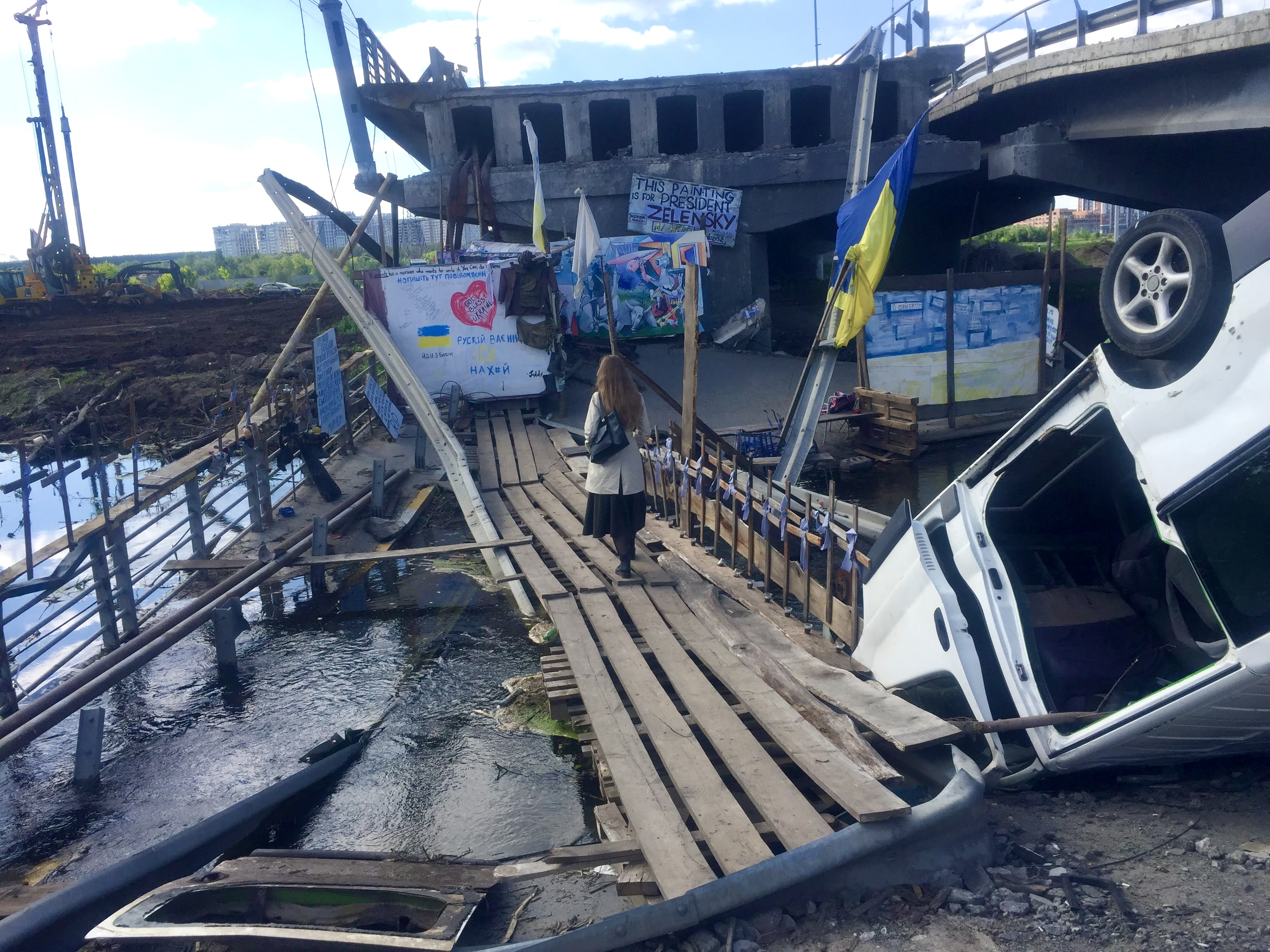
Trips with PEN Ukraine, or other volunteer trips, are also an attempt to restore that sense of connection and belonging — to feel the people in different regions and tie them together with threads. Threads of better understanding and gratitude. It seems to me that many of us who were born in the Soviet Union or in the '90s lacked positive visibility. We were often criticized, our smallest mistakes noticed, and very rarely truly listened to or seen. During volunteer trips, we listen to people who lived through occupation, who resisted, who saved their neighbors or saved books from destruction — we bear witness to their experiences, we give them new books, and we thank them.
The closer to war, the more grown-up children become. Their outlook grows older, often more pained. These are the eyes of children who have already grown disillusioned in many ways, and who may not have had adults nearby to help them get through this experience while still remaining children.
I think one of the tasks for adults right now is not just to survive, but to support children while staying within the field of shared human values, without sliding into cynicism. War is quite cynical by nature — it exposes a lot of dirty, painful things — but adults who have lost their faith in humanity end up stripping that faith from their children too.
Children of war are often too obedient, so as not to burden their parents with the full range of their emotions. Sometimes they take on responsibility for their parents' emotional state, and a reversal of roles occurs — parentification. Children comfort their parents during shelling, take care of younger family members. On one hand, parents can be proud of such responsible children, but this role reversal comes at a cost: the child becomes a battery for the adults and has no strength left for their own childhood. The situation is even harder in institutions, where children of war are raised without their parents' involvement. You see a mixture of pain and childishness there that makes your heart tighten.
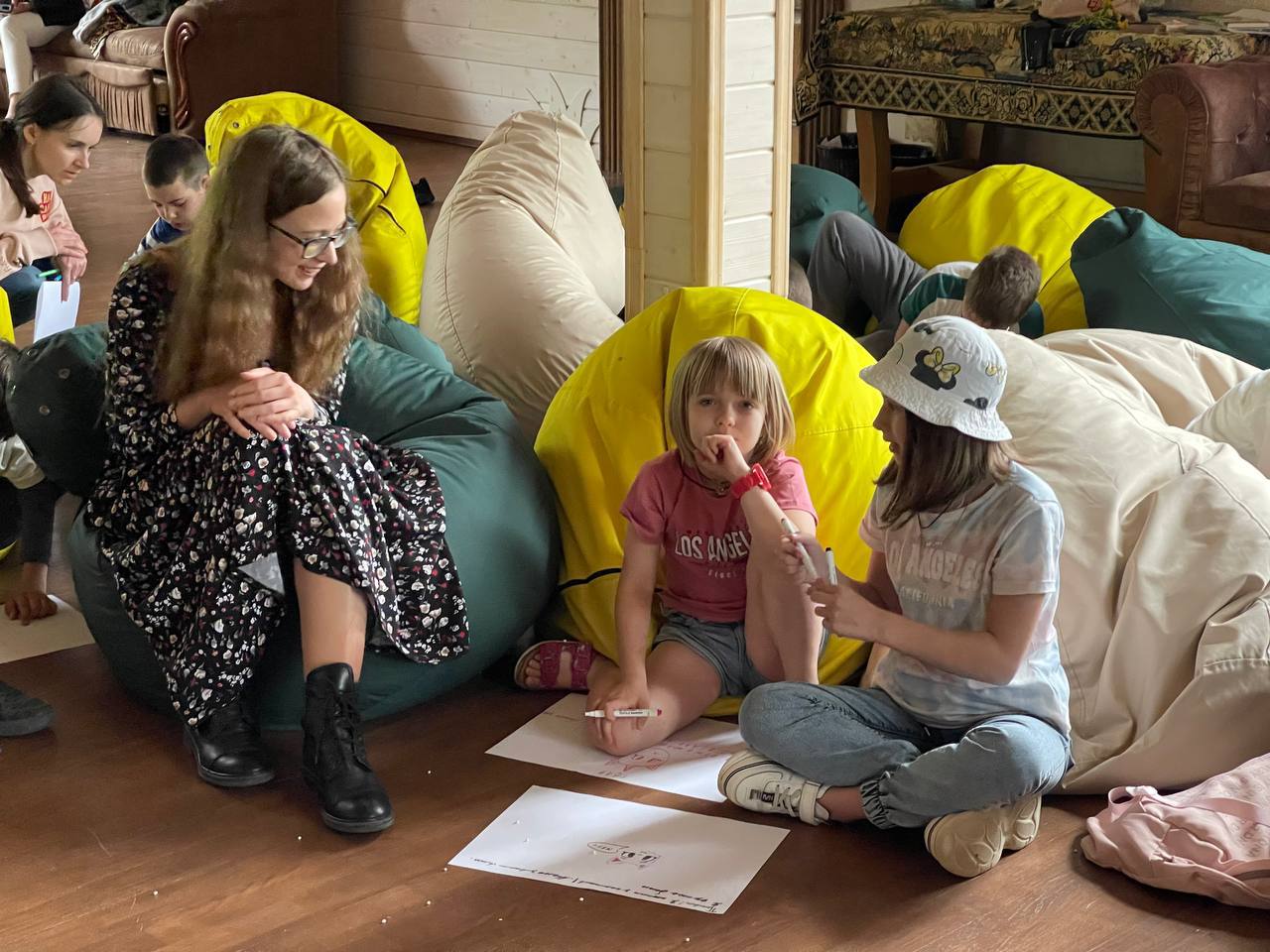
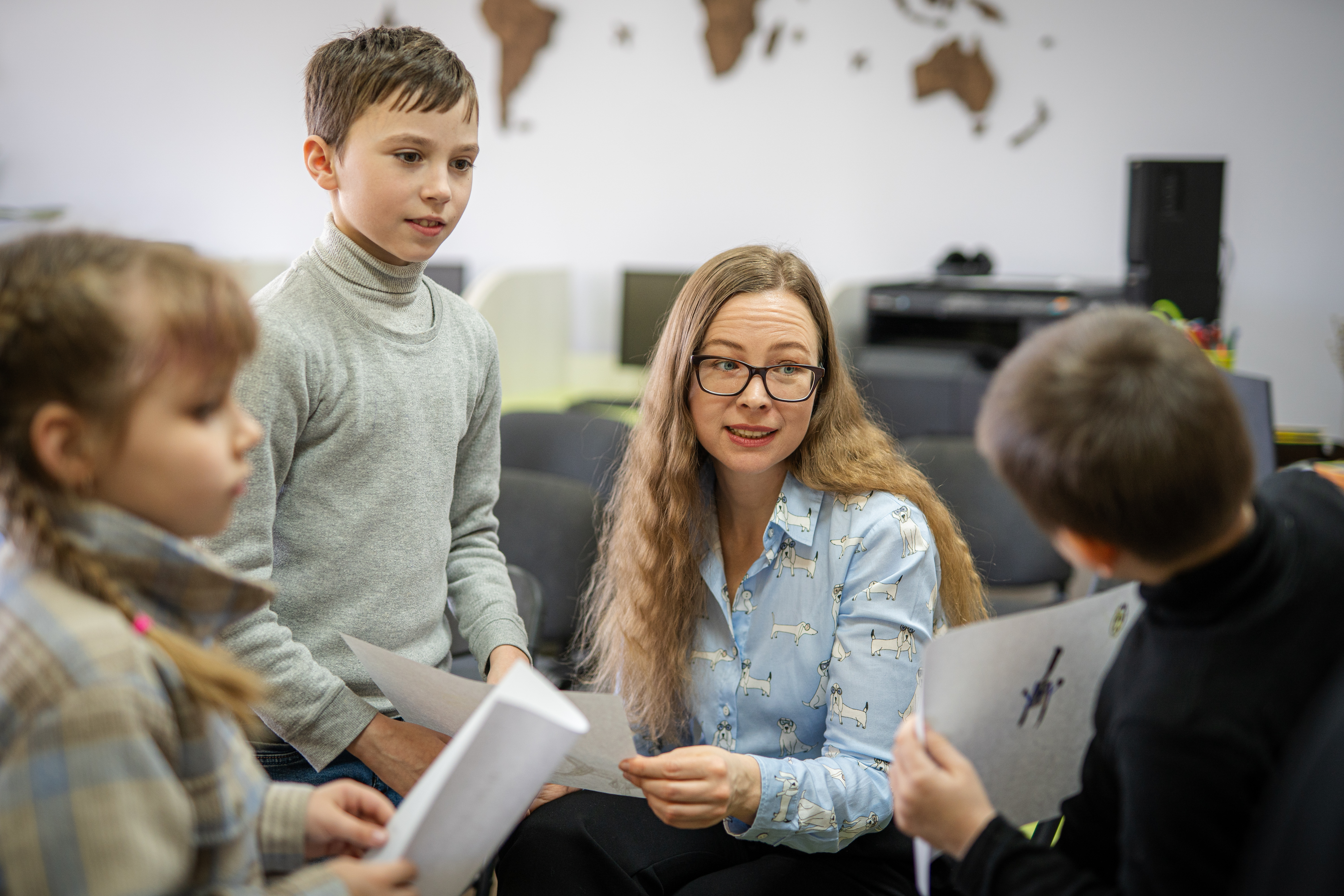
During volunteer trips, I try to work with such children through books, stories, and art therapy — giving them a safe space for self-expression. In children's artwork, we can see a great deal: their fears, their dreams, their ways of coping with hardship. Sometimes — only fears, with no dreams. It's important to talk with children by getting down to their eye level. It's important that, through art, a child can bring their feelings into the open, and that an adult can help give those feelings meaning.
Being a writer in wartime means carrying the responsibility not only to voice your own stories, but the stories entrusted to you by others. It means never placing the story above the person, never appropriating someone else's experience to make a name for yourself, but instead making room for it. Only then will the stories not fade — and the witnesses, by putting their experience into words, can structure it, integrate it into the present, and move closer to post-traumatic growth. If we never learn these stories, they will die along with the people who carry them, or even sooner, because memory erodes quickly, gets rewritten, reinterpreted. Even now, if we asked people about the events of 2022, they would already remember them differently.Every story helps us see things from a different angle, reflect on our own inner chaos, and make room for living memory.
We come to know how others managed to cope with the challenges of war, how they found meaning and something to hold onto, how their emotional legacy took shape. By bearing witness to other people's stories, we send a signal: your suffering was not in vain, we will remember you, we are grateful that you found the strength within yourself to resist.
In a certain sense, I'm deeply driven by a sense of finiteness, of death. The feeling of a beauty you can barely bear, and the feeling that this beauty, too, will die — that is what saves me from procrastination. Writing is my way of holding on to beauty in this world, and making sure it's reflected back in the eyes of others.


