

As global demand for air defence systems increases and attention shifts, Ukraine is warning that any delay in military aid is already having immediate consequences on the battlefield and civilian lives.
President Volodymyr Zelenskyy said last week, describing Ukraine's air defence situation: "We now have such a shortage, it cannot get any worse".
This reflects not only Ukraine's issue but also a growing global shortage of air defence systems at a time when missile warfare is expanding across regions from Ukraine to the Middle East.
Russia has repeatedly used the language of ceasefires while continuing or quickly resuming attacks: the Kremlin promised to maintain a temporary ceasefire for Easter, yet Ukraine's officials stated that it was violated.
According to the General Staff of Ukraine, the so-called ceasefire was without missile strikes, but with thousands of other violations, including artillery shelling, assaults and drone attacks - since the start of the ceasefire, a total of 10,721 violations by the enemy have been recorded.
For Russia, ceasefires are not for stopping violence, but for managing it, manipulating and buying more time.
A week after Easter, in Ukraine, the time traditionally devoted to remembrance, the country was once again under Russian attacks. Civilians (children among them) were killed and injured, and infrastructure was damaged or destroyed.

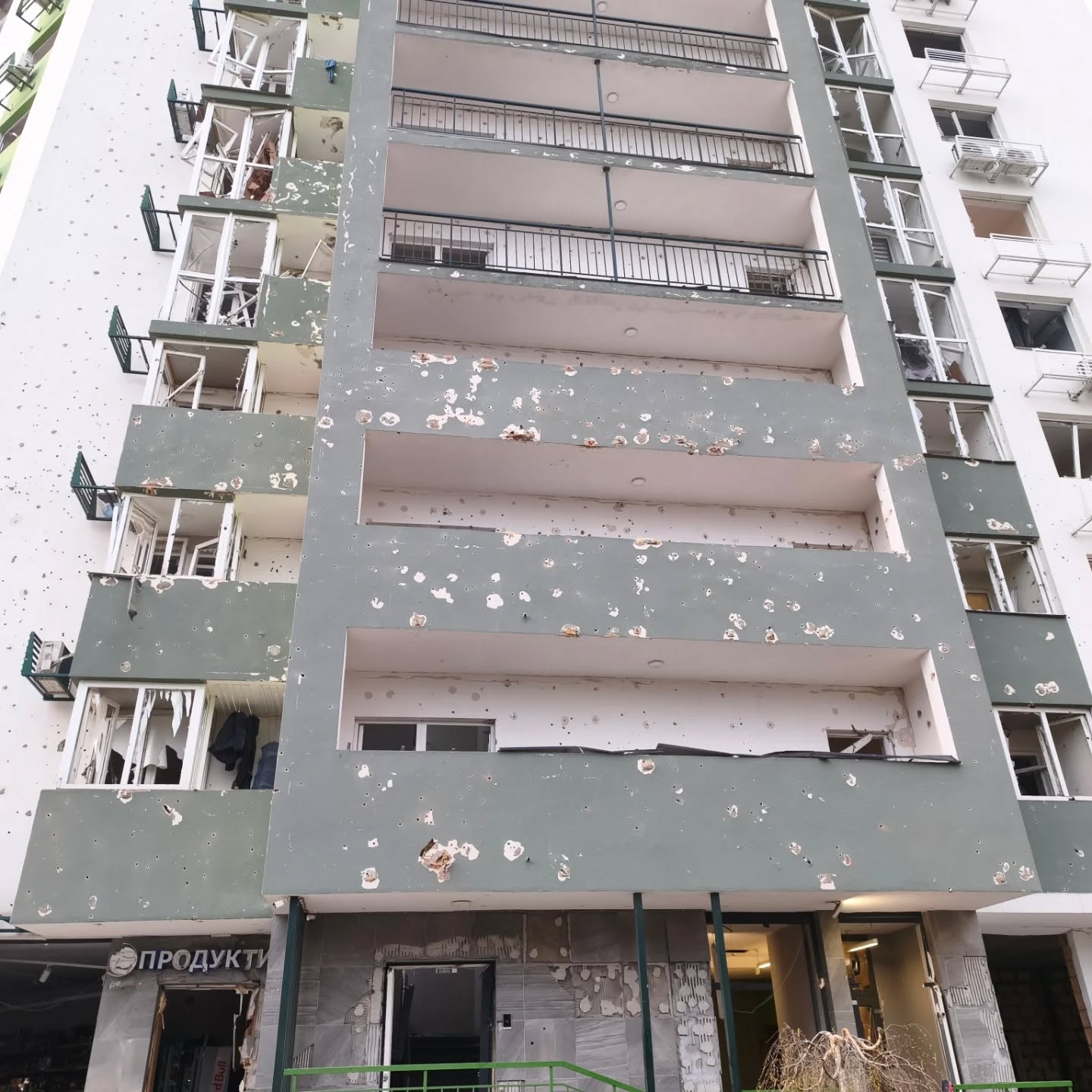

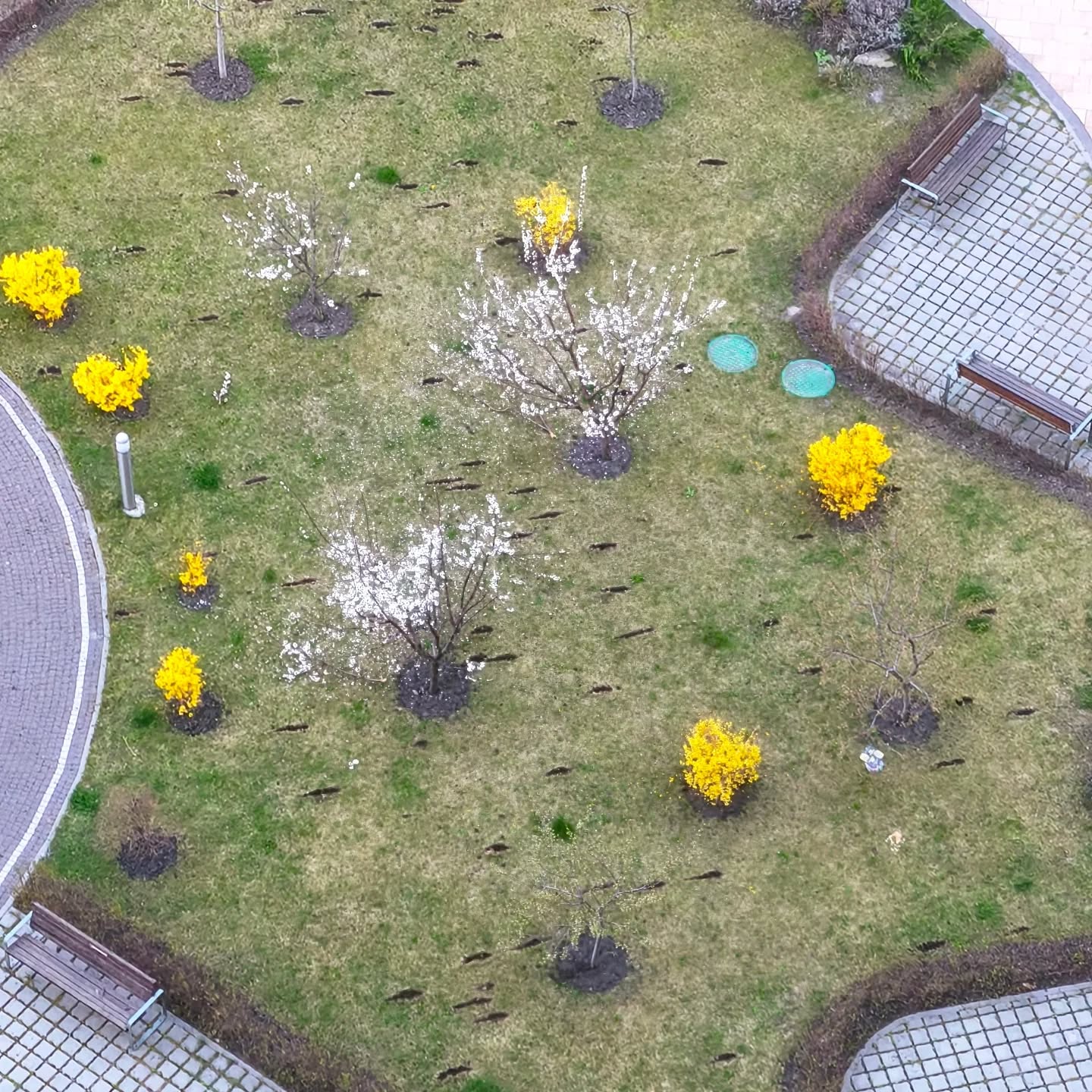
During the week of April 13-19, the Russians launched over 2,360 attack drones, more than 1,320 guided aerial bombs and nearly 60 missiles of various types at our cities and communities.
Kremlin's missile and drone strikes are not just acts of violence, but a part of a deliberate strategy to pressure Ukrainian society and exhaust Western support.
During the recent war in the Middle East, air defence systems were used at an intensity rarely seen before, at a pace that could rival Ukraine's most intense periods of air defence use against Russian missile strikes.
In early April, Ukraine received a new batch of Patriot interceptors, yet President Volodymyr Zelenskyy warned that events in the Middle East are already putting future supplies at risk. According to Reuters, the U.S. may delay arms shipments to some European countries due to the war with Iran. As global demand for air defence grows, Kyiv is working with partners not only to sustain deliveries, but also to accelerate joint production of air defence systems and missiles - a long-term effort to secure protection.
For Ukraine, the shift of global attention carries immediate consequences: as air defence systems, namely Patriots, are the main point in protecting Ukrainian cities from Russian ballistic and cruise missiles. Every single interceptor means another hospital, apartment building or power station has a chance to survive the night.
For the world, this underlines a dangerous pattern - the limits of global air defence capacity at a time when missile warfare is rapidly expanding. This is not just a logistical vulnerability but a strategic one that authoritarian regimes could quickly exploit.
Events unfolding in Ukraine and the Middle East may appear geographically distant, but they are interconnected. As Iranian-designed Shahed drones, supplied to Russia, have been used systematically against Ukrainian cities and have played a significant role in Russia's war against Ukraine.
Ukraine and the Middle East are not fronts competing for attention, but parts of the same emerging battlefield, one defined by missile terror and testing of democratic resilience.
Ukraine does not only ask for protection, but it also offers something few countries possess: real battlefield experience in defending entire cities from missile and drone attacks.
Over years of the Russian war, Ukraine's military is one of the most combat-experienced armies in the world: Ukrainian operators have learned to intercept ballistic missiles, cruise missiles and large-scale drone swarms under real combat conditions.
This way, supporting Ukraine's air defence is not a one-way act of assistance, but an investment in collective knowledge about how democracies can defend themselves against the growing threat of missile warfare.
As global attention shifts, the stability of Europe is at risk. Ukraine is not only asking for protection with nothing in return, but it is also offering knowledge that no NATO army currently possesses.
The real question for the West isn't which territory deserves protection but whether democracies realise they're facing the same challenge and are prepared to respond.
On the Agenda #ontheagenda
This publication was compiled with the support of the International Renaissance Foundation. It's content is the exclusive responsibility of the authors and does not necessarily reflect the views of the International Renaissance Foundation.


