

Art is not a mirror held up to reality but a hammer with which to shape it.
These words belong to the German playwright Bertolt Brecht. Replace "art" with "theatre," and you'll get a strikingly accurate reflection of what Ukrainian theatre embodies today.
"The theater must show what society is destined to become," used to say the influential Ukrainian director Les Kurbas. His work itself served as a manifesto for the idea that theater can shape civic society — and, with it, drive resistance.
Since the onset of the full-scale invasion, the Ukrainian stage has moved beyond roles of entertainment or philosophical contemplation. Rather than asking the audience "What is evil?", today's Ukrainian theatre has become one of the rear-line tools in the fight against it.
"To be or not to be," asks Hamlet in the key scene of Shakespeare's play. In defiance of Russian aggression, Ukrainians choose "to be" every single day. Some join the army, others support it from behind the lines. After long nights of shelling, people still head to work — and on weekends, to the theatre, where attending a play becomes another way to stand with Ukraine's defenders by making donations.
In this piece, we look at four different stories to show how the Ukrainian stage has become a cultural backbone for the Ukrainian military.
The Ivan Franko National Academic Drama Theater was founded in Vinnytsia in 1920 as a traveling troupe formed by Hnat Yura and young actors who had previously worked with Les Kurbas's Molodyi Teatr.
In 1926, the company moved to Kyiv, settling in its current building on what is now Franko Square, and gradually became one of the country's leading drama stages.
With the full-scale Russian invasion, the theater has taken on an active civic role: supporting Ukrainian soldiers, rethinking national identity through performance, and bringing its repertoire to international audiences.
"This 105th season unfolded to the sound of air raid sirens and under constant shelling from Russia. But despite everything, we not only kept going — we continued to work. On new productions and on new ways to help Ukraine's defense. And this, I believe, is the real miracle of theater: to remain a source of support when the world around you is unsteady," says theatre's director general, Yevhen Nyshchuk.
The theater regularly visits Ukrainian soldiers with performances in hospitals, invites them to attend shows, and holds benefit performances that raise millions of hryvnias both in Ukraine and on international tours.
The production that generates the largest support is The Witch of Konotop, directed by Ivan Uryvskyi — a striking contemporary interpretation of Hryhorii Kvitka-Osnovianenko's 1833 novella.
Demand for the production is so high that audiences wait months for tickets.
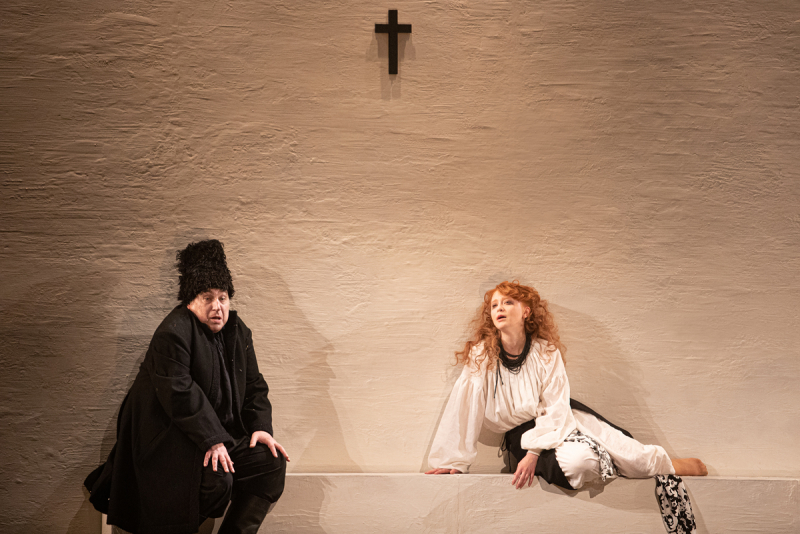
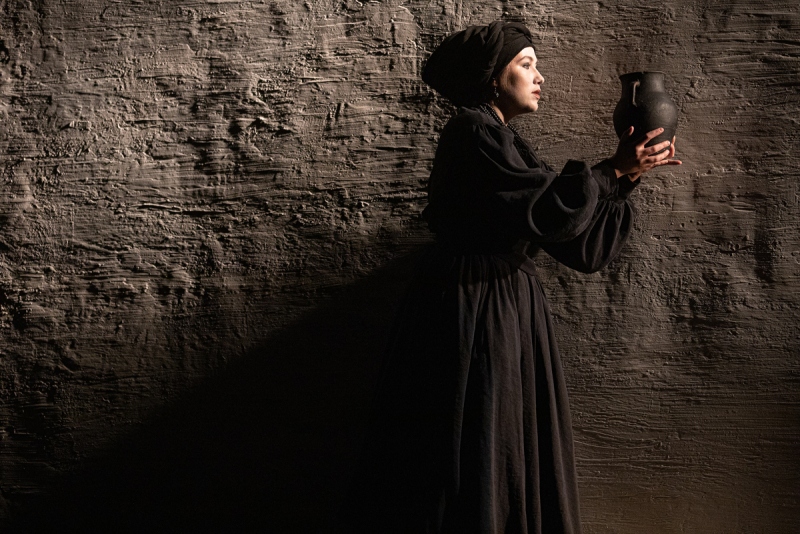
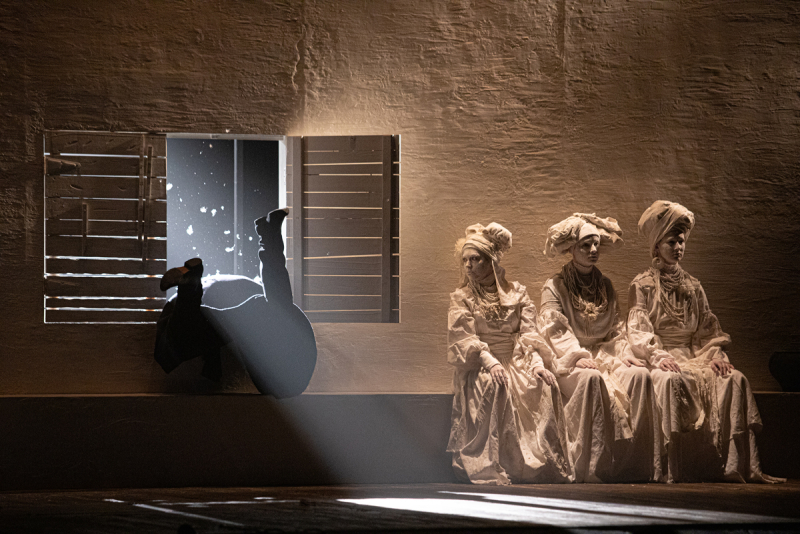
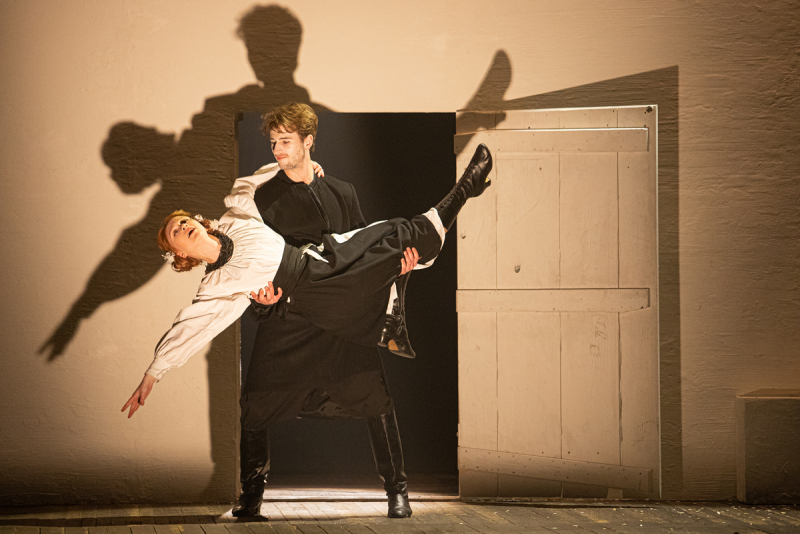
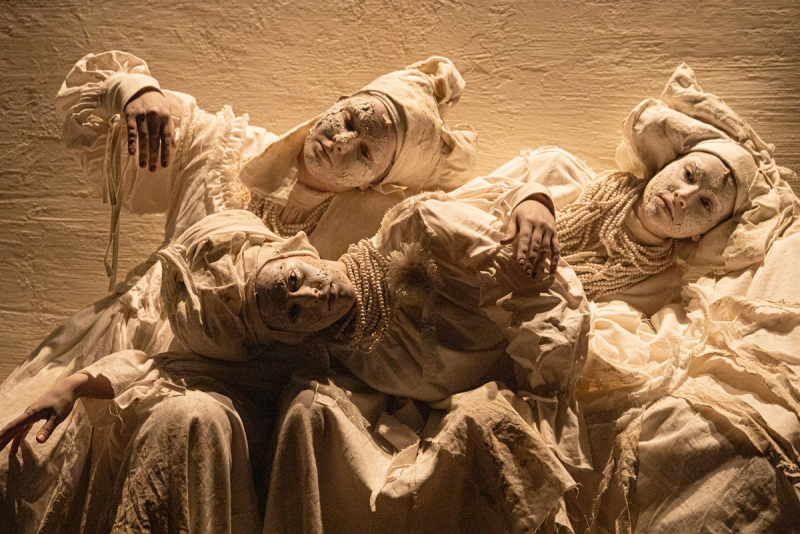
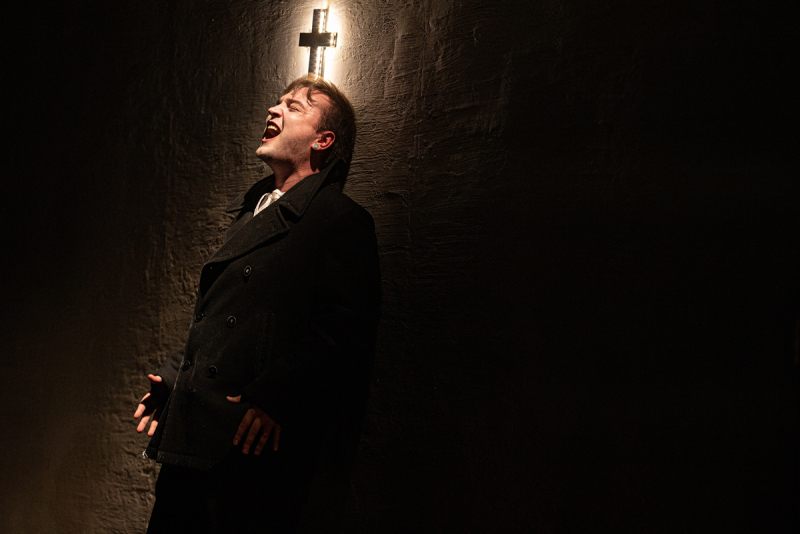
During tours, the theater also holds charity auctions, offering rare and meaningful items contributed by the theater, its partners, and even soldiers. The proceeds go toward purchasing essential equipment, gear, and technology for the front. It's not only individual tickets that are offered — sometimes entire theater boxes are put up for fundraising raffles. For instance, together with their longtime partners EVO-Drones, the theater raffles seats in the director's box, with the funds used to buy vital "eyes" — electro-optical surveillance systems — for Ukrainian troops.
"For us, supporting the Armed Forces of Ukraine is no longer just an important mission — it's a natural part of our lives. From the first days of the full-scale invasion, the Franko Theater became, as we say, 'military-centric.' Everything we do — we do thanks to the front and for the front," said the theater's communications manager, Liubov Shuba.
"At every performance, we reserve a number of seats specifically for soldiers. We want them to have at least a few hours to step away from the reality of war, to see live art, to feel the warmth of the hall, the gratitude of the audience. And those seats are always filled with our Heroes."
Among the theater's major fundraising achievements:
"Recently, we completed a major fundraiser — almost one million — for a multifunctional ground robotic system that will be used for logistics and evacuation in the combat zone in the Kharkiv Oblast. We continue to raise funds for vehicles, vans, and many other needs of our defenders. We also support our own colleagues who are now serving. Over the last season alone, we transferred more than 75 million hryvnias to the Defense Forces of Ukraine."
The theater is now beginning to support rehabilitation and recovery for veterans. In particular, it has started working with the SuperHumans Center, which specializes in military trauma and prosthetics. Proceeds from the special premiere performances of the new production PolyAndria, directed by Davyd Petrosian — in which some roles are performed by veterans — will go to the center.
"The Franko Theater has always been a home for everything Ukrainian. Our values haven't changed — Ukraine above all. The full-scale war has made things very clear, and now we operate with a simple and honest principle: 'You are either in the army, or you work for the army.' Many of our colleagues, friends, and family members are on the front line, so we have to do everything possible — and impossible — to support them. To defend our country, our borders, our freedom, our culture, and our history. We are a 'military-centric' theater in the deepest sense: everything we do, we do with those who fight in mind. We believe in Ukraine's victory, and we are waiting for our defenders to come home — back to the stage and back to the audience," Liubov Shuba adds.
Euphoria is a theatre school that started in 2019. It brings together people of different ages and backgrounds from across Ukraine. For those whose homes were occupied by Russian forces or who were displaced from frontline regions, Euphoria offers a way to adapt to a new place and find a sense of belonging. For soldiers, it has become a space to ground themselves and slowly return to civilian communication through creative practice.
The training process lasts several months and leads to a production on the professional stage of the Suzirja Theatre.
Among Euphoria's repertoire are Born to Be Free, which brings to life the stories of the writers of the Executed Renaissance, and Kulish 97, a reflection on the historical trauma of the Holodomor.
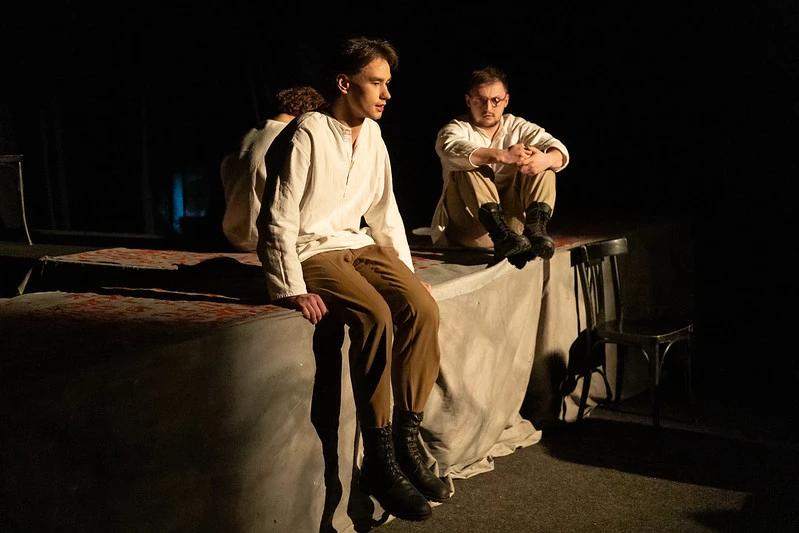
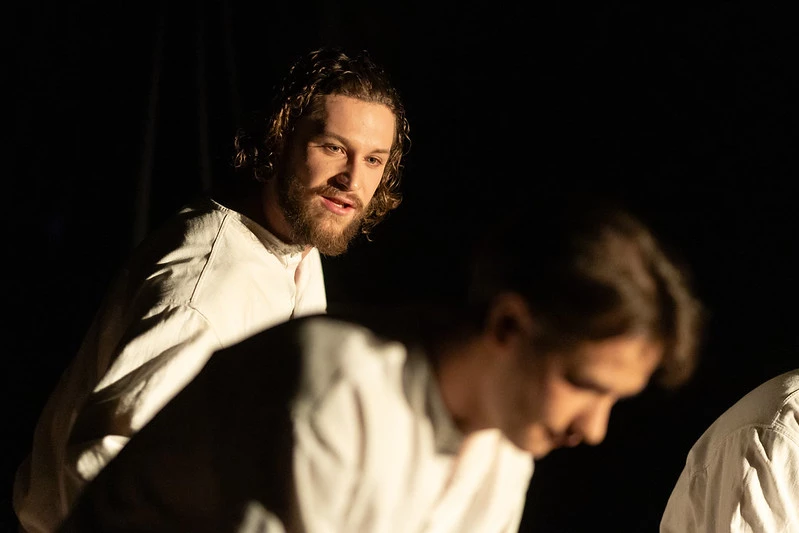
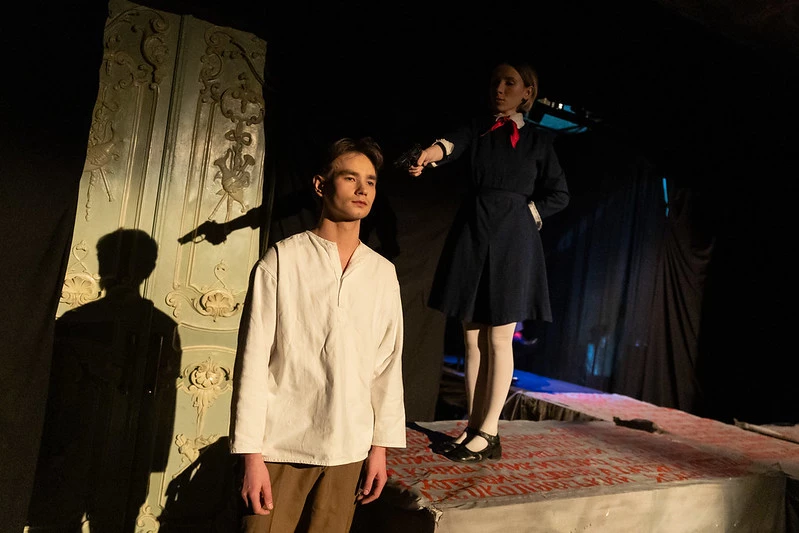
Since the start of Russia's full-scale invasion, Euphoria has been actively supporting the Da Vinci Wolves. Beyond staging plays, the studio holds charity cultural events. Director Anhelina Dzneladze says they have raised around 800,000 UAH to support the unit.
"One of the Wolves, actor and our dear friend Yevhen Svitlychnyi, served in the unit. He was killed in 2023 during a combat mission. He taught us to see beauty and to live without fear. We continue supporting the Wolves in his memory — many of our friends are still serving there," Anhelina shares.
At the core of everything we do are people — our community — and the common love for art.
The studio also has a mascot — a bull terrier named North, who is almost always present during rehearsals. North belongs to Serhii Filimonov, the commander of the Da Vinci Wolves. While he is at war, the "theatre family" is taking care of the dog.
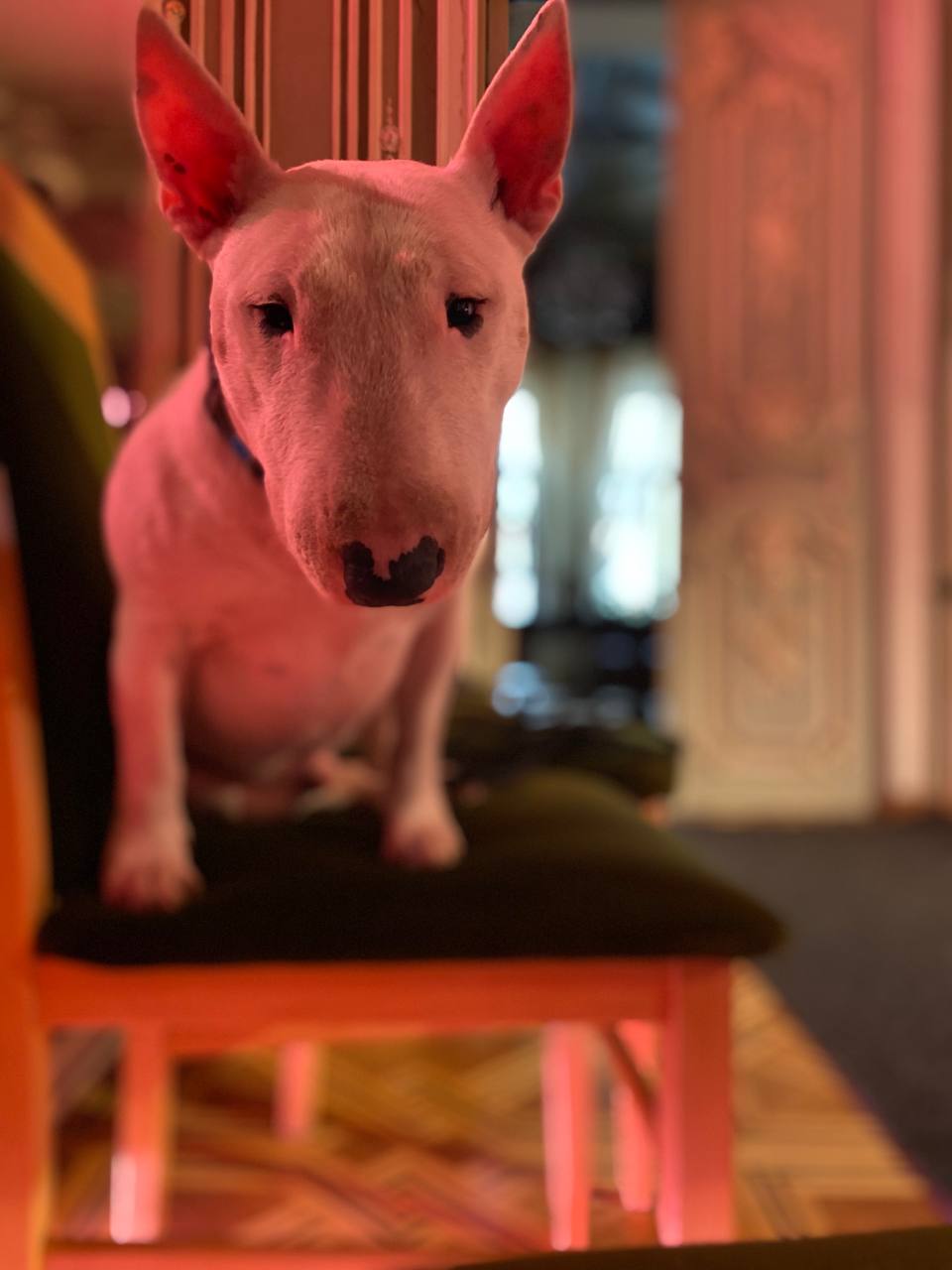
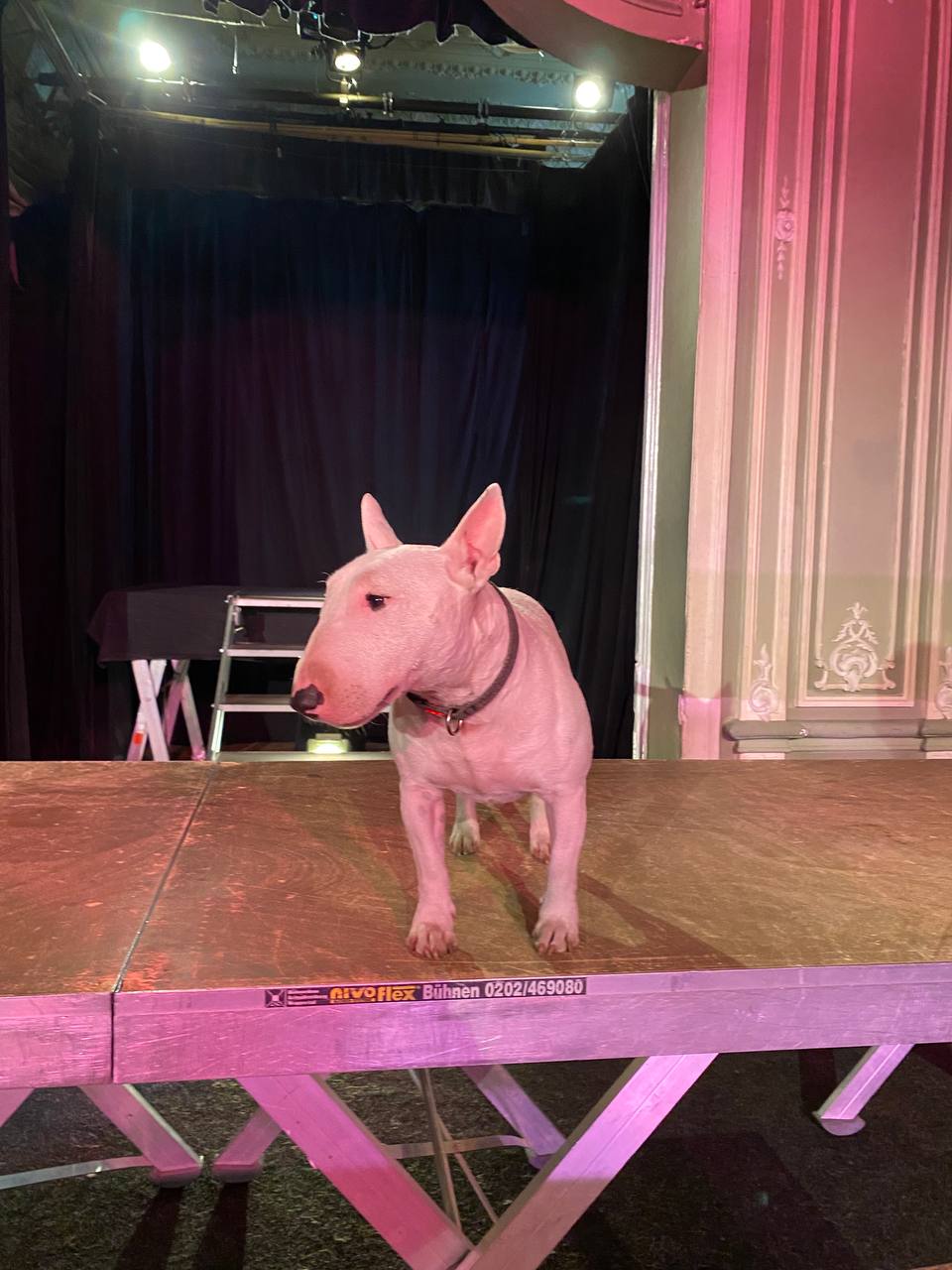
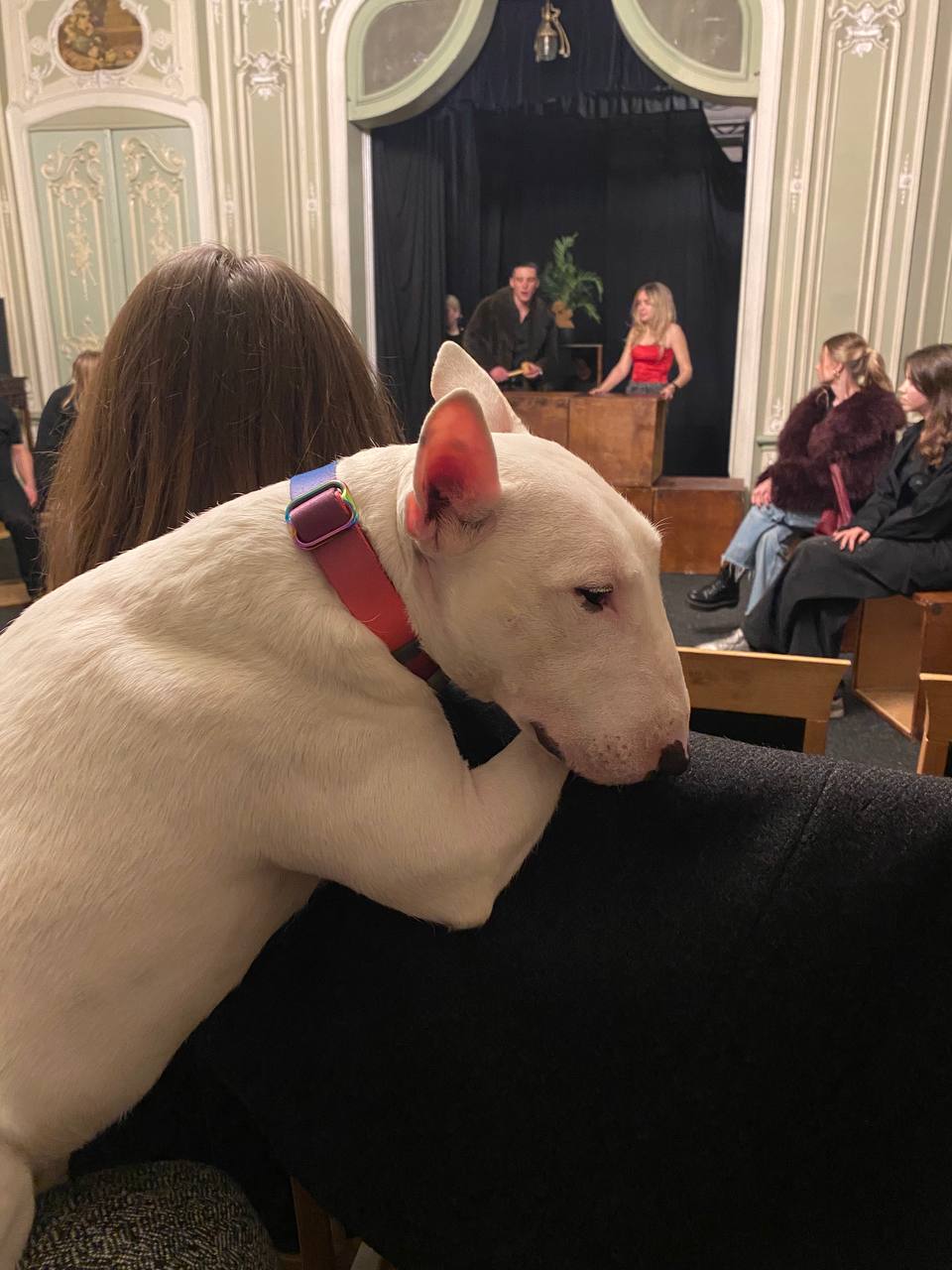
"North lived through the war too — we joke that he deserves a veteran's ID."
We spoke with Dmytro Dibrov, General Administrator of the Lesya Ukrainka Theatre, about the theatre's contribution during the war.
Since the start of the full-scale invasion, the theatre has managed to raise around 5 million hryvnias for the Ukrainian Armed Forces.
It has been consistently organizing charity events, artistic initiatives, and auctions. In addition, the theater added a new production, The Wave, to its repertoire; special weekend performances of the play are held regularly, with all proceeds directed to specific military units.
A significant number of actors and technical staff joined the Territorial Defense Forces and the Armed Forces of Ukraine. Those who remained in the city became involved from the very first days — helping the military, volunteer groups, and internally displaced people.
"As someone directly involved in coordinating this help, I understand very clearly the importance of unity and of everyone contributing where they work and where they're able," Dibrov told UkraineWorld.
In the first months of the invasion, the theater handed over its service vehicles and fuel supplies to a military unit. Later, actors and staff began producing essential items for the military themselves: gear components, camouflage nets, trench candles, warm clothing, and food kits. All of it was delivered directly to frontline positions and hospitals.
"To support the morale of our defenders, we created a traveling creative troupe with a concert and patriotic program. At the request of military units, these performances take place in military formations and medical facilities. They are welcomed with great warmth and have a therapeutic effect — both for the soldiers and for the performers," Dibrov added.
Supporting the veterans
"Supporting war veterans, their families, and the families of fallen defenders is an important part of our work. We're seeing growing interest from veterans and their families in attending performances. For them, it's not only a way to meet their cultural needs — it's also an effective tool of social adaptation and psychological rehabilitation. Art helps restore a sense of belonging, community, and inner balance."
Free or discounted admission for veterans has now become an integral part of the Lesya Theater's social mission.
What theatre should be in times of war
"In my view, a theater in wartime cannot remain on the sidelines. It ceases to be just a place of artistic expression — it becomes a space of spiritual resilience, empathy, and national awareness. Today, a theater must carry out not one but several essential missions: supporting people, helping them maintain inner stability, reminding them of the value of our culture, and contributing to our shared struggle."
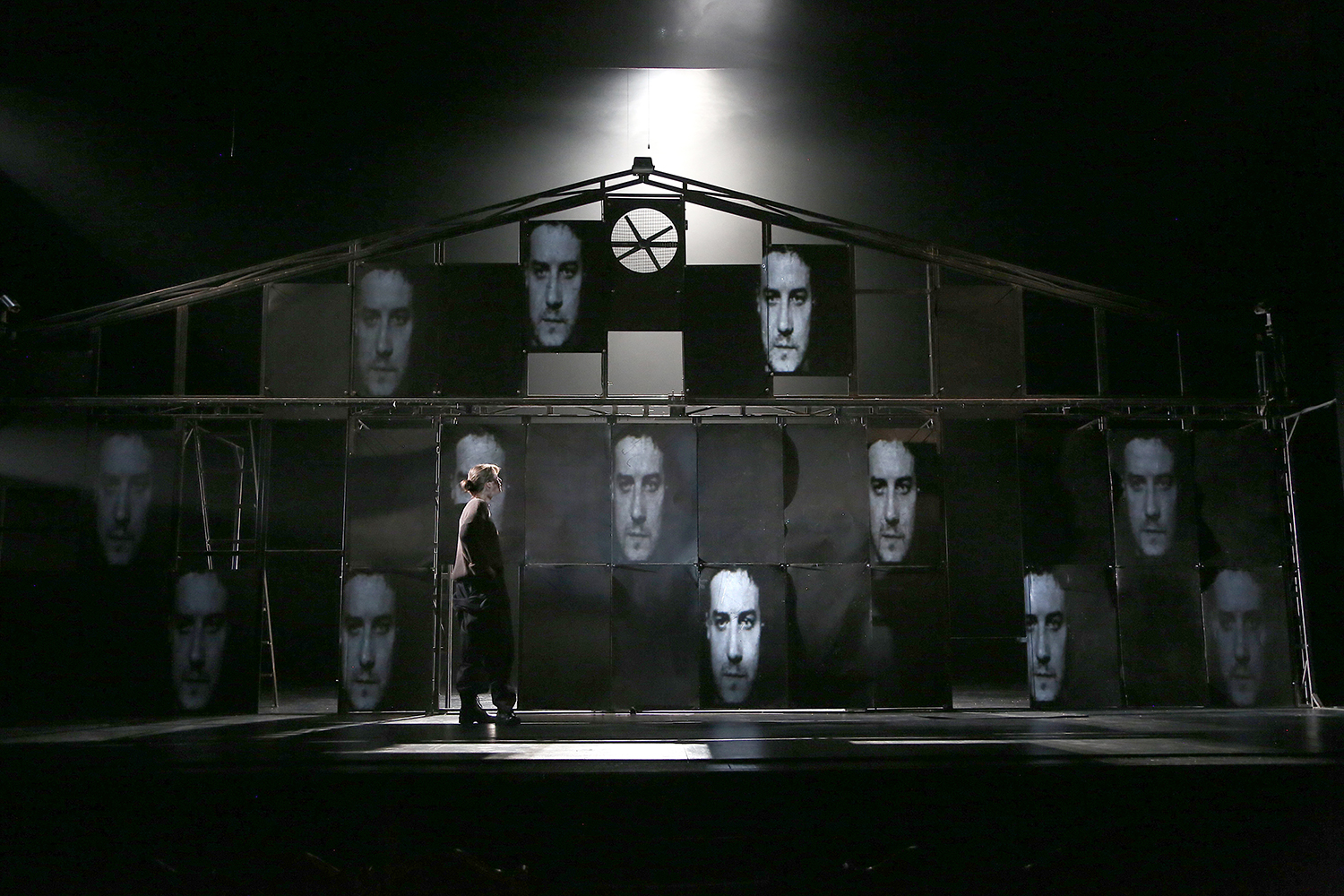
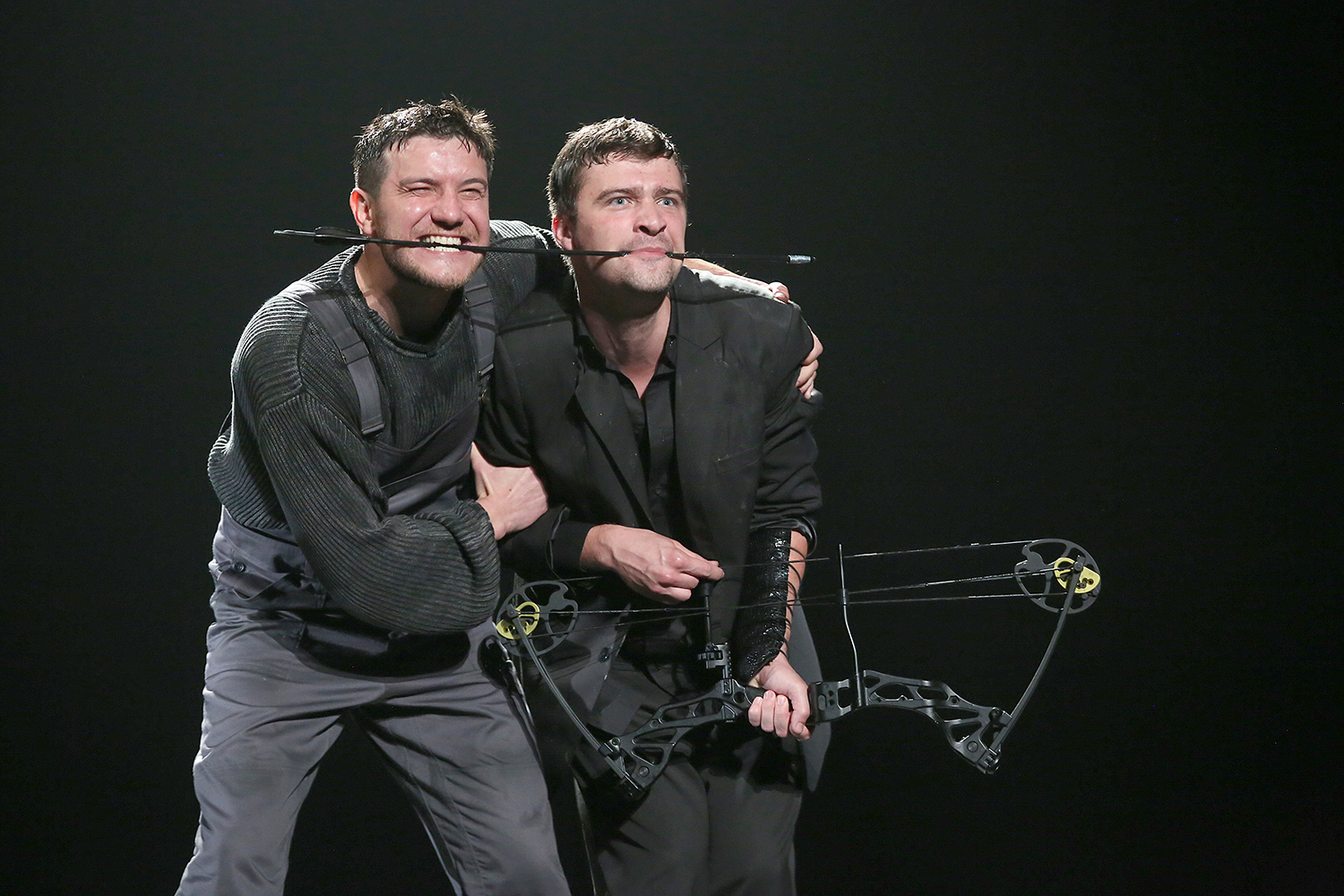
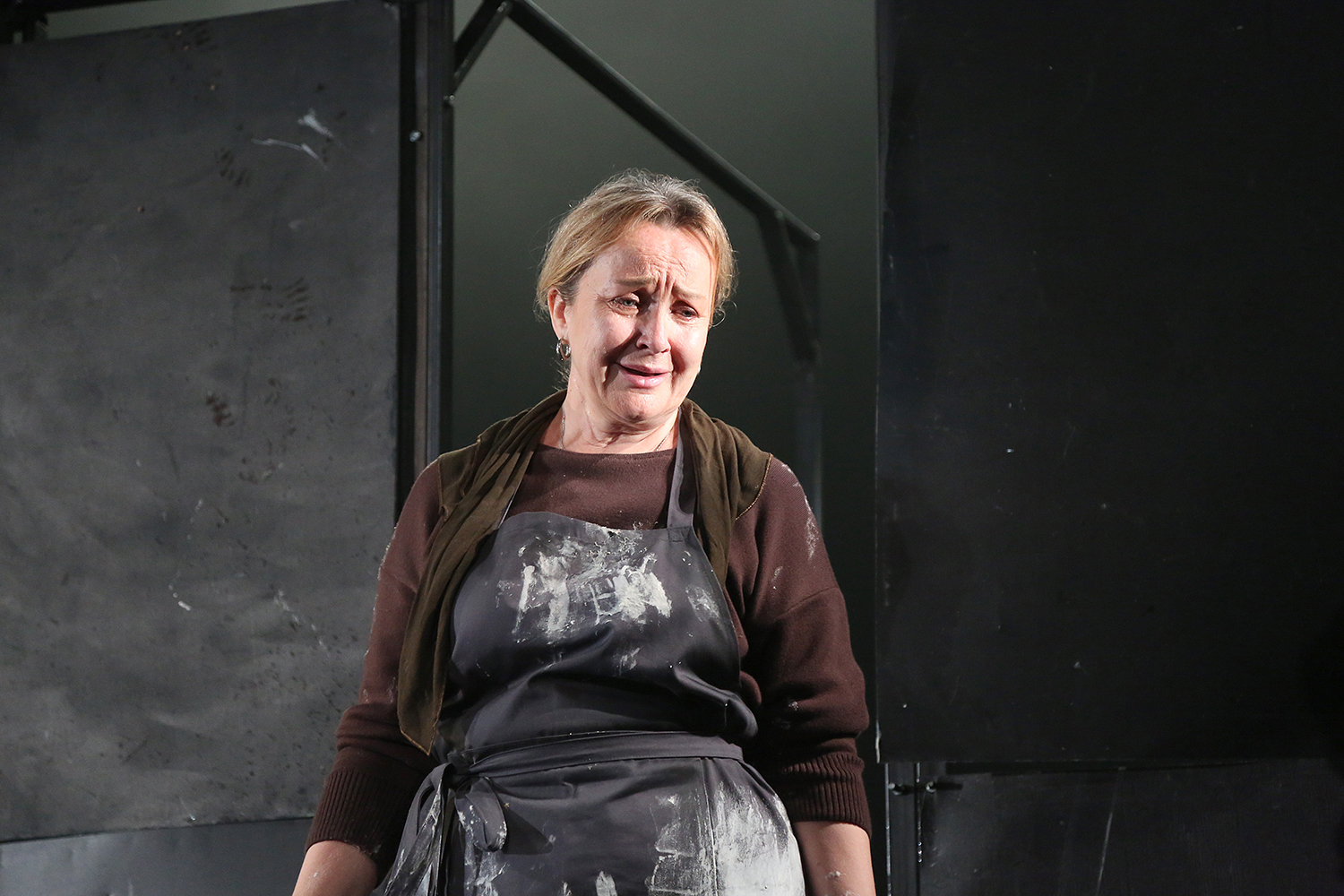
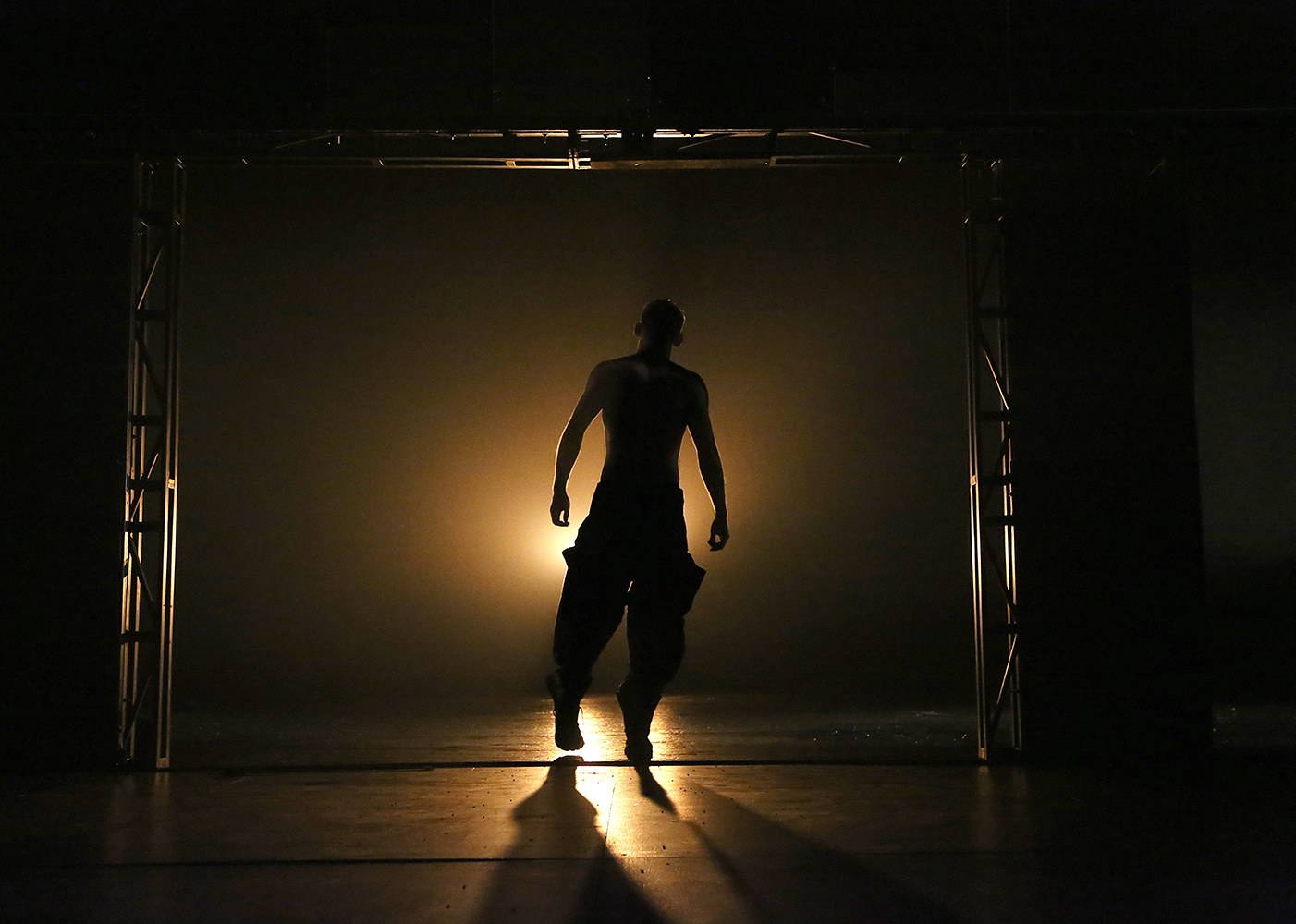
"For our theater, these aren't abstract ideas — they translate into concrete actions and daily decisions. First, I personally insist on the principle of openness. All our processes — our repertoire decisions, operational planning — are guided by the idea that the theater must remain accessible, alive, and necessary. When a country is living through trauma, art must work even harder, more honestly, and more attentively toward its audience."
Our theater must speak the language of the present, be responsive to the times, yet remain responsible for artistic quality. I believe that art right now is another front. If our soldiers hold the line with weapons, we defend the country's spiritual space. We work to support people, to inspire them, and to remind them of what we're all fighting for.
Comedy or drama?
According to Dibrov, today's Ukrainian audience doesn't divide into "fans of comedy" and "fans of drama." People come to theatre seeking honesty, emotional support, a chance to process difficult experiences, and the feeling that their inner state is understood and shared. That has become more important than genre.
"Drama resonates in a special way right now. It allows us to speak openly about what is often left unsaid in everyday life: loss, pain, tension, exhaustion --- but also faith, courage, and resilience. I see how audiences respond: sometimes very emotionally, sometimes quietly, but always with deep inner reflection. In wartime, drama gives people the chance to look at reality honestly and to see that they're not alone in what they feel."
"At the same time, there's also a demand for comedy — and I understand this very well. People are exhausted by the news, the emotional strain, and the constant weight of responsibility. I see it in the auditoriums, in ticket sales, in feedback: many come to theatre precisely to breathe out, to smile, to regain a sense of lightness even for two hours. But modern comedy is changing too — it's becoming smarter, subtler, closer to real life, sometimes even leaning into tragicomedy."
"Today, theater shouldn't pit genres against each other. What matters to me is that any performance — whether comedic or dramatic — is honest, relevant, and attentive to the audience. If someone leaves the hall feeling more grounded, calmer, with a sense that they were heard and understood — then we've done our job."
"That's why I see today's trend this way: audiences come not for a genre, but for an emotional experience. Some need cathartic drama; others need thoughtful, uplifting comedy. And I believe our task as a theater is to ensure that everyone can find what helps them endure and move forward."
Wild Theatre is an independent Ukrainian theatre founded by Yaroslava Kravchenko. Next year, it will celebrate its 10th anniversary. Like many other theatre spaces in Kyiv, Wild Theatre hasn't stood aside: some of its actors have joined the Armed Forces, and the theatre itself raises around 50,000 UAH every month to support the military.
"After every performance, we ask our audience to share their impressions by donating to a special fund called 'Actors in the Defense Forces'. From there, we send monthly contributions to support our actors and team members now serving in the military, and we also assist actors from other theatres. At the start of the full-scale invasion, when Kherson was under occupation and actors of the Kherson theatre weren't being paid, we supported them as well," the theatre's director, Yaroslava Kravchenko, told UkraineWorld.
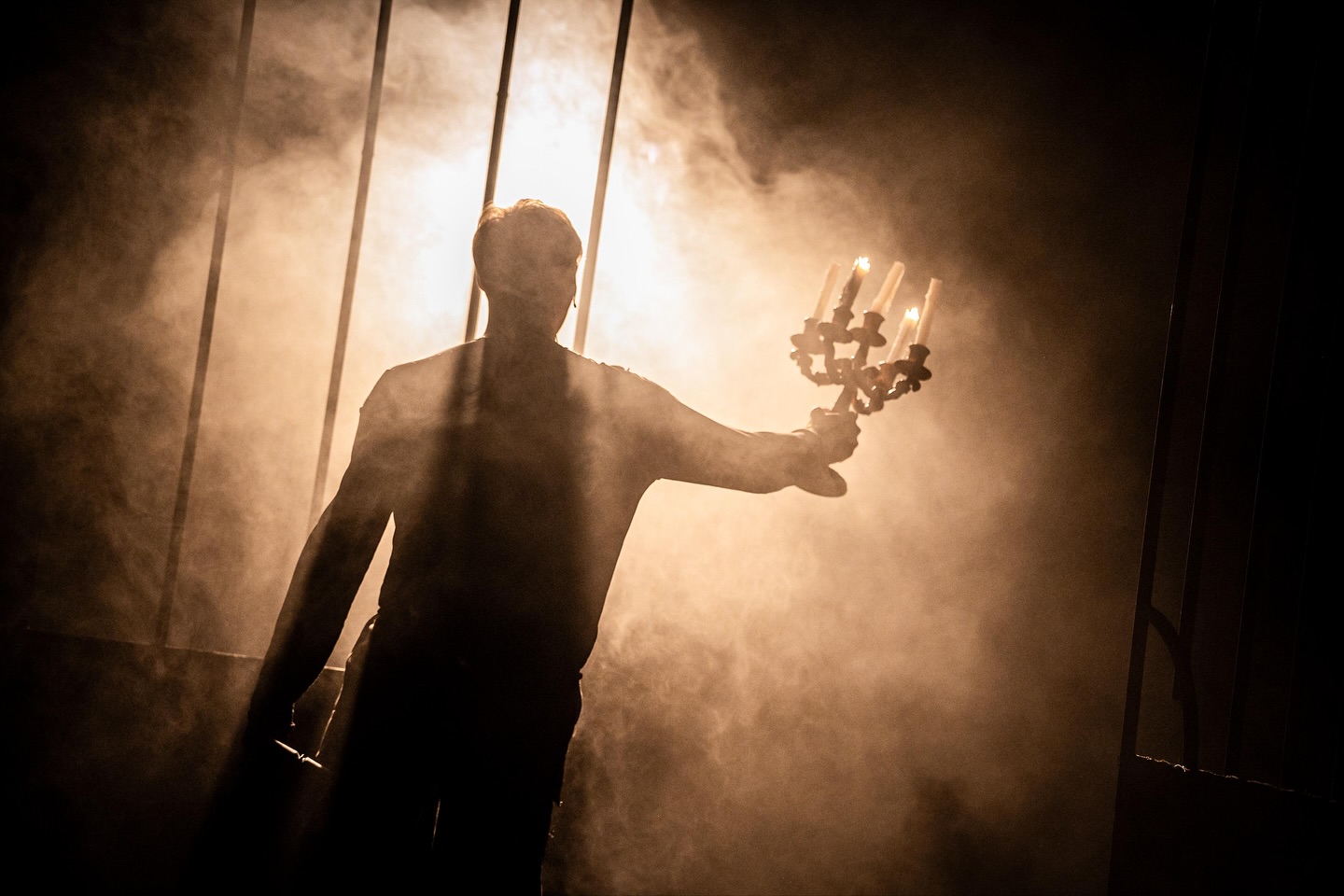
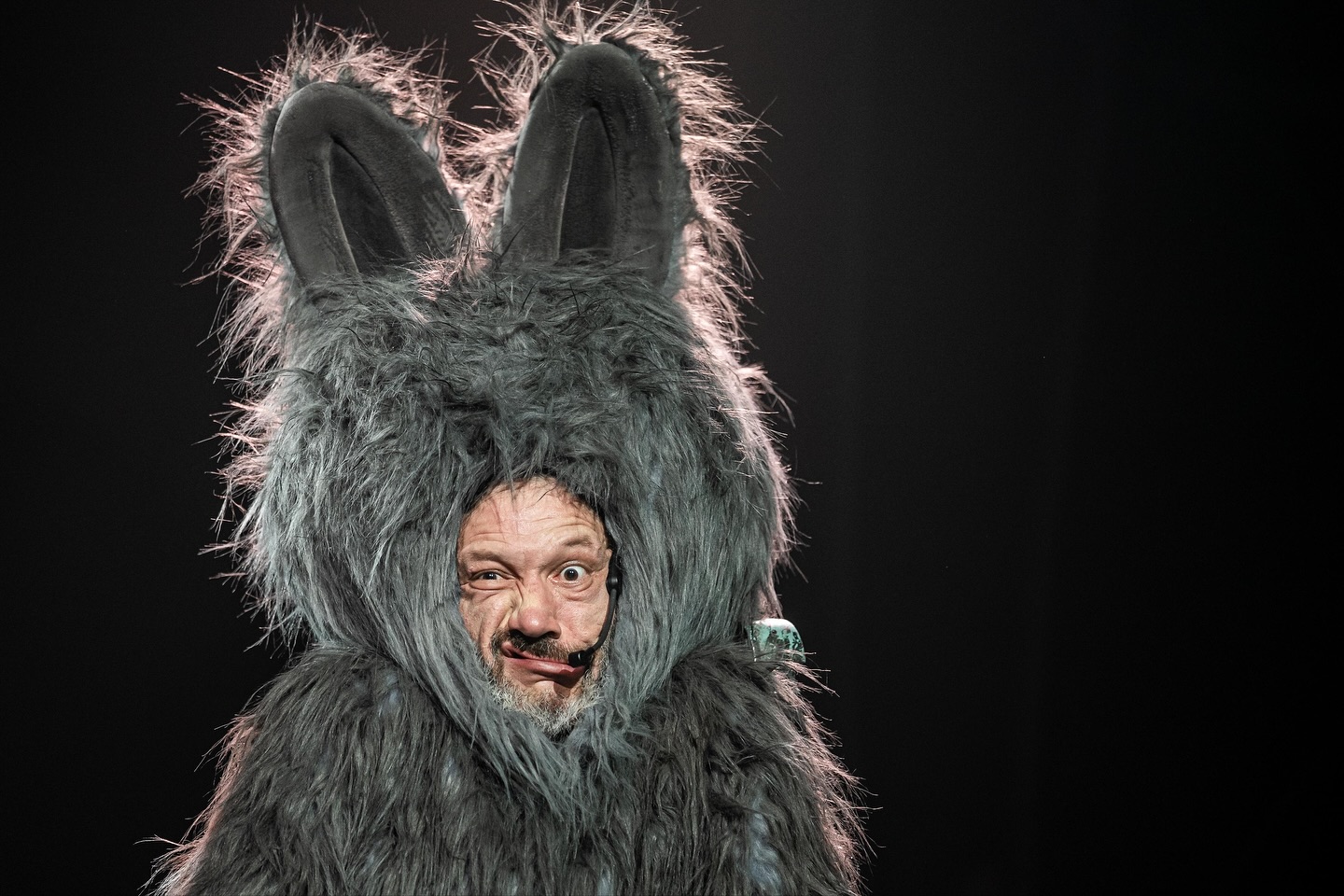
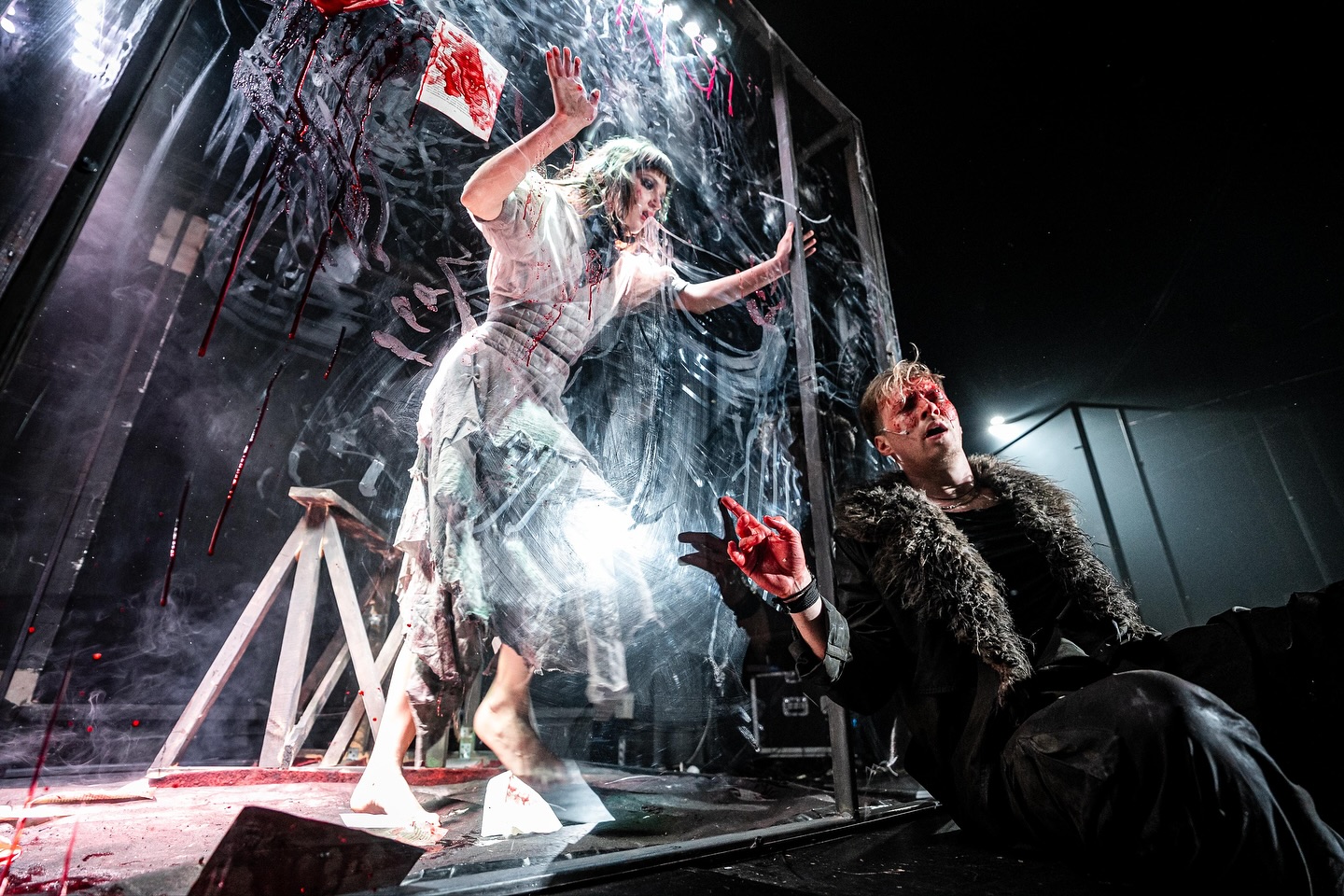
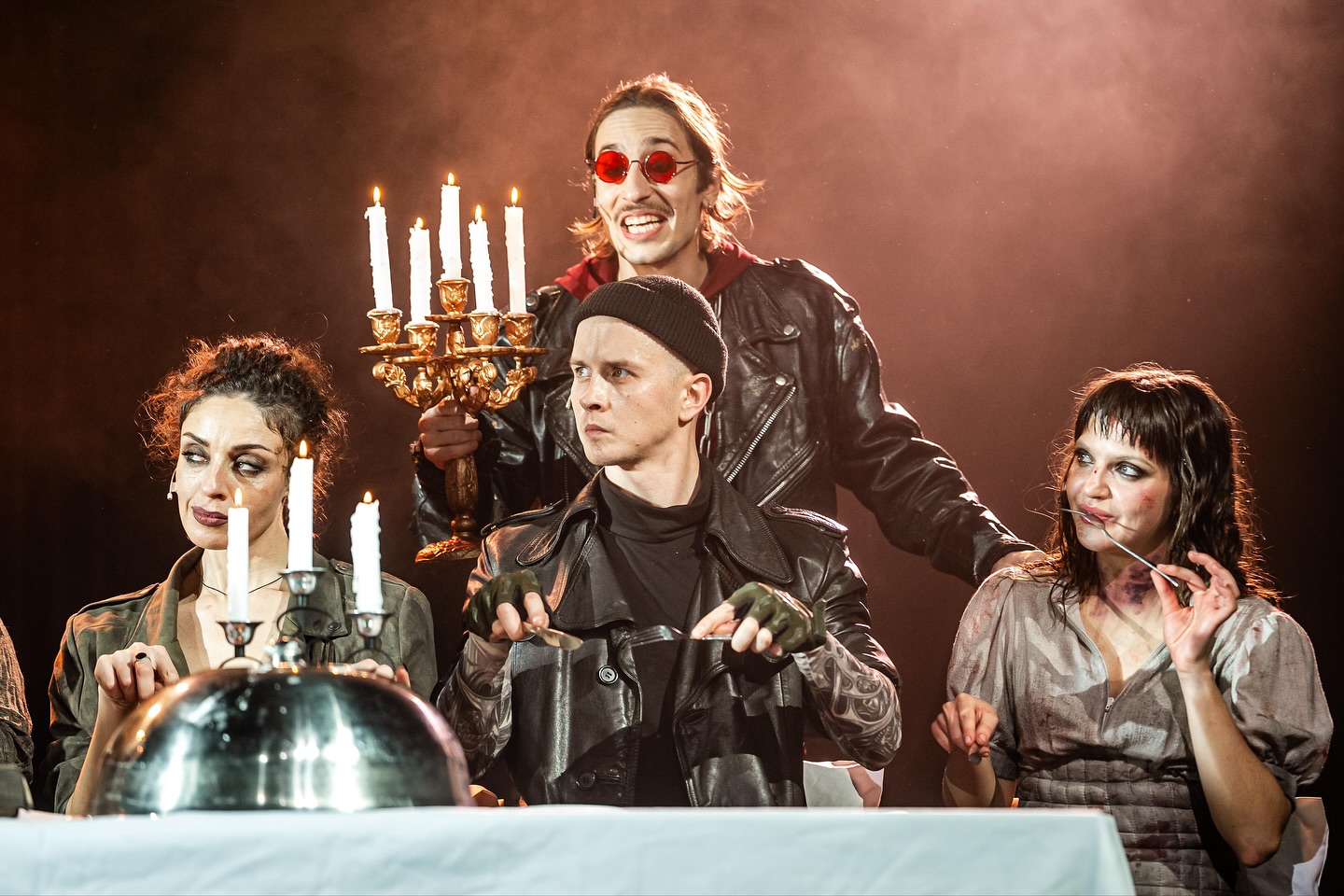
It was after many of their staff were mobilised that the team came up with the idea for the School of Light — a programme offering free online and offline intensives that teach veterans the basics of theatre lighting, projection, and sound.
"All theatres are currently facing a shortage of specialists. At the same time, we're seeing a crisis in veteran resocialisation and employment. That's why we created this school — a place where anyone interested can gain a technical skill, complete basic training, and decide whether they want to continue working and learning in this field."
With the start of Russia's full-scale invasion, Ukrainian theatres had to rethink how they communicate with their audiences, cultivating sensitivity and care. For many people, theatre has become a space to momentarily step away from the daily stress of war, to feel less alone, and to simply exhale in the seconds when the lighting designer dims the house into pre-show darkness.
"Today, Wild Theatre's mission is to support the audience. None of us can endure this endlessly; none of us can plan; all of us sleep in corridors and metro stations during bombardments. And in the morning, we pretend everything is fine. But it isn't. It's been four years of exhaustion and stress. And it's not over."
During wartime, theatre should move closer to people — it should care for the audience and support them. Not shock them, not provoke outrage like we once did when we wanted to shake Ukrainians awake."
"It is also a personal taboo for me to depict the war on stage directly, because we already live inside it — or to use military symbols or uniforms just to amplify emotions. That's manipulation. Our audience isn't made up of people who are unaware of what's happening in the country."
The article is produced by UkraineWorld with the support of the Askold and Dir Fund as a part of the Strong Civil Society of Ukraine - a Driver towards Reforms and Democracy project, implemented by ISAR Ednannia, funded by Norway and Sweden. The contents of this publication are the sole responsibility of UkraineWorld and can in no way be taken to reflect the views the Government of Norway, the Government of Sweden and ISAR Ednannia.


