

Russia weaponises history and not as a record of the past, but as a tool for achieving imperial ambitions. Under tsarist and Soviet rule, Ukrainian history was edited, erased and falsified to fit Moscow's narrative.
After Ukraine regained independence in 1991, a new perspective began to emerge, but access to suppressed truths came gradually. It took years before people could speak openly about dissidents, the Holodomor, deportations and forced erasure of Ukrainians from their ancestral lands.
One of the most deeply suppressed themes was Ukraine's national-liberation struggle - its long fight to be free from Russian control. Kholodnyi Yar,
a forested upland in central Ukraine, now within Cherkasy Oblast, whose name literally means "Cold Ravine", became one of the beating hearts of this struggle. These communities organised, fought and "made a dent" in seemingly unstoppable Russian war machine, but then were punished and slandered into silence.
We spoke with those who helped to uncover the truths and significance of this territory.
Long before Kholodnyi Yar became a symbol of armed resistance, it was already a place where deep ravines, dense forests, springs and natural shelters made it a landscape where people could hide, regroup and survive.
Archaeological traces show that this territory was inhabited for centuries
by ancient tribes, early Slavic communities and later medieval settlers.
"Nature here always worked as an ally," explains Yurii Liashko, a historian and head of the Historical Museum of the Kamianka State Historical and Cultural Reserve. He knows Kholodnyi Yar not only through documents, but also firsthand, walking its terrain, climbing hills and revisiting sites seasonally.
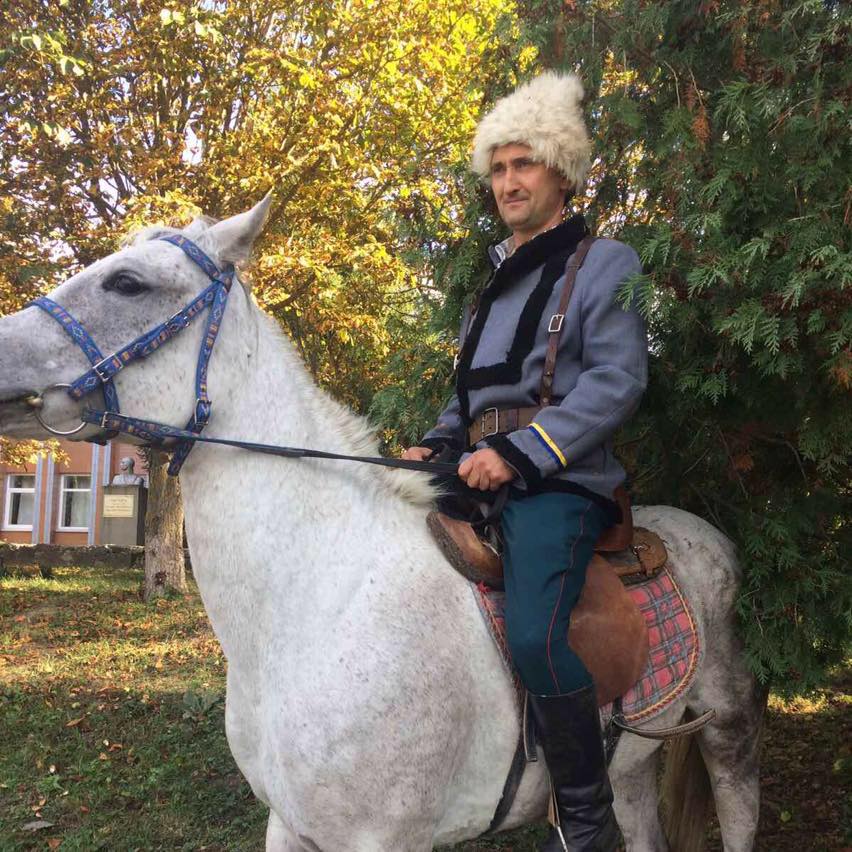
We talked about the significance of this territory and its role in Ukraine's history.
Kholodnyi Yar has always functioned as a frontier zone between empires, and as a result, local communities have developed strong traditions of self-organisation and armed self-defence.
Yurii Liashko suggests that the Haidamak movement of the 18th century should be understood as a form of social and religious resistance by local communities under growing pressure in central Ukraine, particularly in the Kholodnyi Yar territory. Koliyivshchyna was the uprising that emerged from this context, however, it was, in the end, suppressed by Russian imperial troops, as Empress Catherine II viewed it as a dangerous precedent that could spread into territories that were under Russian control.
During Bohdan Khmelnytsky's period, political centres lay in Chyhyryn and Subotiv, but the forests of Kholodnyi Yar played a crucial supporting role as a resource base, supplying weapons, gunpowder, timber, and provisions. The name Kholodnyi Yar ("Cold Ravine") became widely known only in the nineteenth century, after Taras Shevchenko's poem Haidamaky transformed a local toponym into a specific symbol.
At the beginning of the twentieth century, Kholodnyi Yar once again became a centre of organised resistance during the Ukrainian Revolution, however, it wasn't a spontaneous revolt, but a self-organised movement deeply rooted in local communities. As Yurii Liashko explains, it is wrong to use the title "Kholodnyi Yar Republic": it is a Soviet construct later used to resemble the USSR artificially and to portray the Ukrainian struggle as fragmented and merely local, rather than part of a united fight for freedom.
In reality, the movement followed many Cossack traditions:
villages formed combat units, territories were organised into regiments and coordination relied on local networks. Kholodnyi Yar encompassed a vast territory that rejected Bolshevik rule and fought under the blue-and-yellow Ukrainian flag. For several years, Soviet authority existed here only nominally, mainly along railways and in cities.
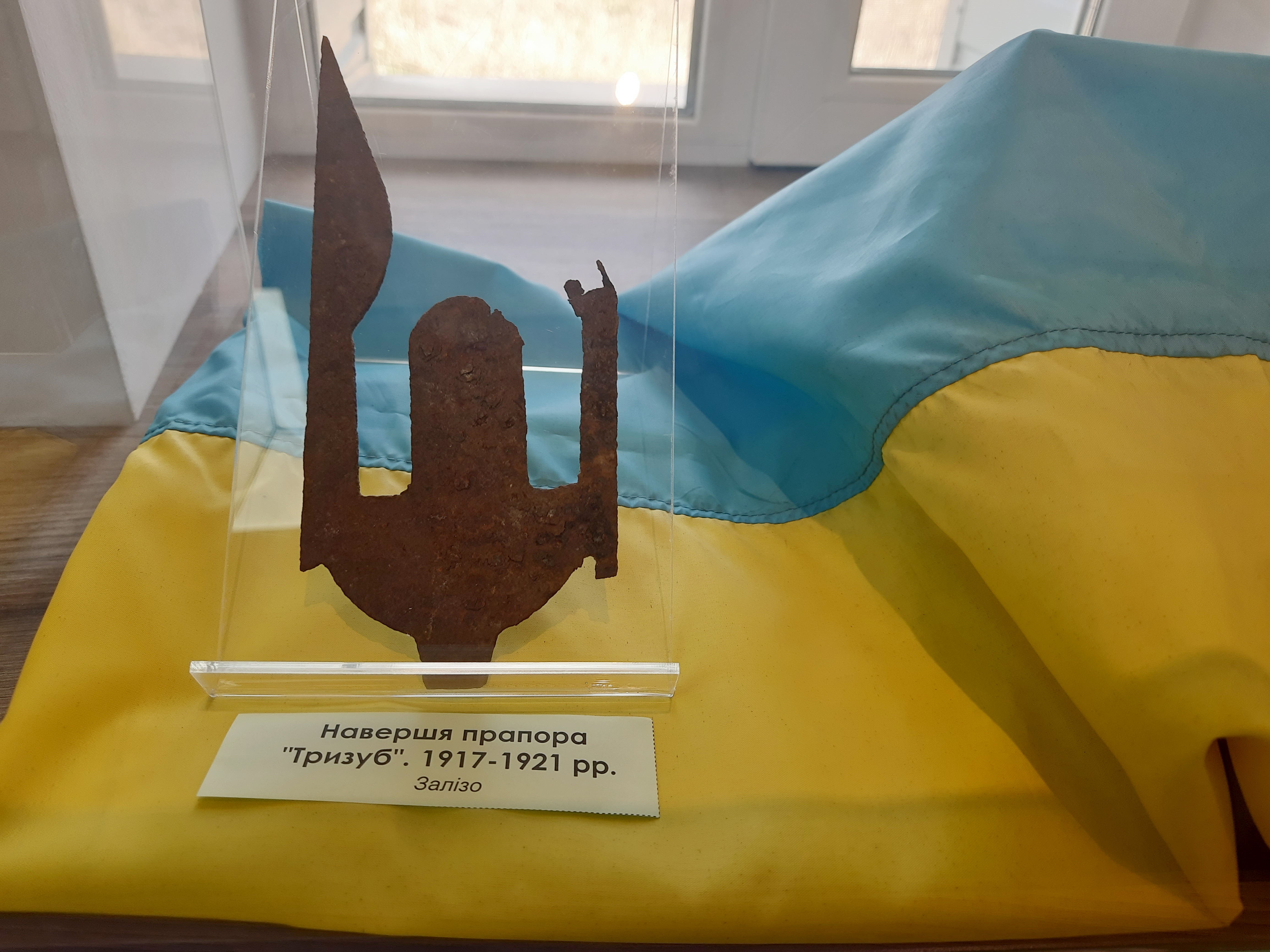
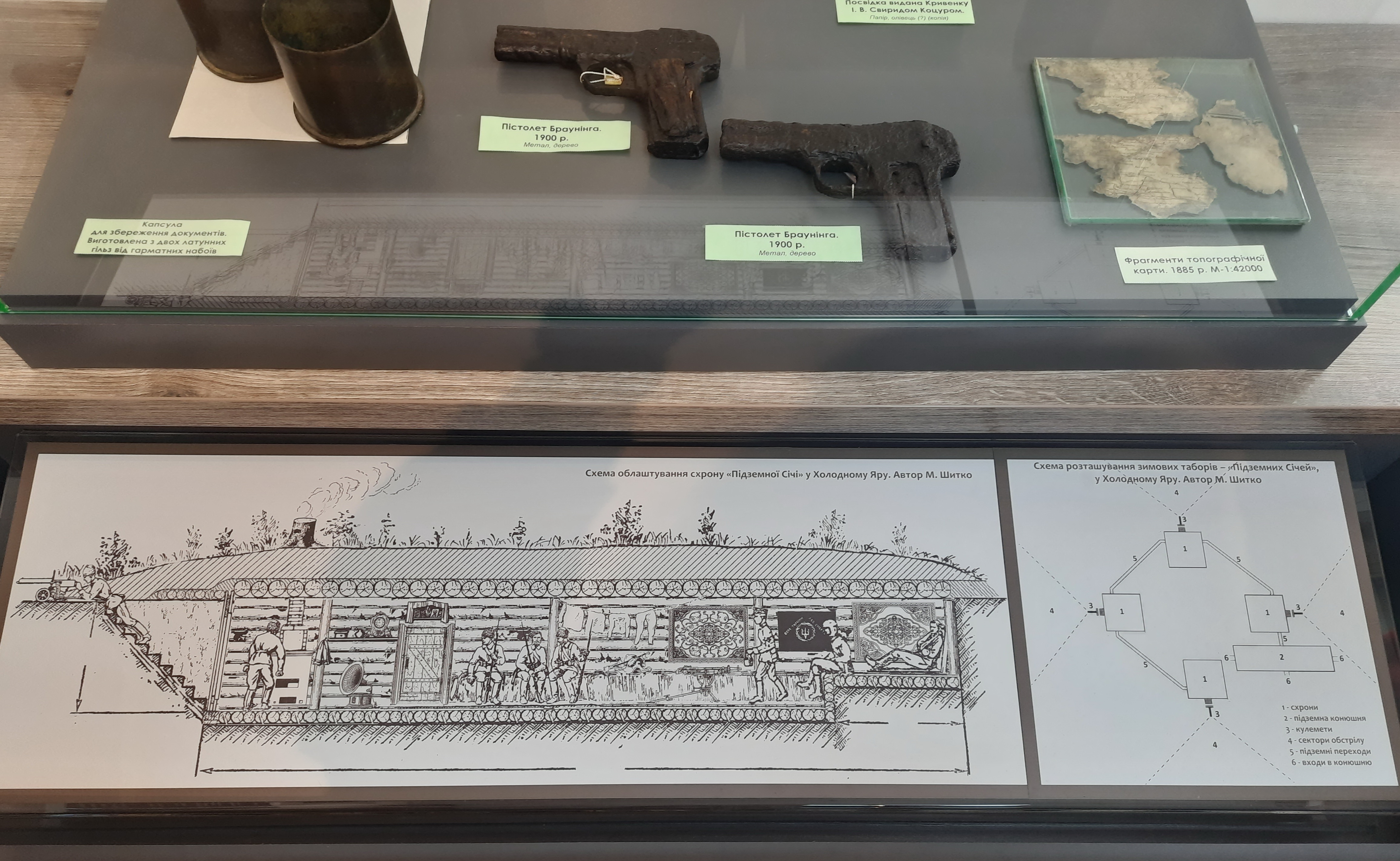
Kholodnyi Yar developed one of the most sophisticated underground resistance systems
in early twentieth-century Ukraine, named "underground Sich" - complexes included interconnected bunkers, hidden passages, and defensive firing positions that allowed fighters to move unseen and hold a circular line of defence.
Local residents who witnessed the events in Kholodnyi Yar as children remembered Soviet forces not as an army, but as marauding bands:
Russian troops moved through villages looting food, clothing and livestock, stripping homes bare, as cavalry columns were followed by carts loaded with stolen goods. Testimonies also speak of extreme brutality: civilians terrorised, houses burned and prisoners tortured in front of relatives and close ones.
Yurii Liashko compares the present to the past, highlighting similar methods: looting, violence, intimidation, and using non-Russian forces as expendable power. A century ago, Russian command used Chinese units; today, it recruits fighters from other regions and countries.
"The weapons are different now," he says, "but the people and the methods are the same."
After five years of resistance, the movement was crushed, its leaders killed or imprisoned, communities terrorised into silence and its story rewritten as the story of crime. What survived lived only in family whispers, half-remembered names, unmarked graves and places people knew better than to talk about.
However, the heroes of Kholodnyi Yar demonstrated that sovereignty depends not only on leaders and their armies, but also on social solidarity and a sense of community.
After proclaiming the Independence in 1991, a different kind of Ukraine's resistance began, as local historians, museum workers, veterans and young people tried to recover truth from distortion and memory from neglect, thus turning Kholodnyi Yar into a living space of dignity.
Yurii Horlis-Horskyi, a lieutenant of the Ukrainian People's Republic Army and a member of the Kholodnyi Yar struggle, documented the resistance from within. His book Kholodnyi Yar is best read not as fiction, but as first-hand testimony - memoirs shaped by lived experience, describing how ordinary villagers, farmers, teachers became fighters, couriers, medics and protectors of their land.
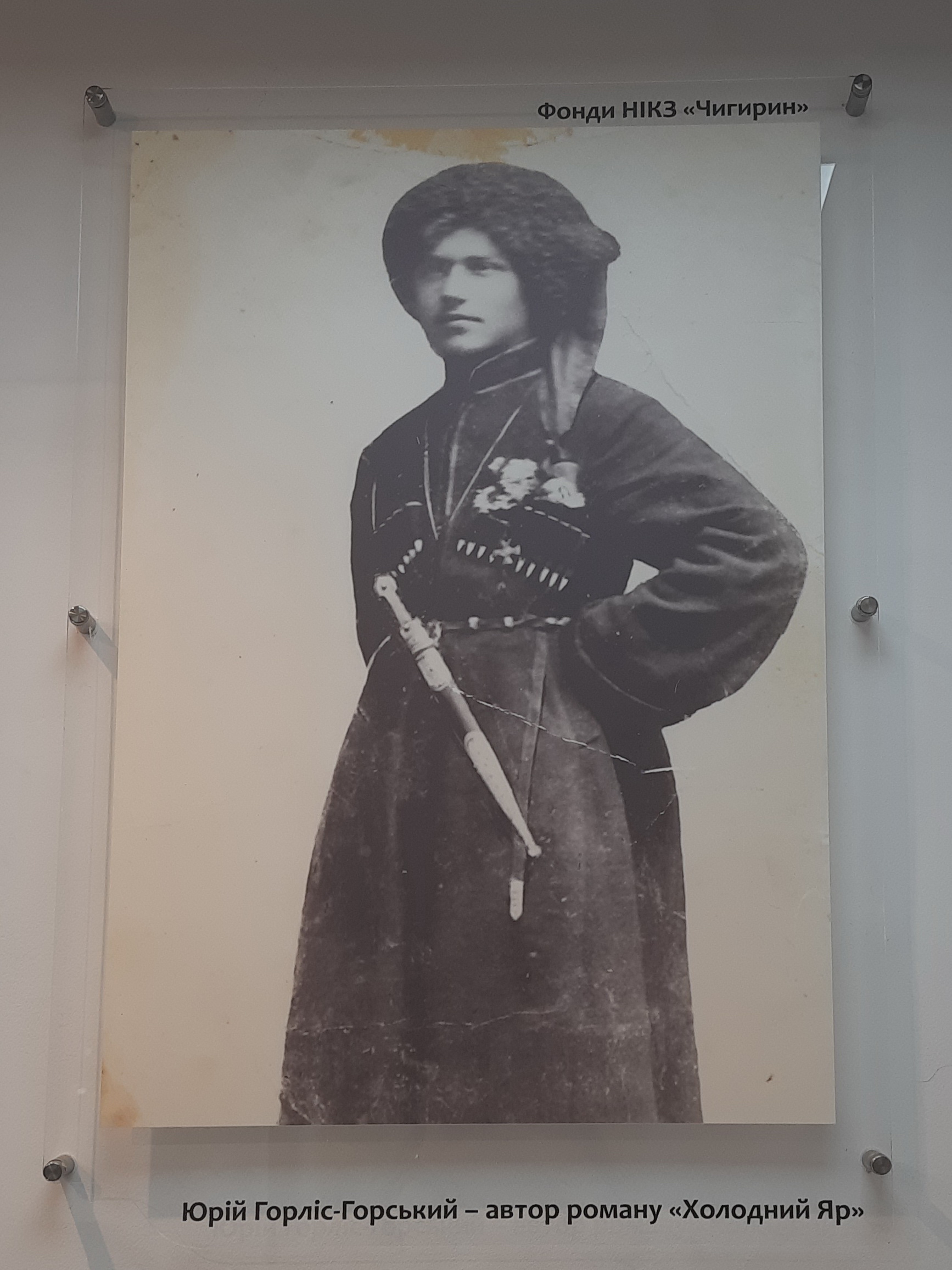
Researcher of the Liberation Movement, writer and author of numerous books about the Ukrainian insurgent movement, Roman Koval, played a crucial role in returning this work to contemporary readers by recovering Horlis-Horskyi's archive and republishing the book ten times. Koval insists that calling the book a "novel" diminishes reality:
"The events, were so dramatic that no fictionalisation was needed."
He also emphasises the documentary nature of the book, personally verifying even its most tragic episodes to demonstrate that what Horlis-Horskyi told was not literary invention but documented reality.
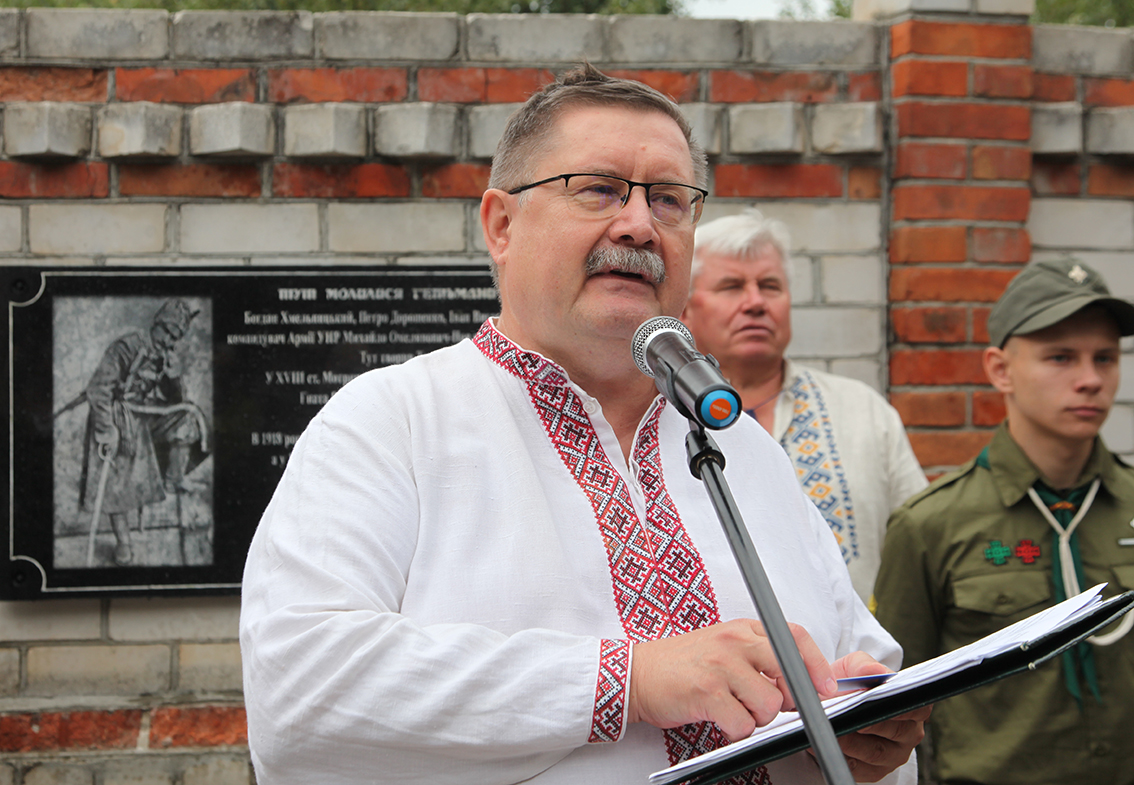 http://)
Roman Koval also founded the Historical Club "Kholodnyi Yar," which united descendants of fighters, researchers and civic activists to restore a chapter of history suppressed under Soviet rule.
Through grassroots initiatives, from restoring graves to installing memorials, the club helps turn Kholodnyi Yar from a silenced past into a living landscape of memory.
"Without our work," Koval says, "Kholodnyi Yar would have remained just a forest," describing the process as the recovery of a "submerged Atlantis of heroic history" returned to Ukraine as a source of dignity and continuity.
Roman Koval was also one of the central figures behind the creation of The Memorial in Kholodnyi Yar - a network of sites spread across the forested landscape: graves of resistance fighters, commemorative crosses, plaques and newly erected monuments, created over time by civic initiatives rather than by the state.
UkraineWorld spoke with Diana Kozyr, a cultural organiser, host and one of the founders of the Neskorena Natsiia ("Unbroken Nation") Festival - Kholodnyi Yar.
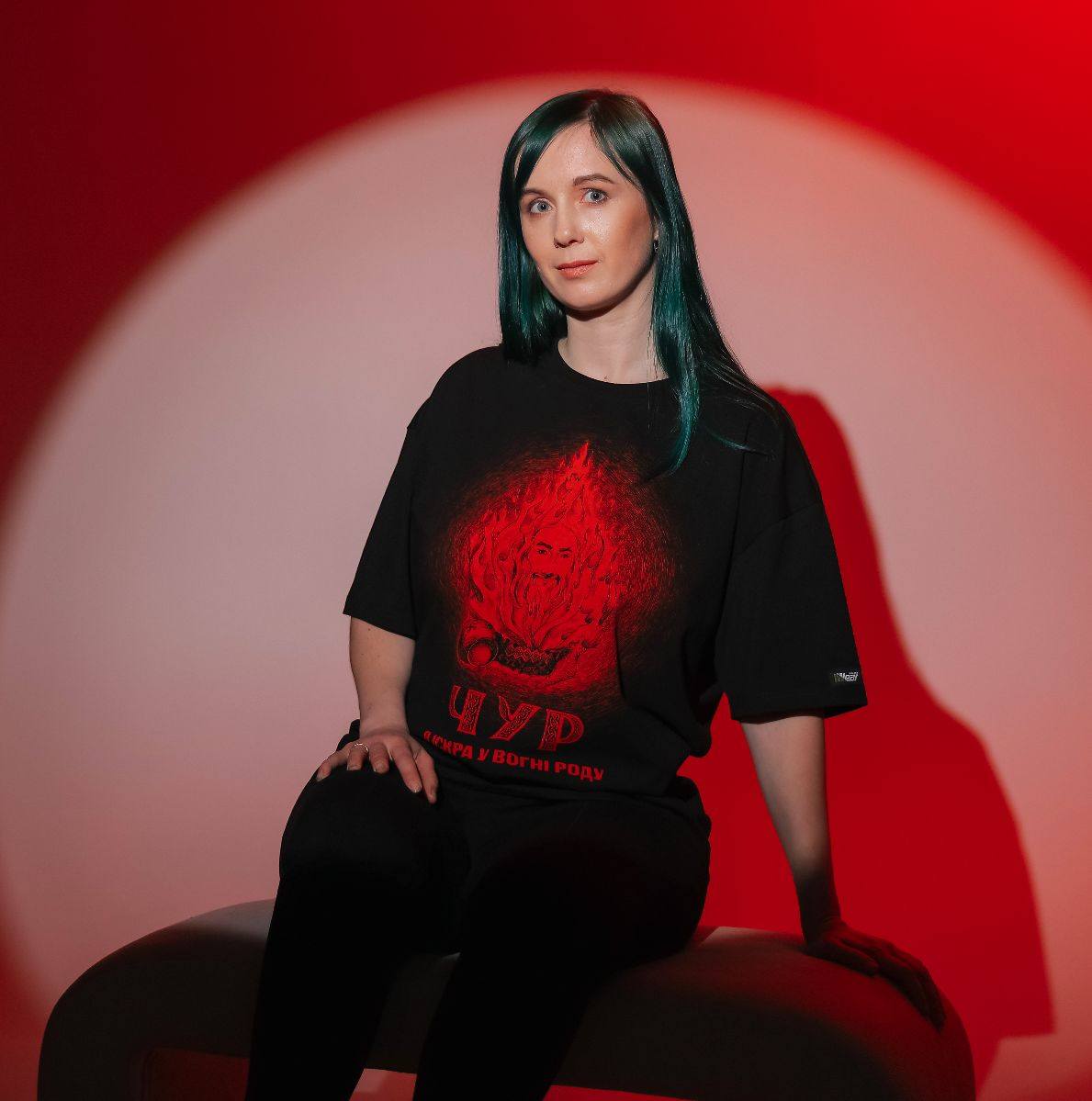
Created to bring together socially conscious young people and introduce those eager to learn about Ukrainian history through engaging, non-traditional formats. The festival aims to build a community of Ukrainians ready to act today by strengthening civic bonds and, if necessary, defending their country. It also aims to place Kholodnyi Yar within a long historical arc, from ancient Scythian sites through the Cossack and Haidamak eras to the liberation struggles of the twentieth century, showing that resistance here endured longer than anywhere else.
"Kholodnyi Yar is often remembered as a story of defeat, but it is also a story of those who resisted the occupiers the longest and found strength even in seemingly hopeless conditions," Diana states.
The festival deliberately avoids focusing on tragedy and loss, choosing instead a language that emphasises dignity, resilience and a vision of a strong future.
Yurii Ruf, a Ukrainian poet, public intellectual, and soldier, played an important role in the festival, both publicly and symbolically. He co-hosted the event, becoming one of its central voices. He was killed in Russia's war in April 2022.
UkraineWorld also spoke with Yurii Romancha, a civic activist, cultural organiser, and founder of the Krutyi Zamis festival, which could be literally translated as "bold mix". Here, history, music and civic education intersect
. Launched in 2018, the initiative revived local crafts like pottery and folk art to reconnect people, especially children, with traditions.
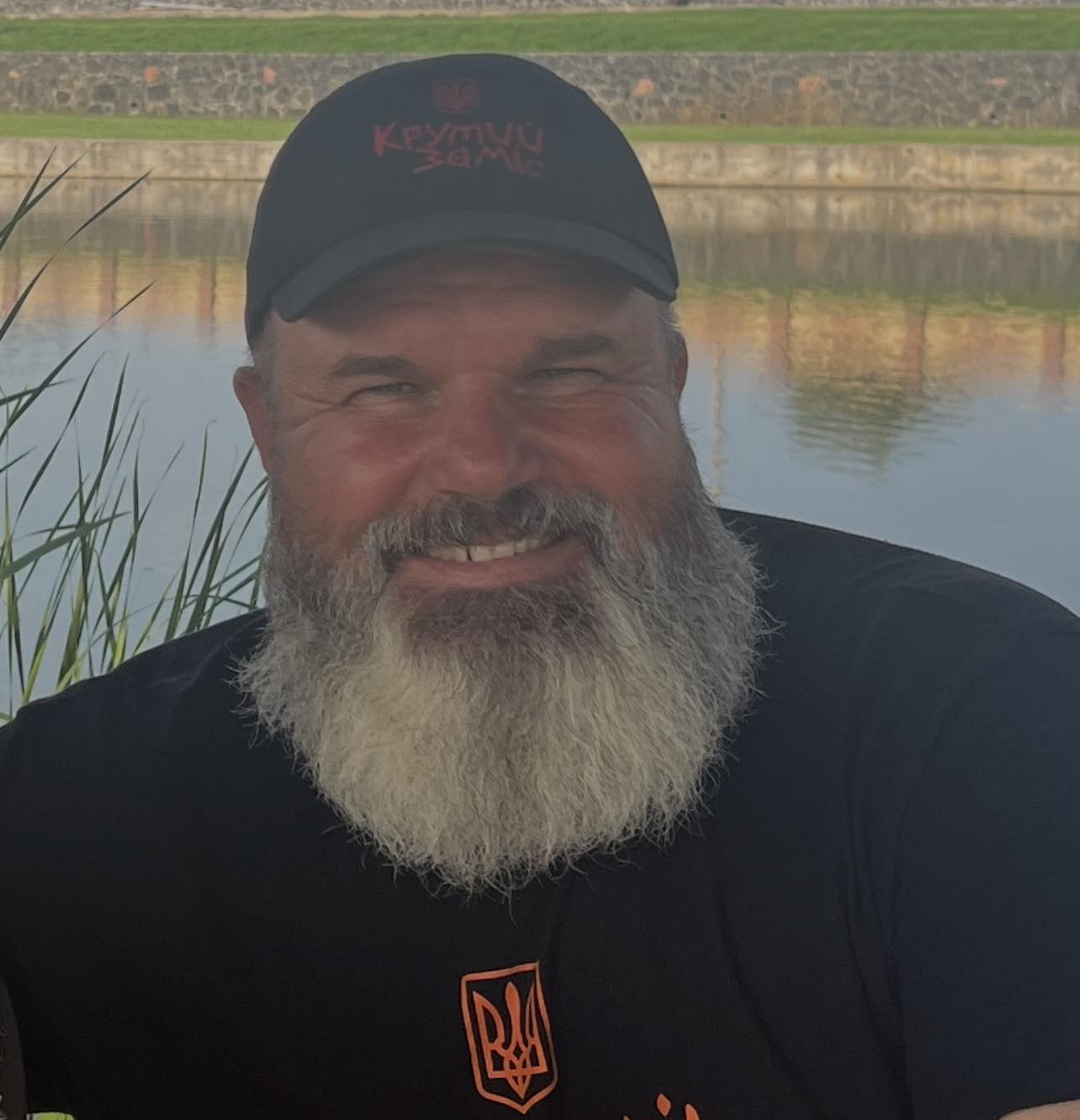
After Russia's full-scale invasion, the team continued its work at the request of Ukrainian soldiers, transforming cultural gatherings into spaces where families could meet, create, and funds could be raised directly for frontline units. Beyond the festival format, Krutyi Zamis operates as an open community space offering workshops, informal rehabilitation and everyday encounters grounded in local tradition.
The 93rd Mechanised Brigade of the Armed Forces of Ukraine deliberately chose the name Kholodnyi Yar as a statement of historical continuity. Among those connected to this legacy was Roman "Seneca" Ratushnyi, an intelligence officer of the 93rd Brigade, a journalist and civic activist, who defended the Protasiv Yar area in Kyiv against illegal construction. Since the full-scale Russian war, he fought in the battles near Kyiv and later Izium, where he was killed in June 2022.
According to Vita Makariuk, head of the Kholodnyi Yar branch of the Chyhyryn National Historical and Cultural Reserve, remembrance must extend beyond heroes of the past and include those of the present war.

This continuity is reflected in the permanent exhibition "Kholodnyi Yar: A Land of the Free," which shows the region not as a closed episode but as an ongoing story of resistance, from the Cossack era to today's defenders.

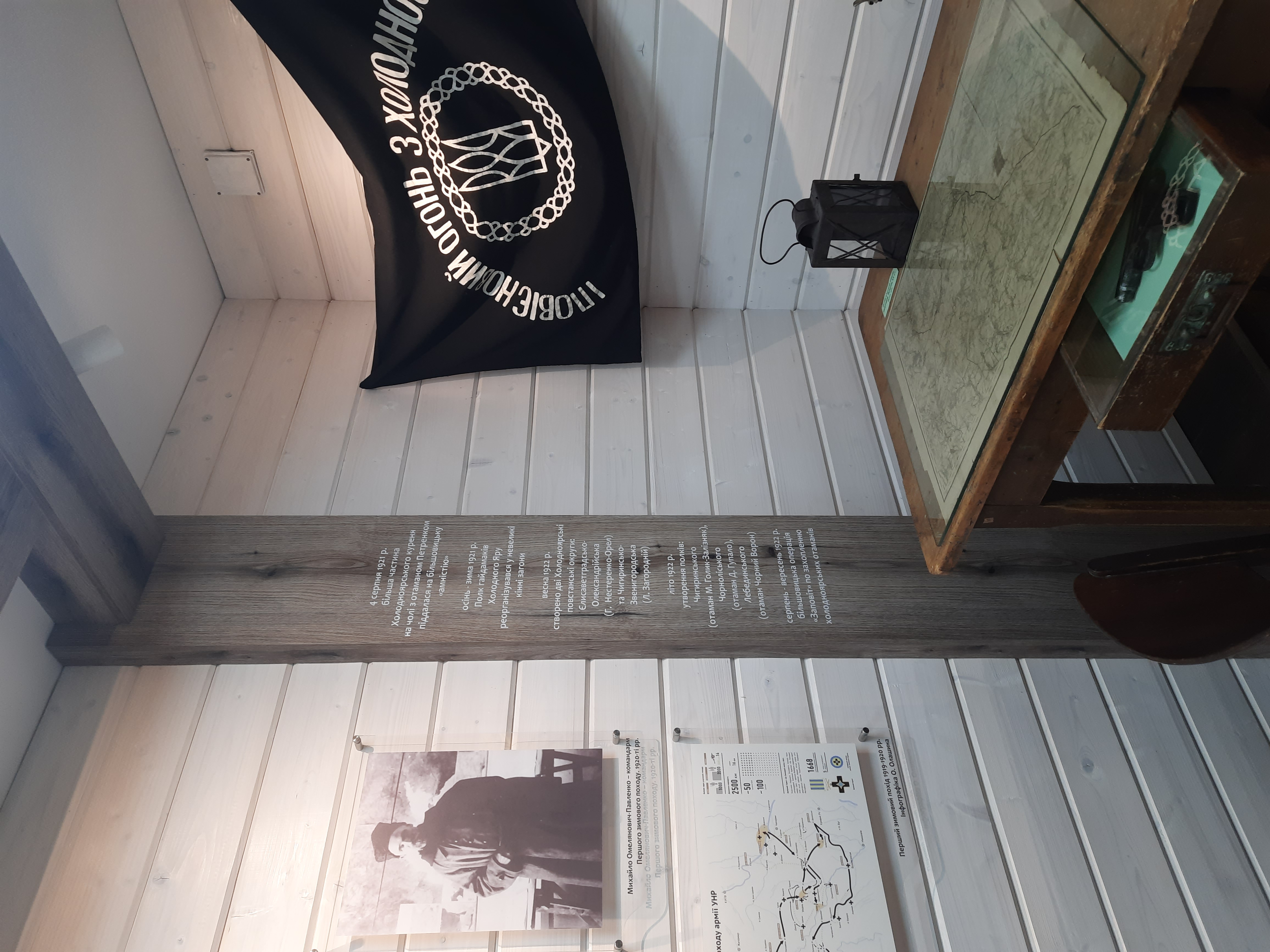
Makariuk notes that some modern fighters consciously chose to bind their memories to this land, even asking that their ashes be scattered over Kholodnyi Yar. One of them was Pavlo Nakonechnyi, a member of the civic initiative Poklyk Yaru, who wished Kholodnyi Yar to hold "more acts of valour than tragic graves." She also told us about Oleksii Nazarchuk, a fallen defender from Kropyvnytskyi who fought with the Carpathian Sich and later with the 5th Assault Brigade. She met Oleksii Nazarchuk's parents when they came to Kholodnyi Yar to fulfil their son's final wish.
To create this text, we spoke with people from various parts of our country. They have different jobs, are of different ages, but the same goal unites them: to keep the story of Kholodnyi Yar known and remembered.
This place proves that Russia, even when it has previously won by force, has failed historically.
Despite decades of Soviet repression and deliberate attempts to silence or distort the truth, the story survived and the truth prevailed.
Today, we see that society, activists, historians and ordinary people who care can and should dismantle imperial myths by restoring evidence, names and lived experience, step by step.
The article is produced by UkraineWorld with the support of the Askold and Dir Fund as a part of the Strong Civil Society of Ukraine - a Driver towards Reforms and Democracy project, implemented by ISAR Ednannia, funded by Norway and Sweden. The contents of this publication are the sole responsibility of UkraineWorld and can in no way be taken to reflect the views the Government of Norway, the Government of Sweden and ISAR Ednannia.
interviewed by


