

For Ukraine, 2026 began with large-scale Russian attacks on the energy system, civilian infrastructure and on civilians themselves. And all this against the backdrop of ongoing talks on a possible "peace deal".
These strikes aim to force Ukraine to capitulate, to accept unfavourable terms to end the war and to wear society down to the point of exhaustion and despair.
This tactic isn't new, but in the winter of 2026, it became especially visible as Ukraine faced cold temperatures not seen for years and Russia deliberately strikes when temperatures drop below zero, to nearly -28 degrees Celsius.
Some aspects of this strategy we have already analysed in detail in Russia's Winter War on Ukraine's Energy and Everyday Life.
UkraineWorld continues to document Russia's deadliest attacks on civilians, as we also did in 2025 and 2024. We focus on those strikes that deliberately targeted civilian infrastructure and killed at least ten people, though the actual number of strikes and victims is much higher.
These records show that what happens this year is not a series of tragic mistakes or miscalculations, but a deliberate strategy carried out over the years.
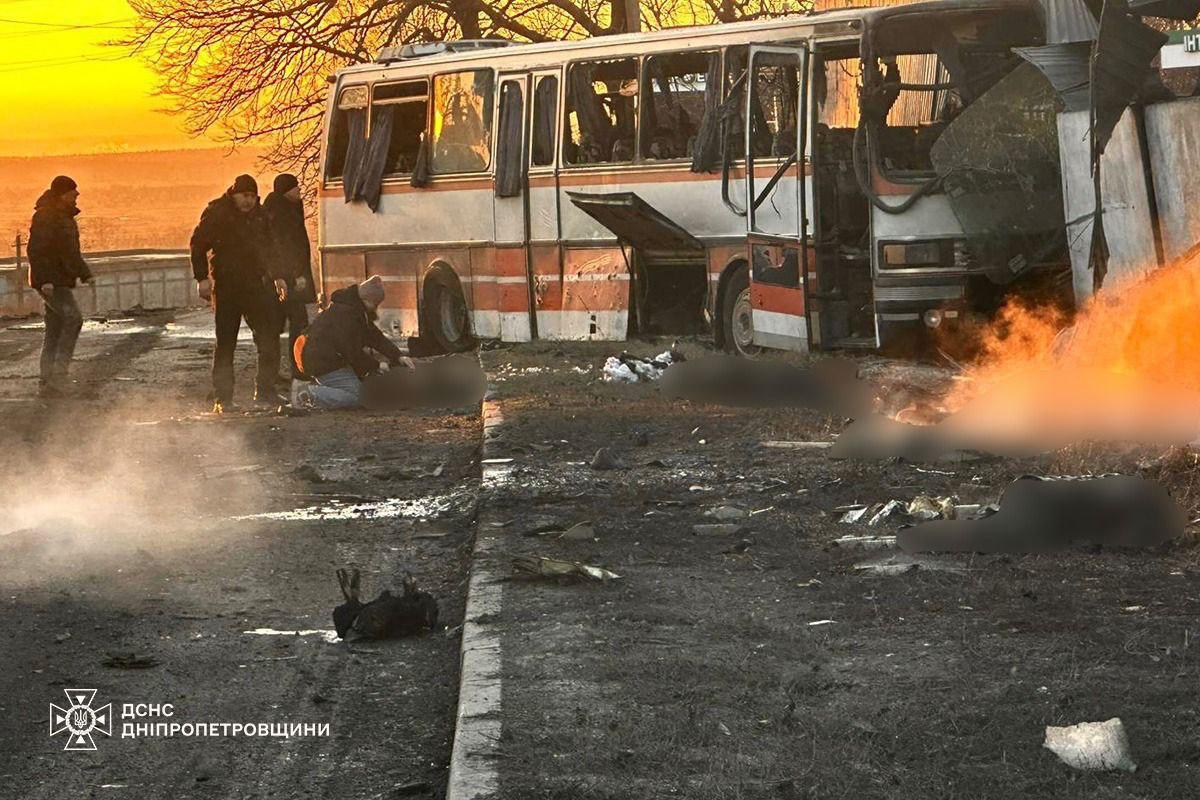
Date: February 1, 2026
Location: near Pavlohrad and Ternivka, Dnipropetrovsk Oblast
Type of attack: Drone strike
Target/damage: A civilian bus transporting miners of DTEK, Ukraine's largest private energy company, to work. The vehicle was not a military target and did not carry any military personnel.
Casualties: 12 civilians killed, 16 were wounded.
The DTEK company described the strike as its largest single loss of life since the start of Russia's full-scale war. The timing during winter, amid broader Russian strikes on Ukraine's energy sector, reinforces the pattern of targeting civilians whose work is essential for keeping the country running.
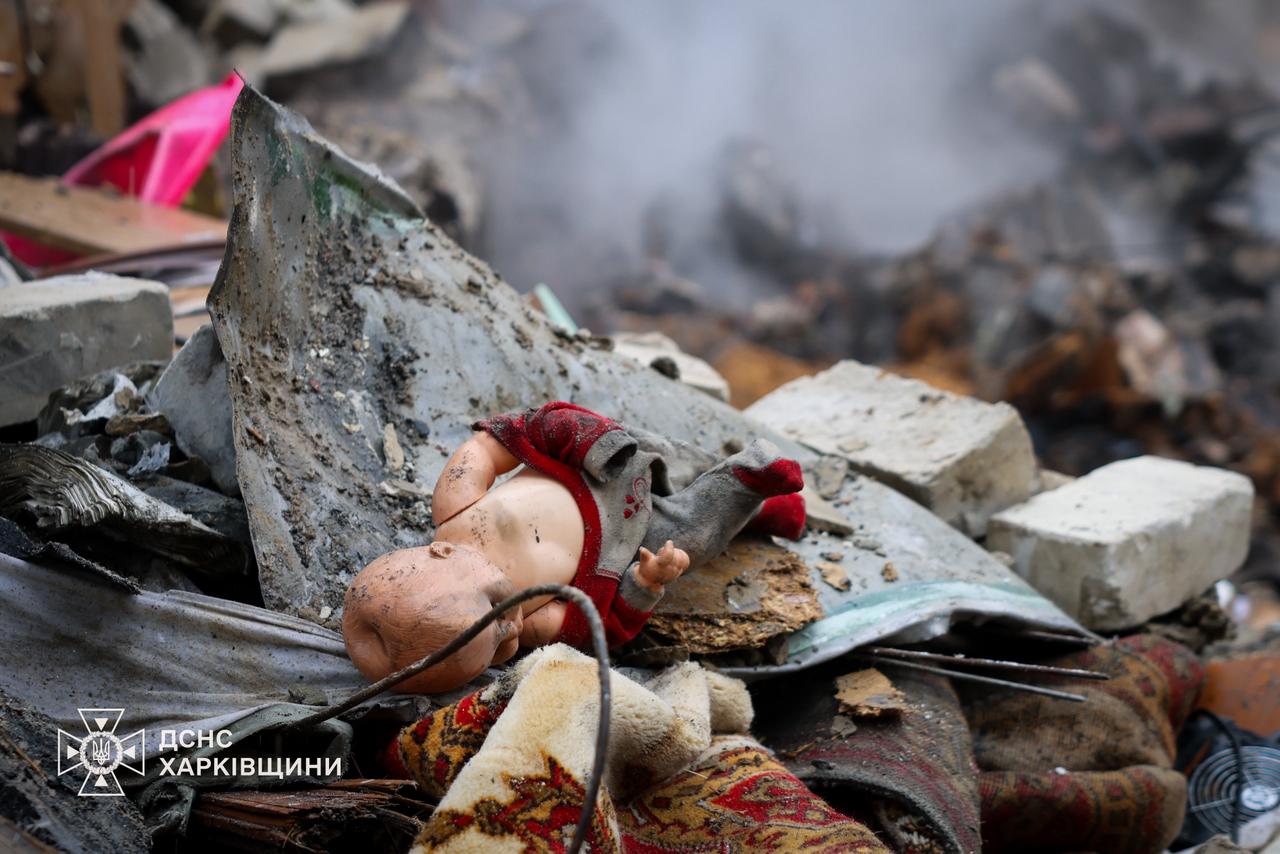
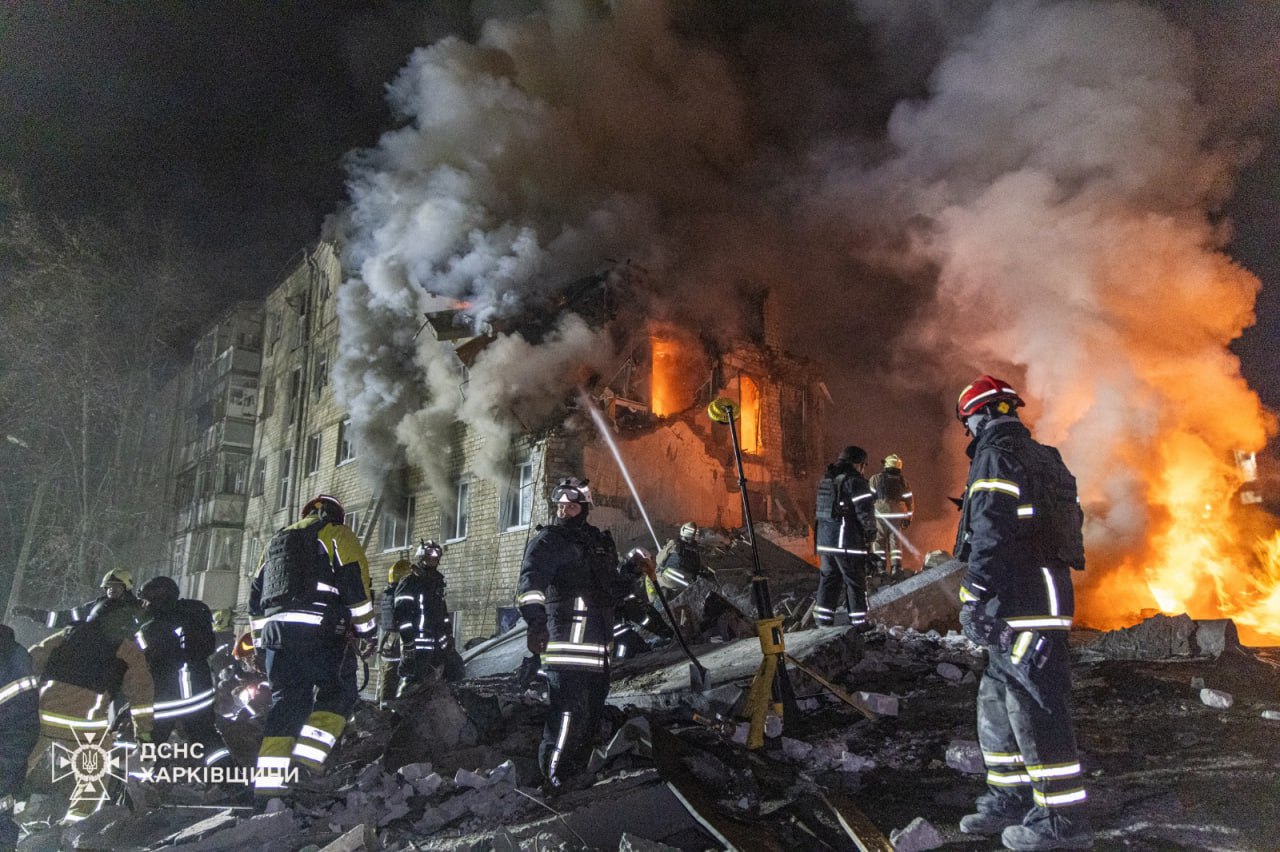
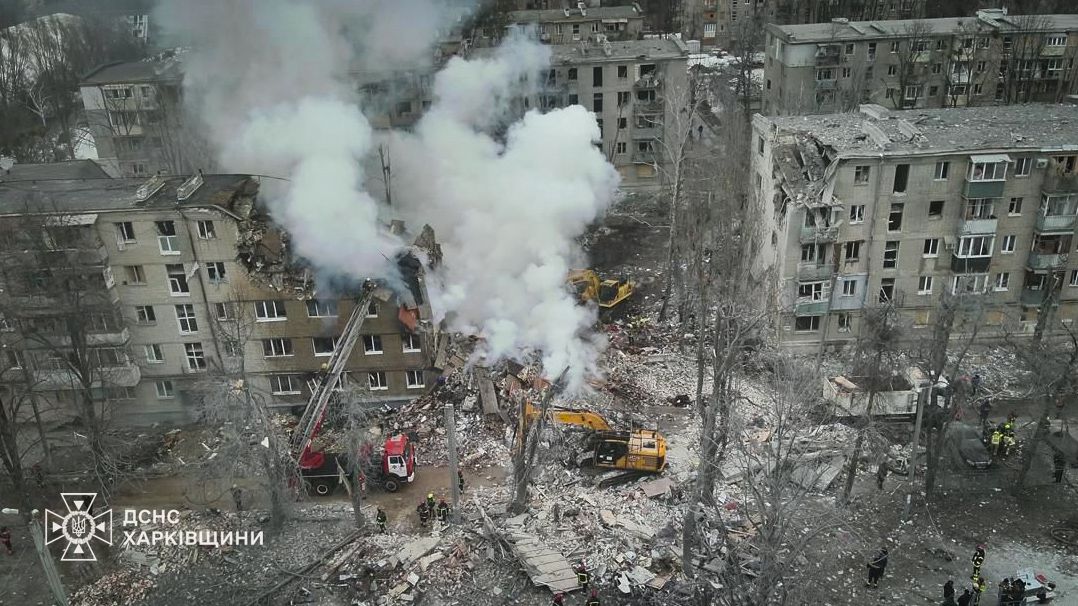
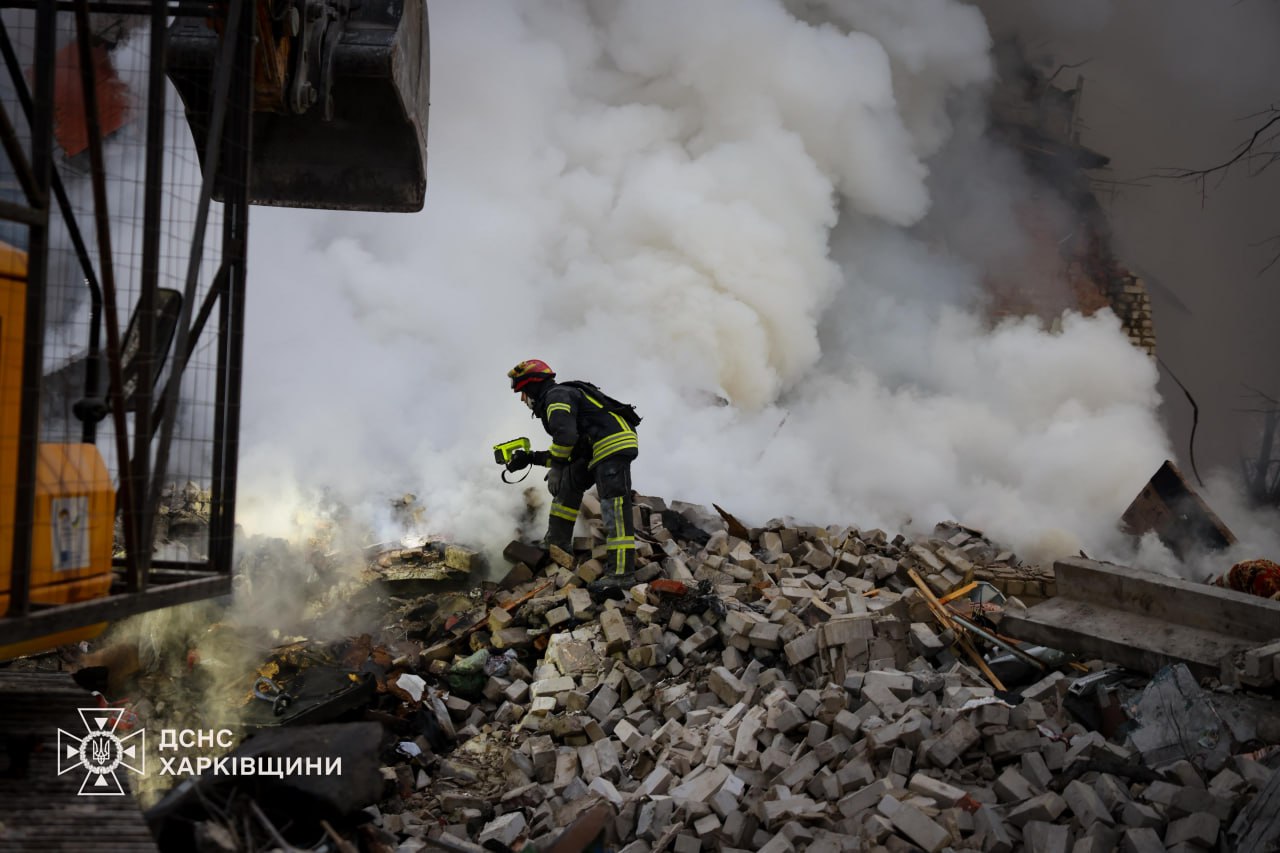
Date: March 7, 2026
Location: Kharkiv
Type of attack: Russian missile strike (reportedly carried out using the newly deployed "Izdeliye-30" missile) aspart of a large-scale overnight missile and drone attack across Ukraine.
Target/damage: A five-story residential apartment building was hit directly. One entrance section of the building was destroyed from the first to the fifth floor. Nearby residential buildings, a school and cars were also damaged. The strike occurred at night while residents were asleep, causing extensive structural collapse and fires. Search and rescue teams worked for several days clearing rubble and searching for survivors.
Casualties: 11 civilians were killed, among victims were 2 children. At least 15-16 people were injured, among them several children.
Among the victims were a 7-year-old boy and a 13-year-old girl. Local authorities reported that dozens of families were inside the building when the missile struck during the night. Ukrainian officials stated that this strike was part of a broader Russian overnight attack oabout 480 drones and 29 rockets, targeting multiple regions of Ukraine. Beyond the primary target, the blast wave damaged nearly 20 nearby high-rises and an educational institution.
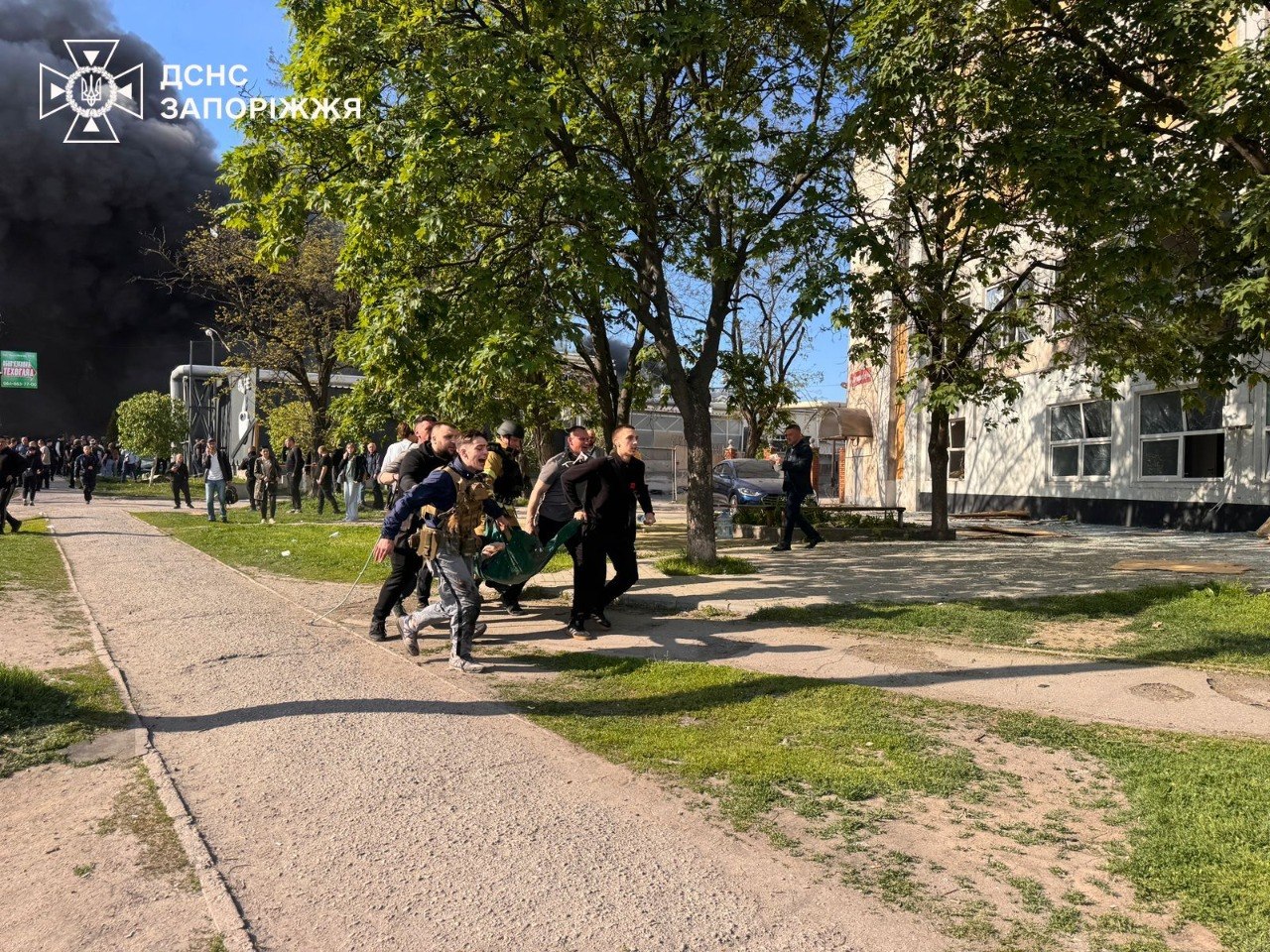
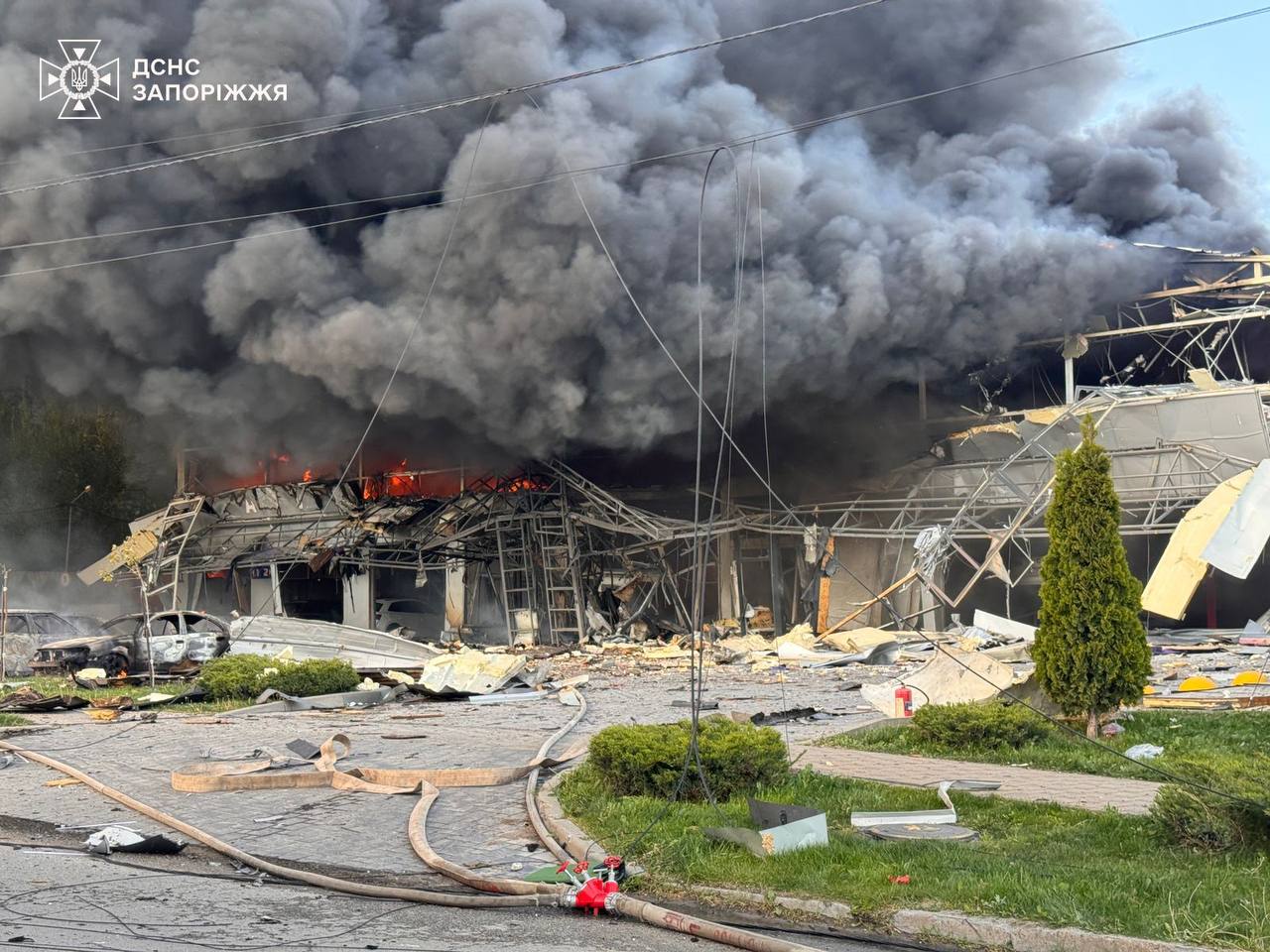
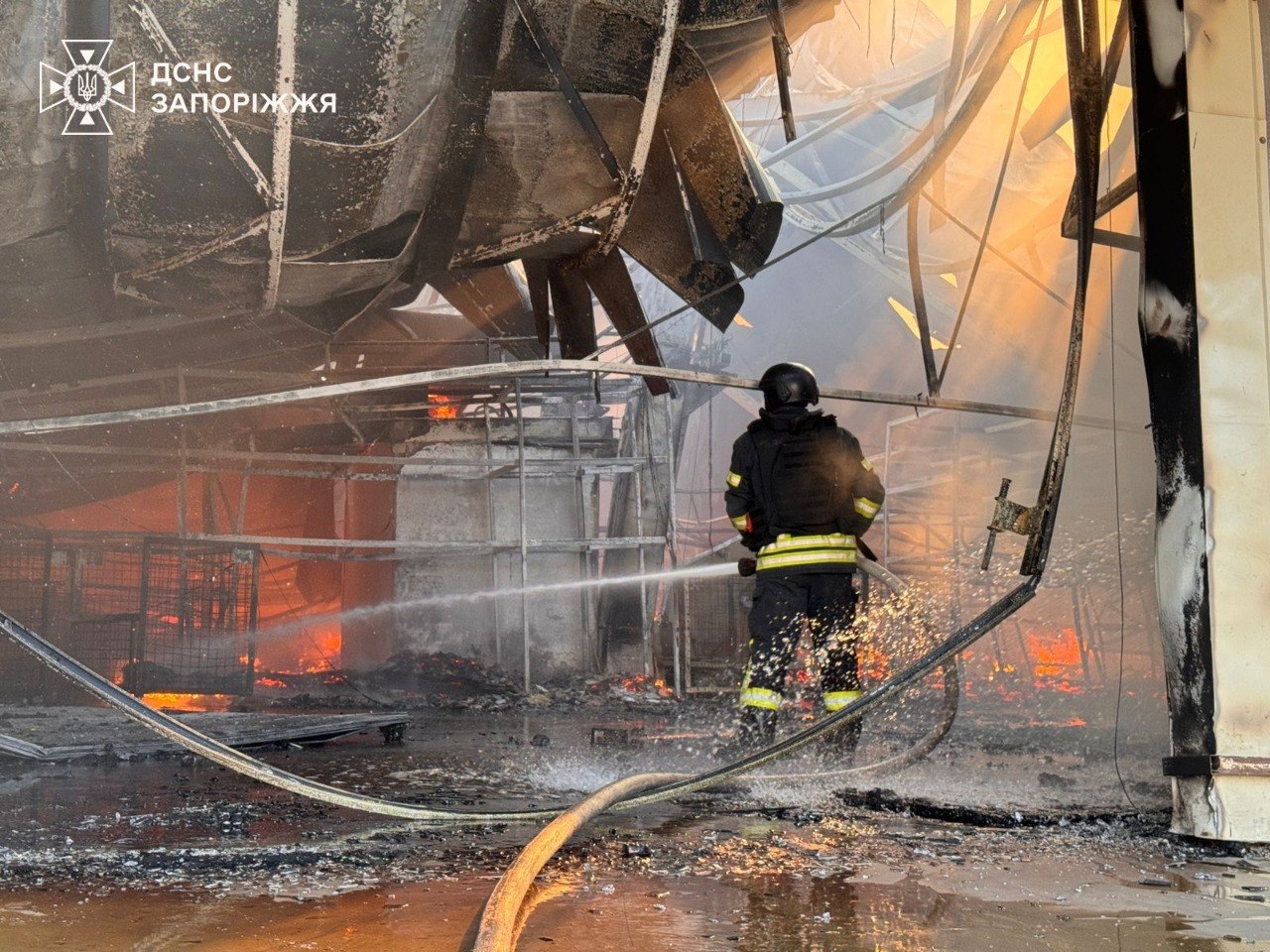
Date: May 5, 2026
Location: Zaporizhzhia
Type of attack: Russian aerial strike (air-delivered bombs as part of a nationwide coordinated attack)
Casualties: 12 civilians killed in Zaporizhzhia (immediately after the strike). 43 injured in Zaporizhzhia.
The strike on Zaporizhzhia involved air-dropped munitions hitting civilian areas, causing multiple simultaneous explosions. Emergency services reported civilian infrastructure as the primary impact zone, including residential and urban areas. Rescue operations lasted throughout the day, with police and State Emergency Service units deployed across the region.
The attack was part of a large-scale multi-regional Russian strike campaign.
Nationwide, 27 people were killed and at least 120 were injured.
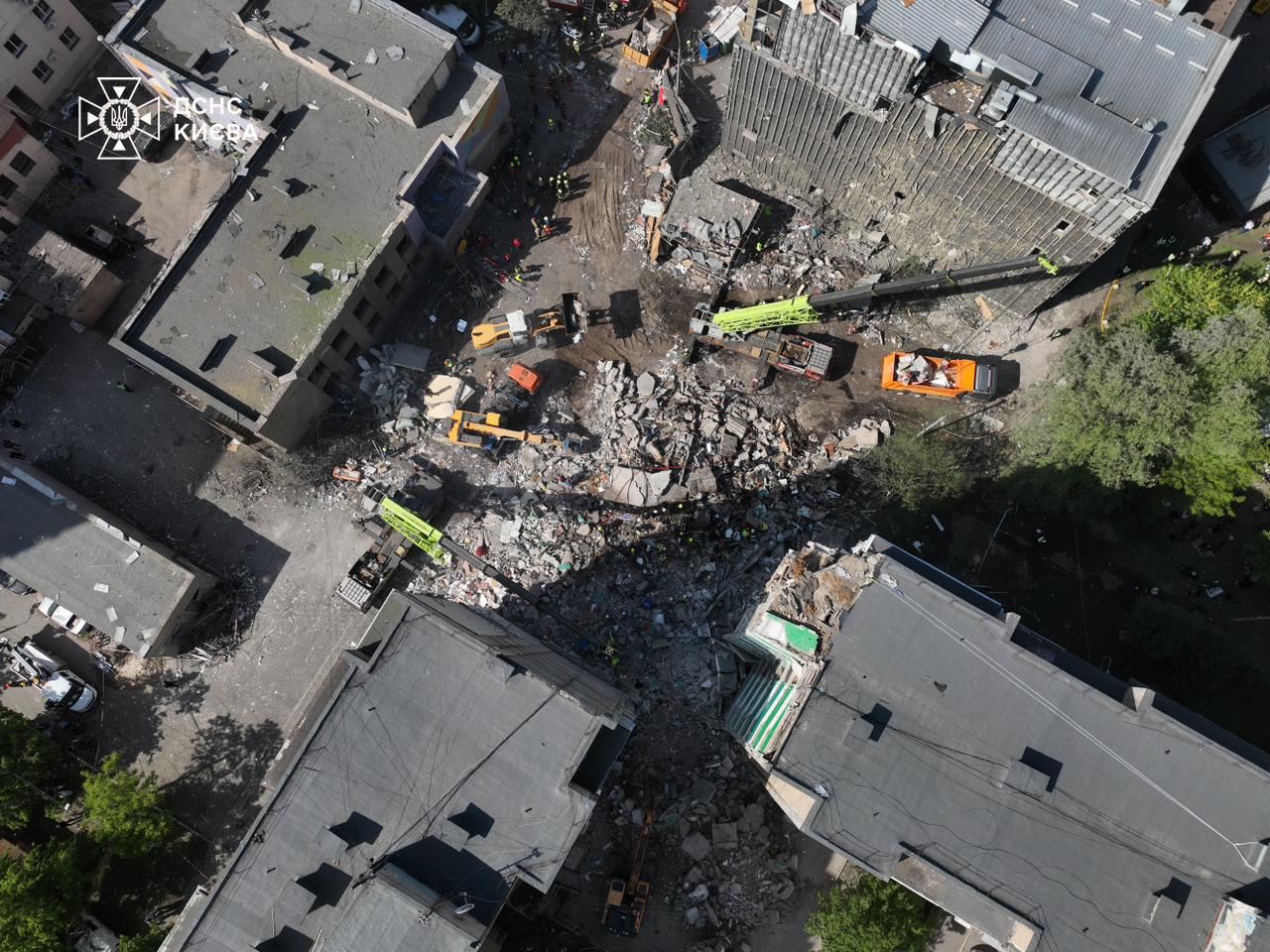
Date: May 14, 2026
Location: Kyiv
Type of attack: Part of a large-scale overnight combined missile and drone attack across Ukraine. (Cruise missiles, including X-101 air-launched cruise missile and drones)
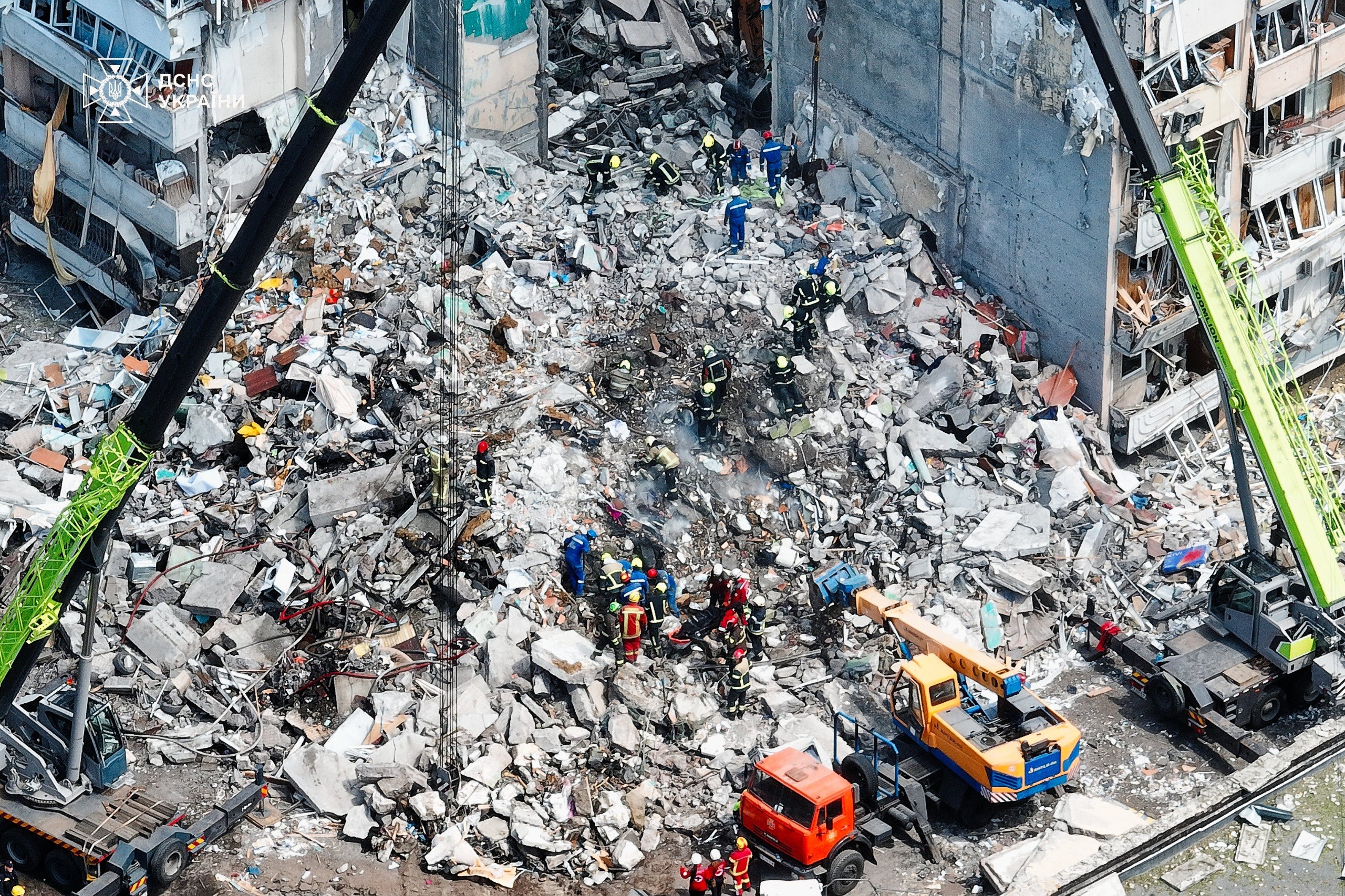
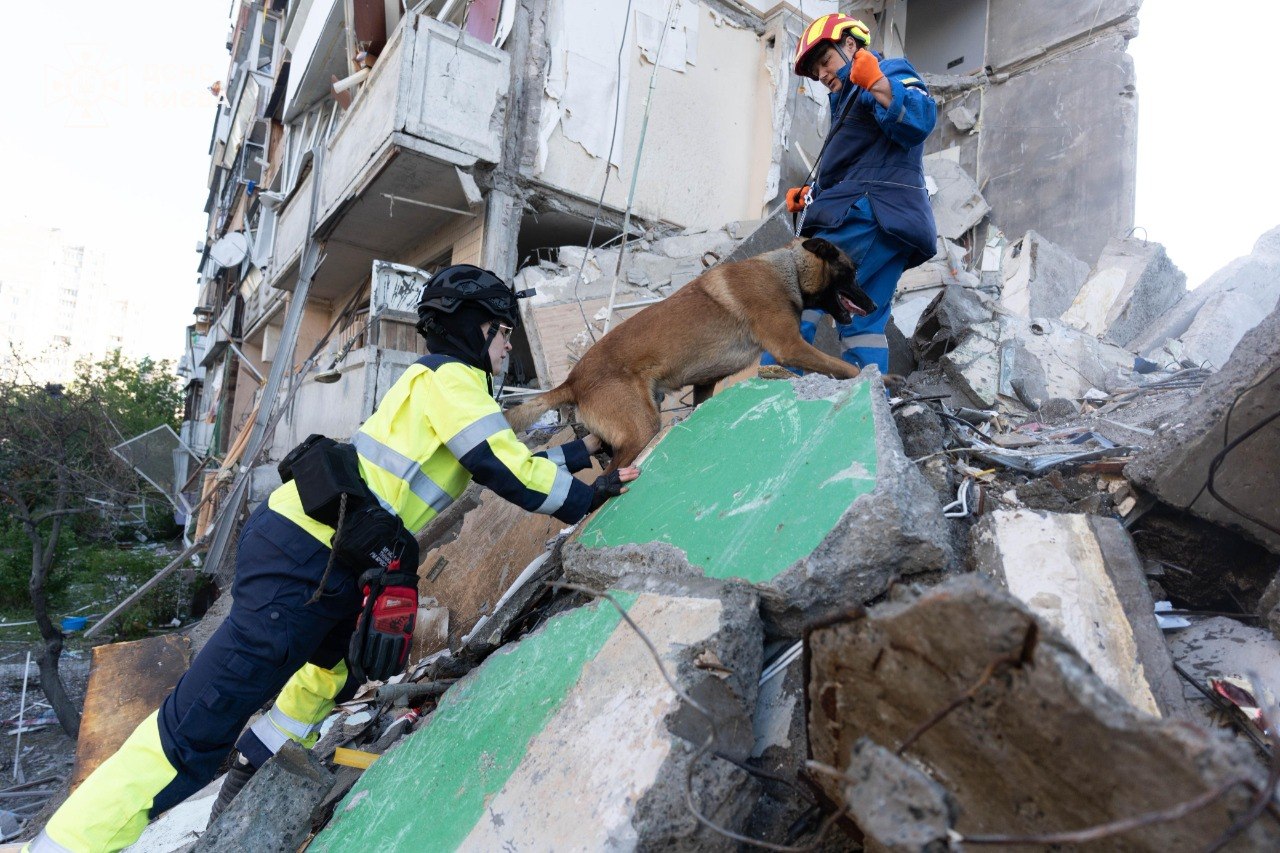
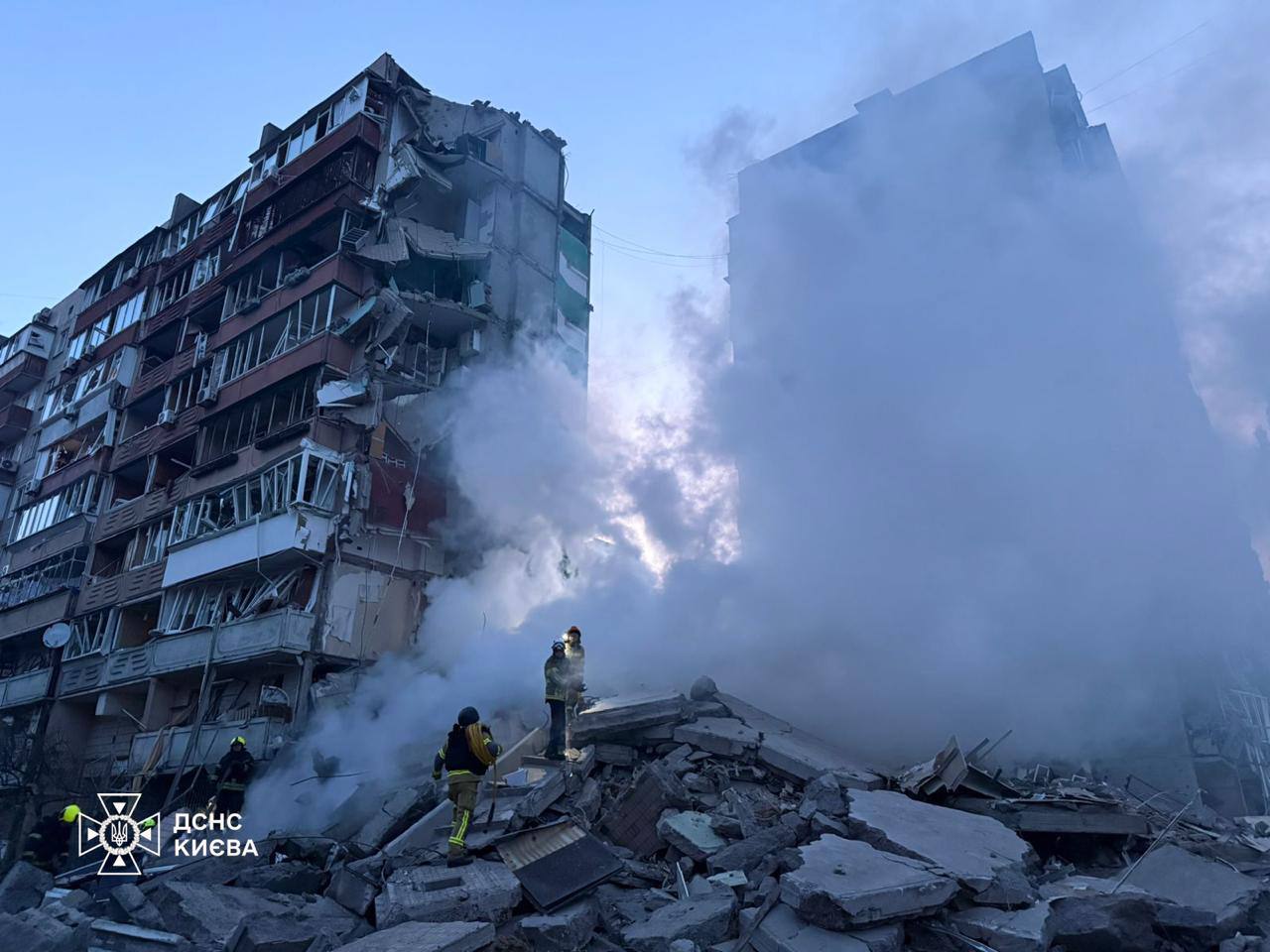
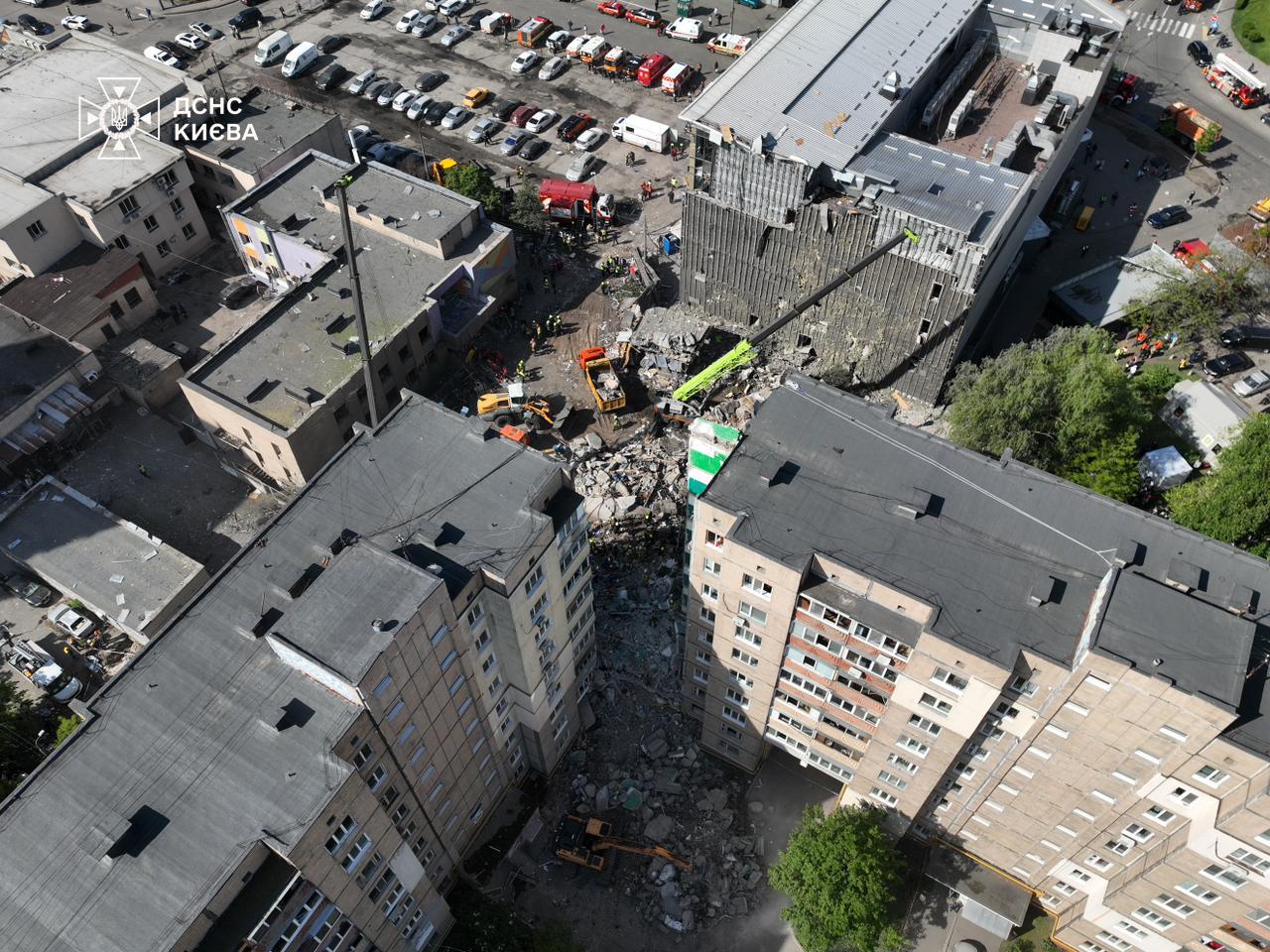
Target/damage: In Darnytskyi district, a section of a 9-storey residential building was destroyed after a direct missile strike, confirmed as a Kh-101 cruise missile impact. The strike caused a stairwell to collapse, trapping residents in apartments and beneath the rubble.
Rescue operations lasted more than 28 hours, involving around 150 rescuers and 50 units of emergency equipment, including robots, K9 units, psychologists and aviation support.
Casualties:
Emergency services conducted search operations across 8 locations in 4 districts of Kyiv.
Infrastructure damage was recorded across multiple districts: Darnytskyi, Dniprovskyi, Shevchenkivskyi, Pecherskyi, Obolonskyi, Solomianskyi, Desnianskyi, Sviatoshynskyi and Holosiivskyi.
The damage occurred in residential buildings, business centres, garages and parking areas, vehicles, energy infrastructure (transformer substation and high-voltage line) and transport and utility disruptions.
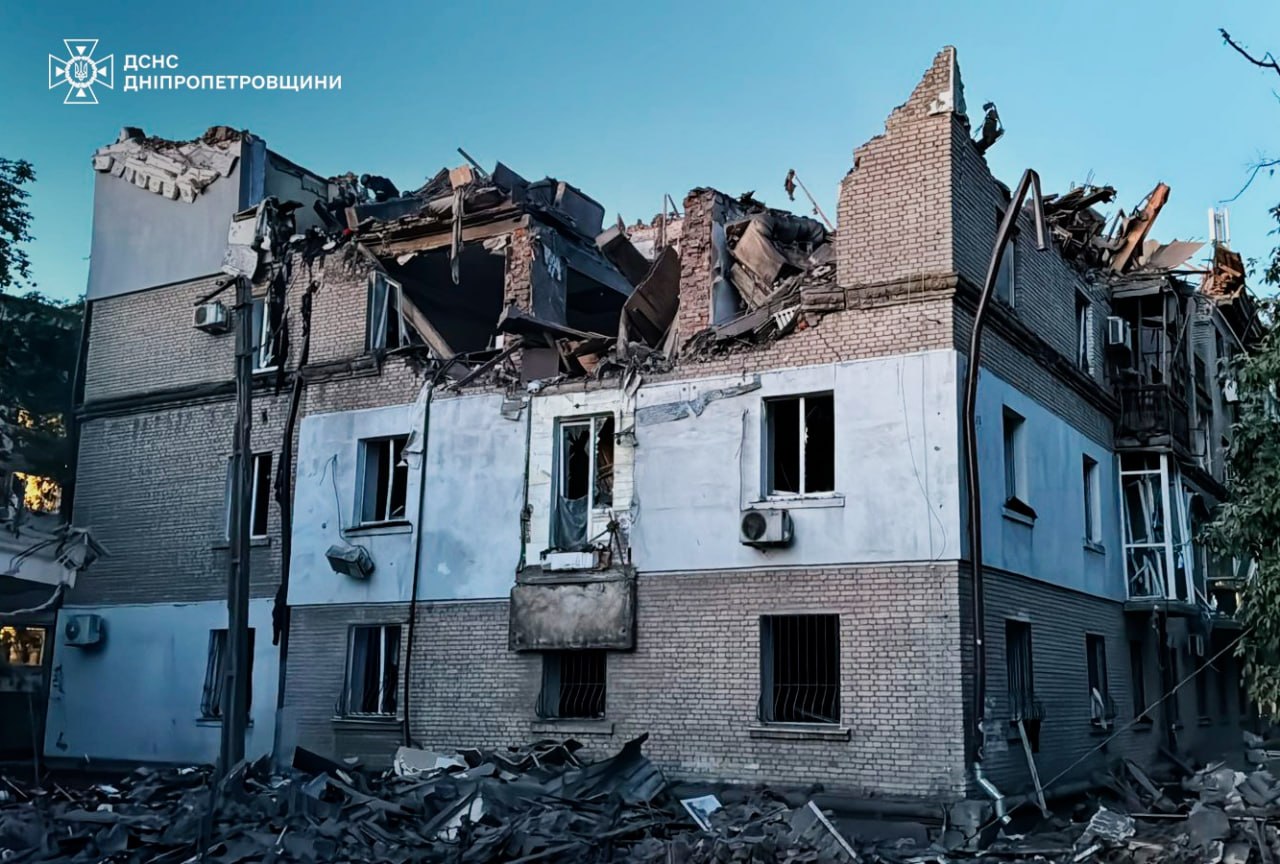
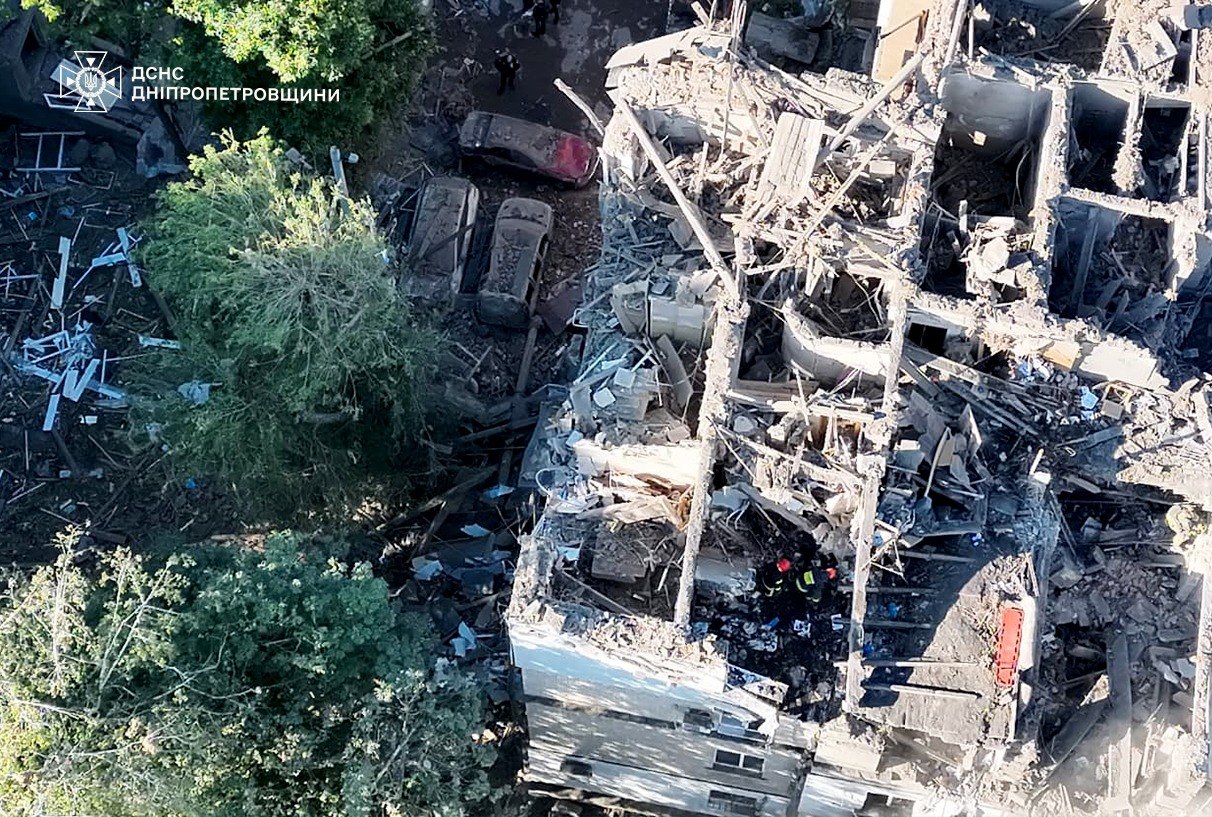
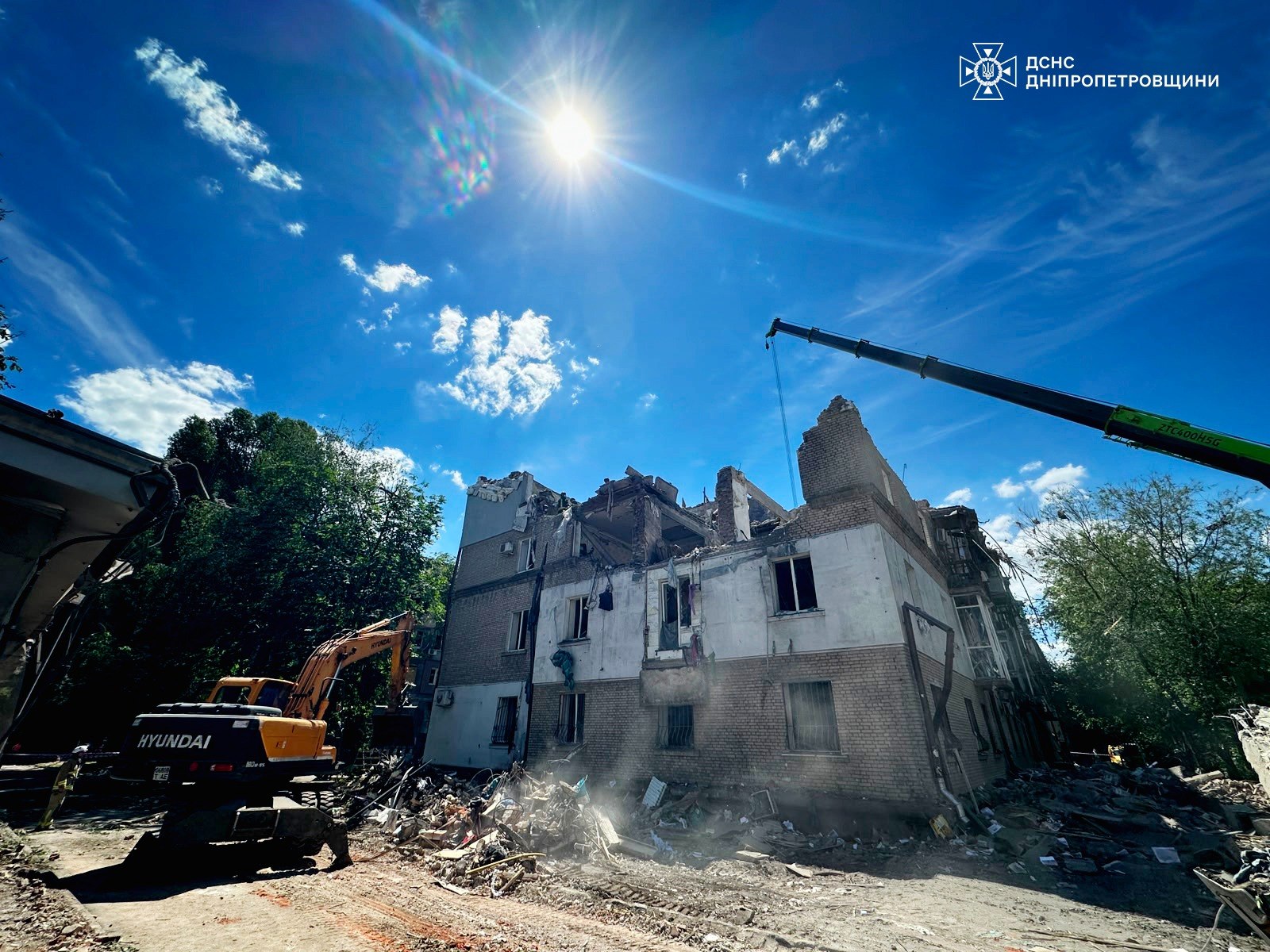
Date: June 2, 2026
Location: Dnipro
Type of attack: Part of a combined nationwide Russian missile and drone attack, including cruise missiles and Shahed-type attack drones. The same night, Kyiv and other regions of Ukraine were also targeted.
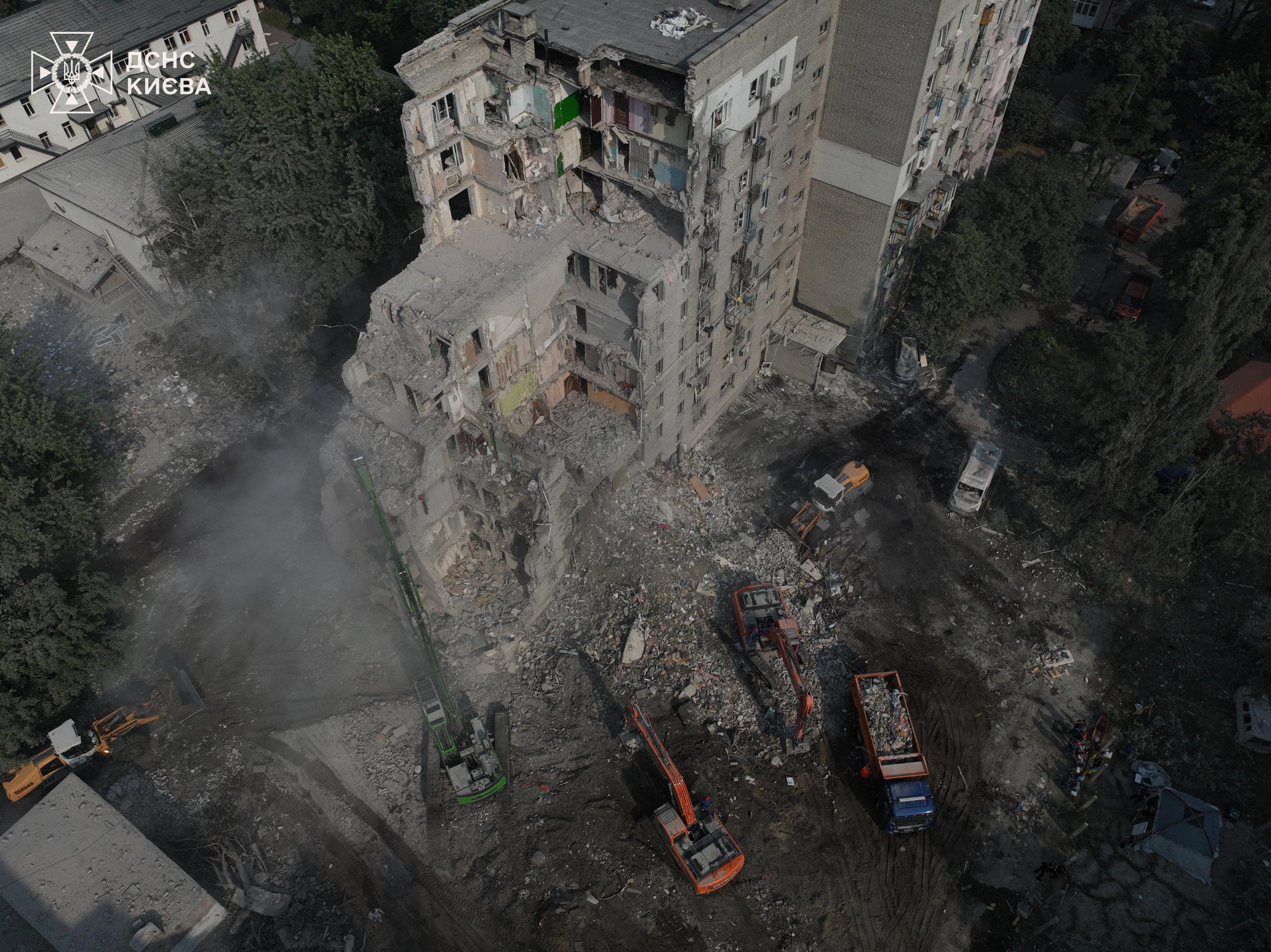
Target/damage: A residential neighbourhood in Dnipro was heavily hit. A four-storey residential building was severely damaged, with people trapped under the rubble. 7 residential buildings were completely destroyed and at least 49 were damaged.
A business facility, fire station, garages and numerous civilian vehicles were damaged or destroyed. Victims suffered shrapnel wounds, fractures, blast injuries, lacerations, and concussion-related trauma.
Casualties:
Authorities reported that Russian forces launched a double-tap attack, striking again while emergency services were already responding to the first impact.
A later strike damaged another apartment building, injuring two children (a brother and sister). One of the victims was Major Anton Yarmolenko, deputy commander of a fire and rescue unit, who was killed while responding to the attack.
Date: July 2, 2026
Location: Kyiv
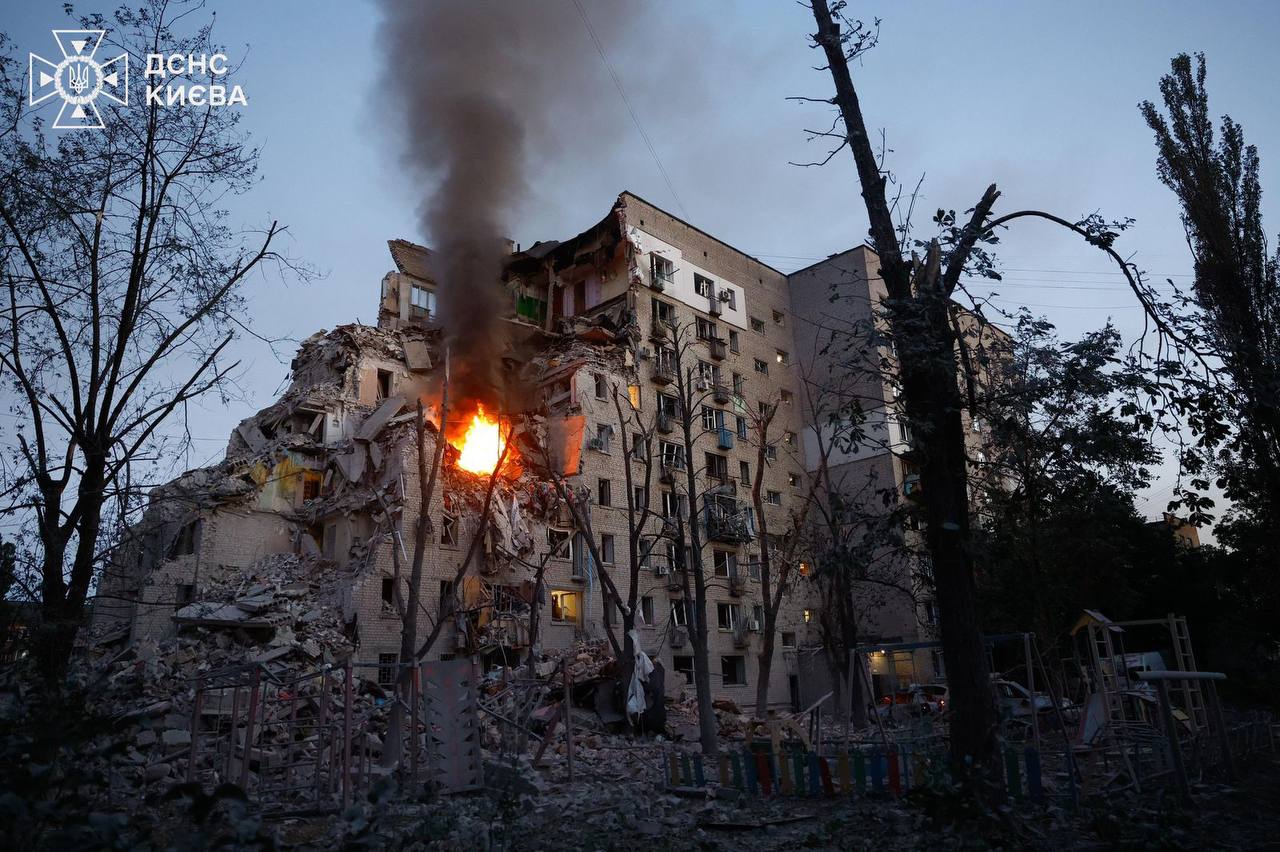
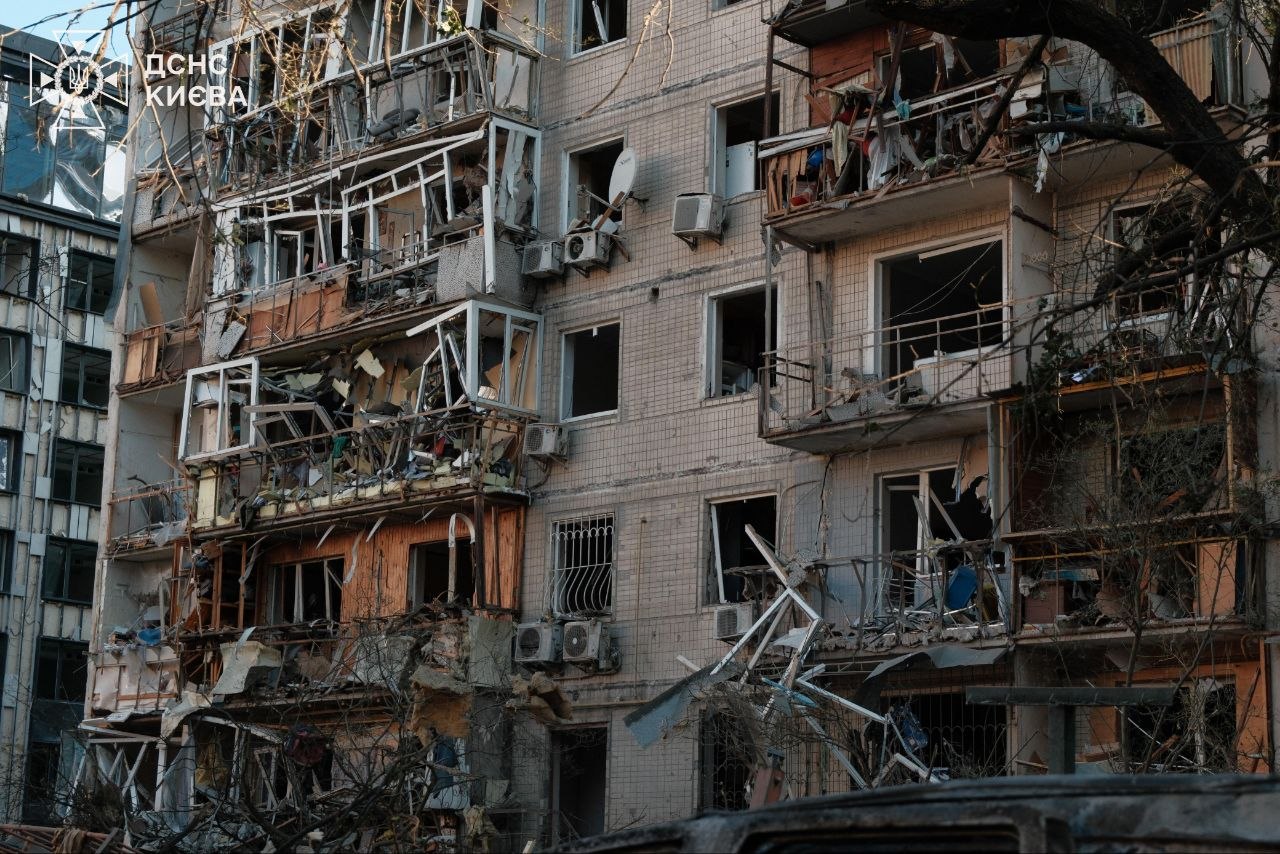
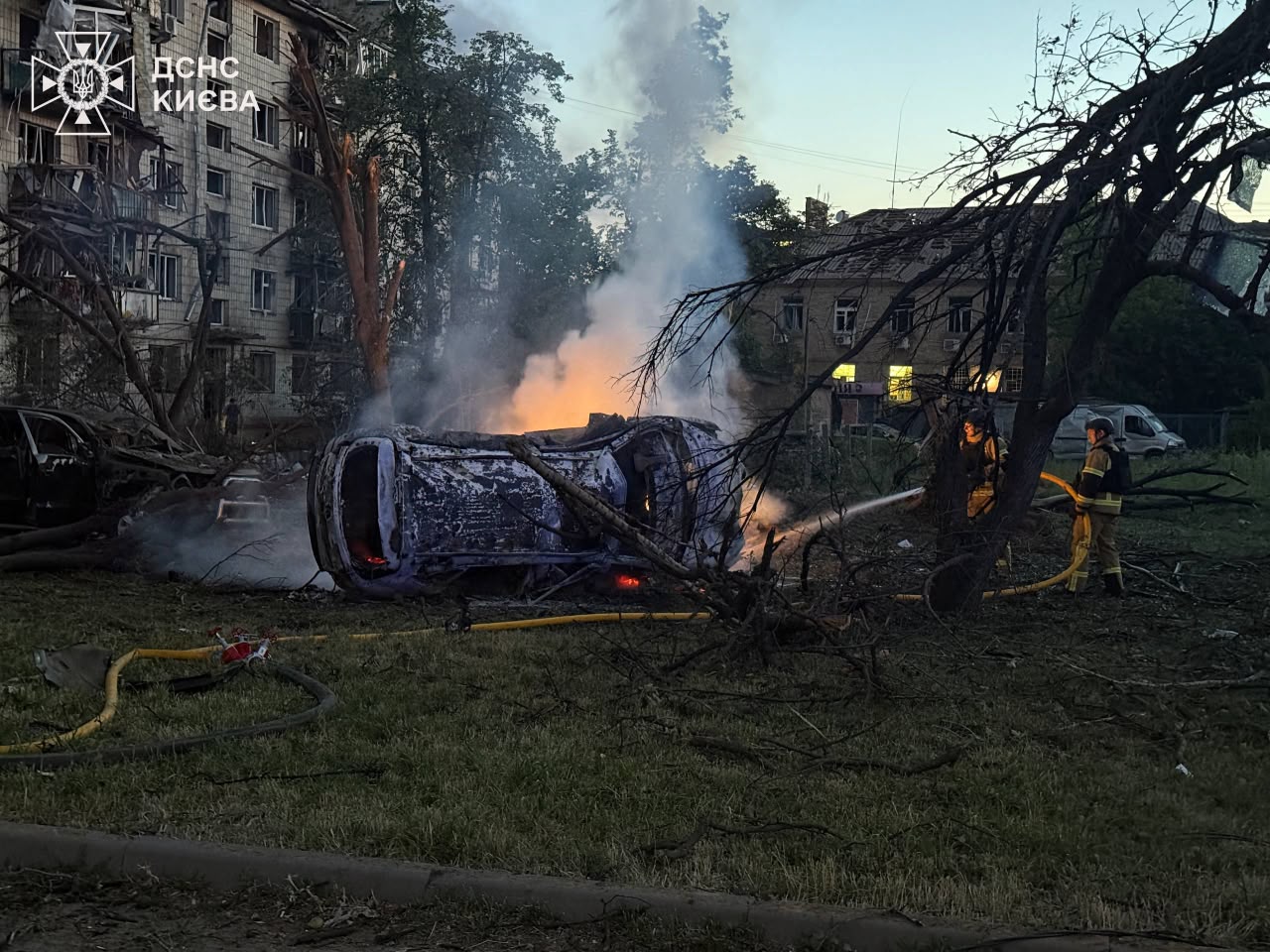
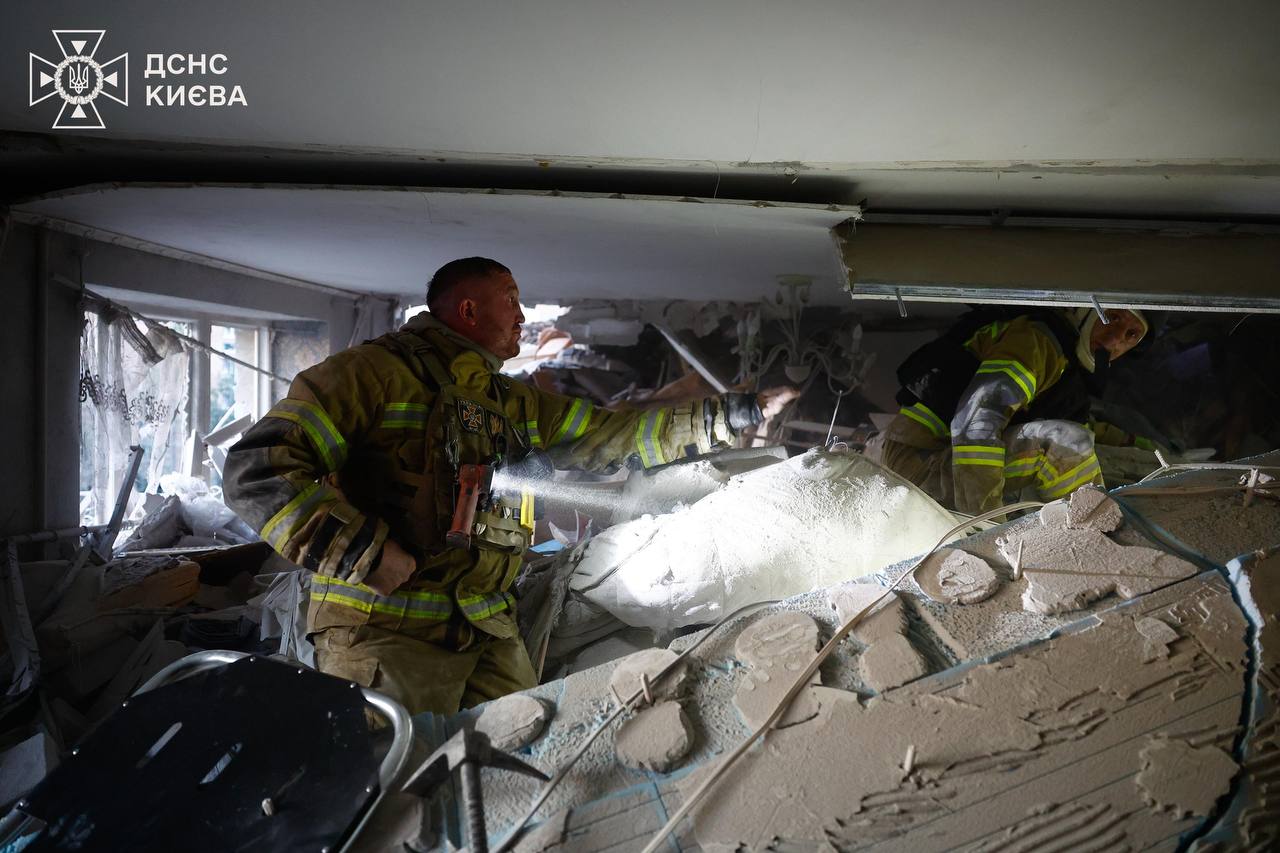
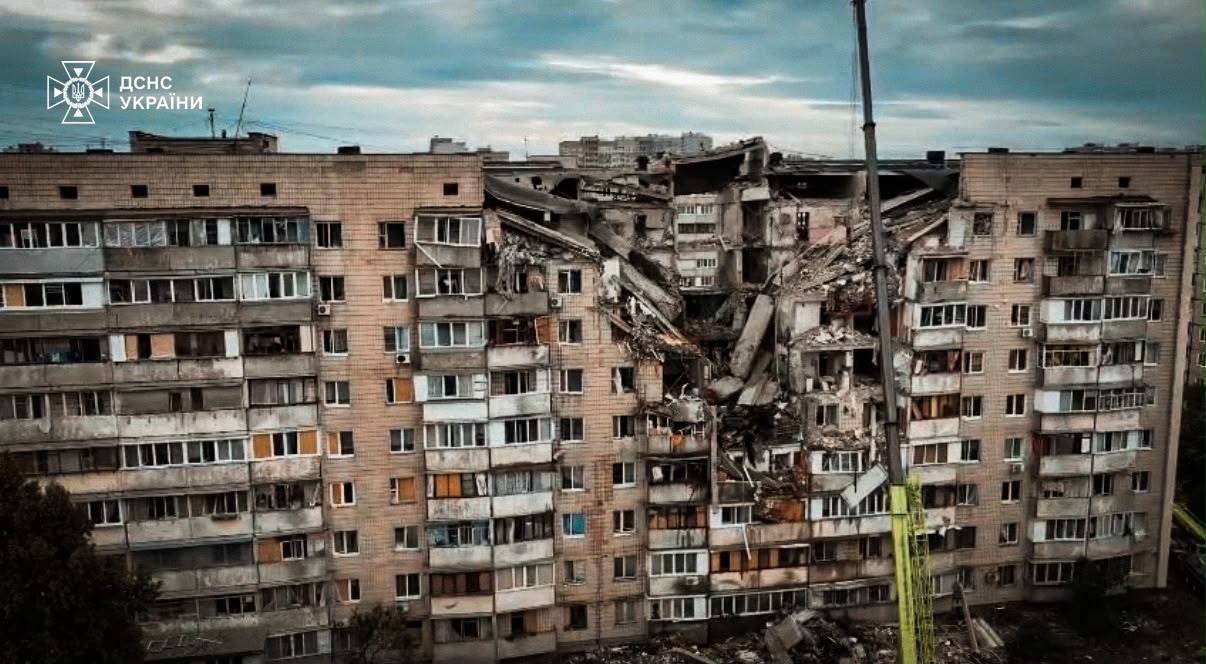
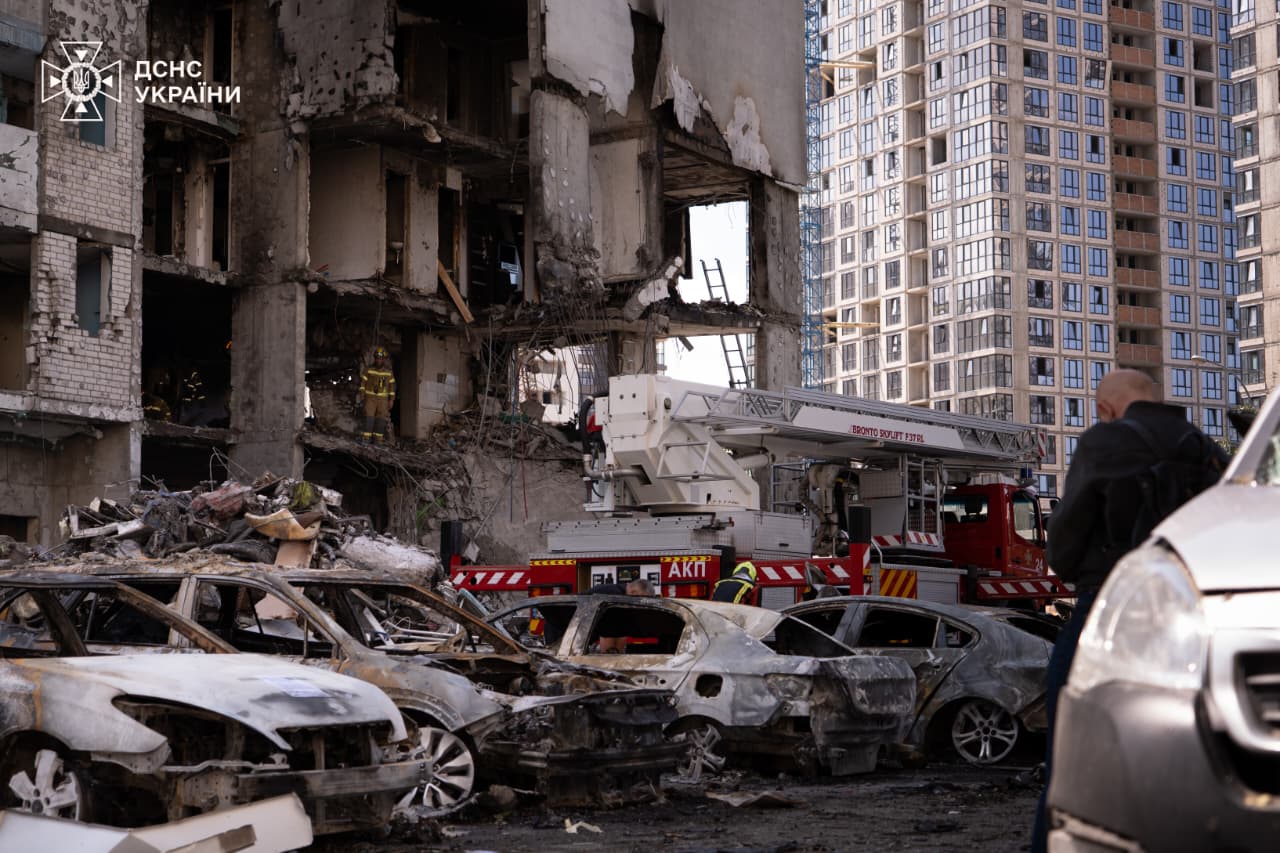
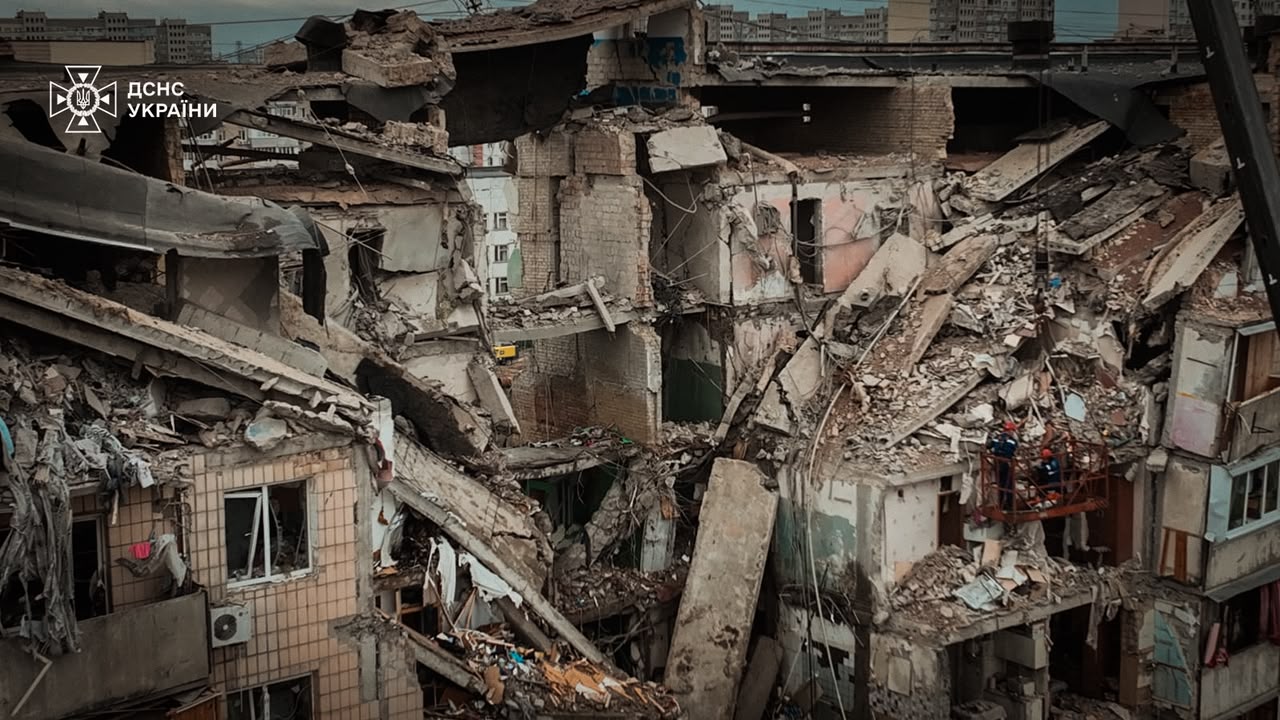
Type of attack: Mass Russian combined missile and drone attack involving 74 missiles and 496 unmanned aerial vehicles of various types. Kyiv was the primary target of the attack.
Target/damage:
Casualties:
The July 2 attack was one of the deadliest assaults on Kyiv in 2026 and one of the largest combined aerial attacks since the beginning of Russia's full-scale invasion. Beyond the high civilian death toll, the strike caused widespread damage to residential buildings and civilian infrastructure across dozens of locations. The prolonged three-day rescue operation underscored the severity of the destruction, with emergency crews recovering victims from beneath the collapsed apartment building until July 4.
Thousands of Kyiv residents spent up to 11 hours in shelters during the overnight missile and drone attack.
The UN Human Rights Monitoring Mission in Ukraine described the attack as part of a growing pattern of Russian long-range strikes against densely populated civilian areas, warning that the use of explosive weapons in urban environments has devastating consequences for civilians.
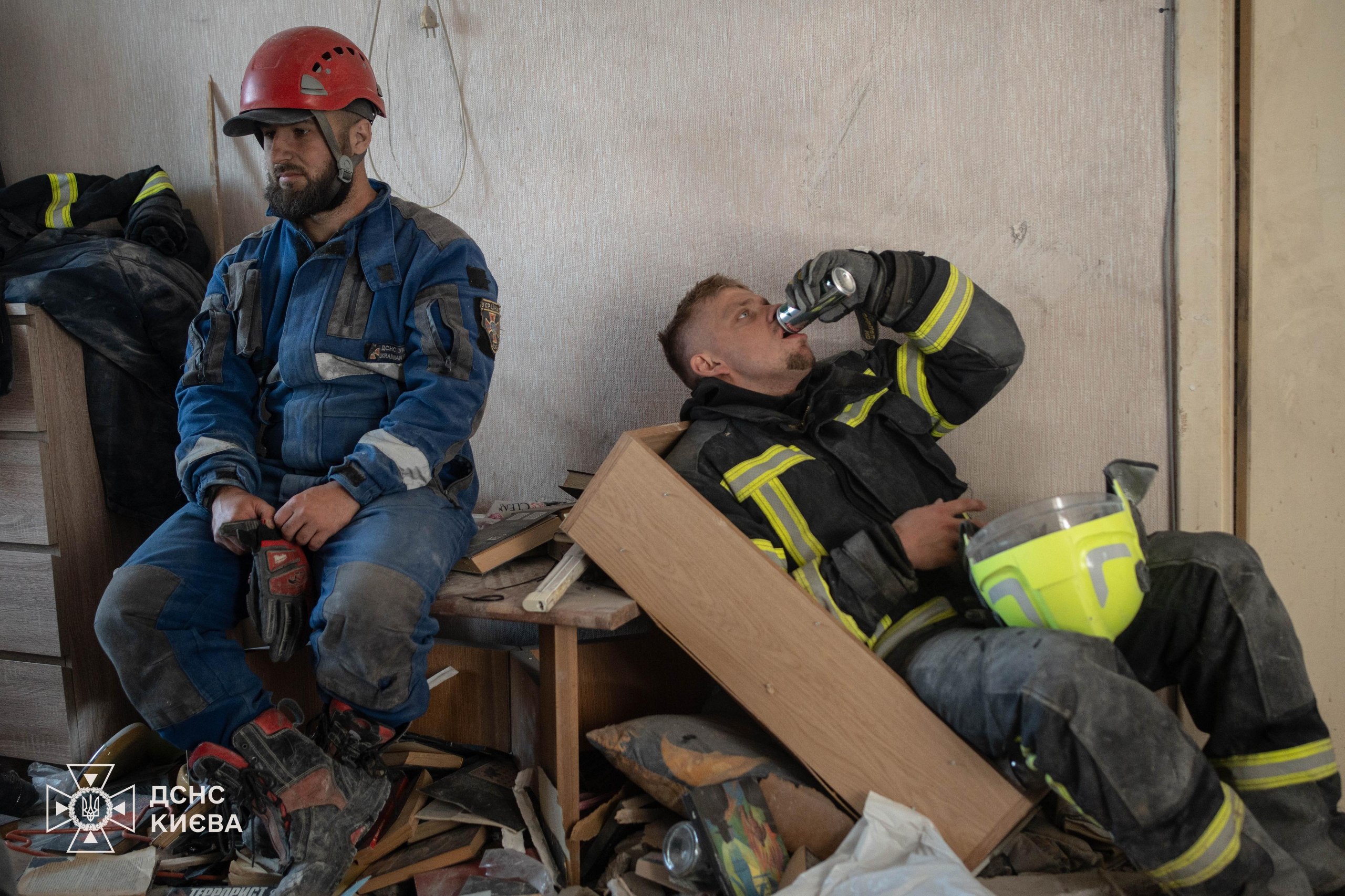
Date: July 6, 2026
Location: Kyiv
Type of attack: Mass Russian combined missile and drone attack involving 68 missiles and 351 unmanned aerial vehicles. According to the Ukrainian Air Force, Russia employed 23 Iskander-M/S-400 ballistic missiles and 6 Zircon/Onyx anti-ship missiles, alongside hundreds of attack drones. Kyiv and Kyiv Oblast were the primary targets.
Target/damage:
Casualties:
Ukrainian air defence intercepted 363 aerial targets, but officials acknowledged that none of the ballistic or Zircon/Onyx missiles was intercepted because of a shortage of interceptor missiles for Patriot air defence systems.
The attack struck 34 locations, while debris from intercepted missiles and drones fell at 16 additional sites.
Rescue operations in Kyiv involved 394 emergency responders and 95 units of specialised equipment.
The Bucha district, particularly the town of Vyshneve, suffered the most severe damage. Nearly five streets were devastated, with dozens of homes and civilian infrastructure facilities damaged. Because of the risk of secondary explosions, emergency services evacuated more than 600 residents, including 117 people who had taken shelter in a bomb shelter located near the blast site.
The attack also damaged homes and civilian infrastructure in the Vyshhorod, Brovary and Fastiv districts, disrupting railway operations and forcing temporary changes to public transportation.
Kyiv and Kyiv Oblast again became the primary target only four days after the previous mass strike, illustrating the increasing frequency of large-scale Russian attacks on civilians.
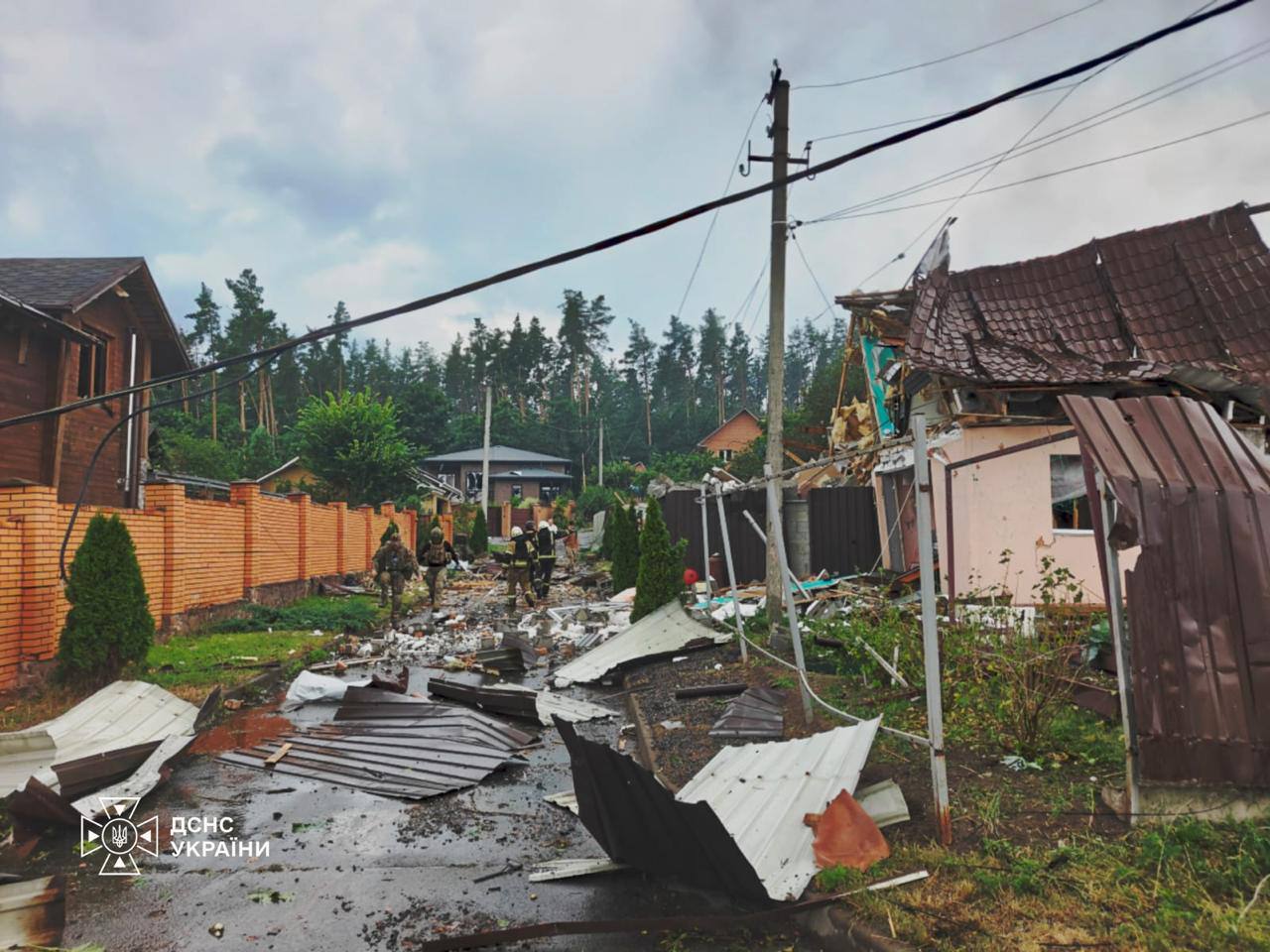
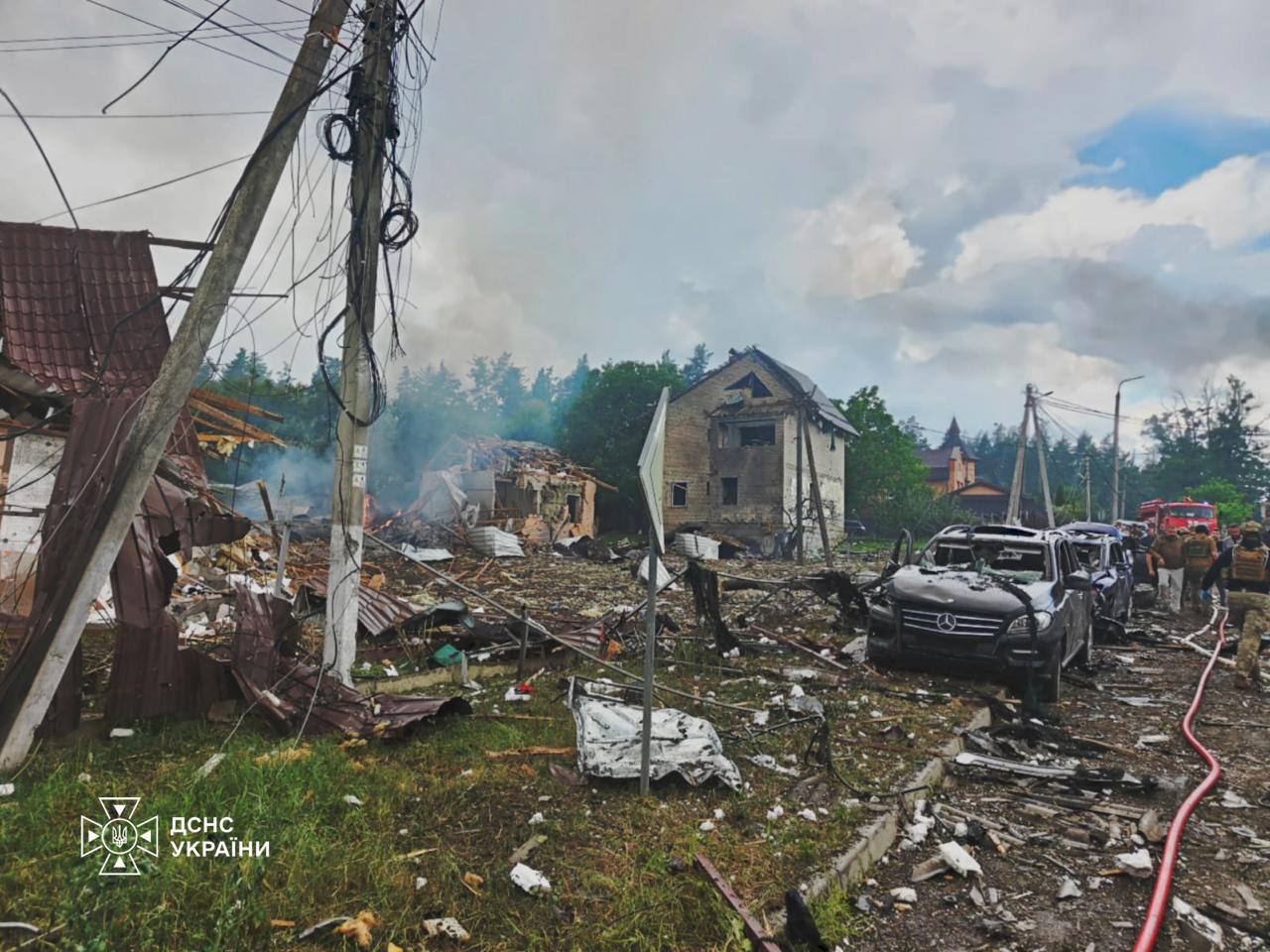
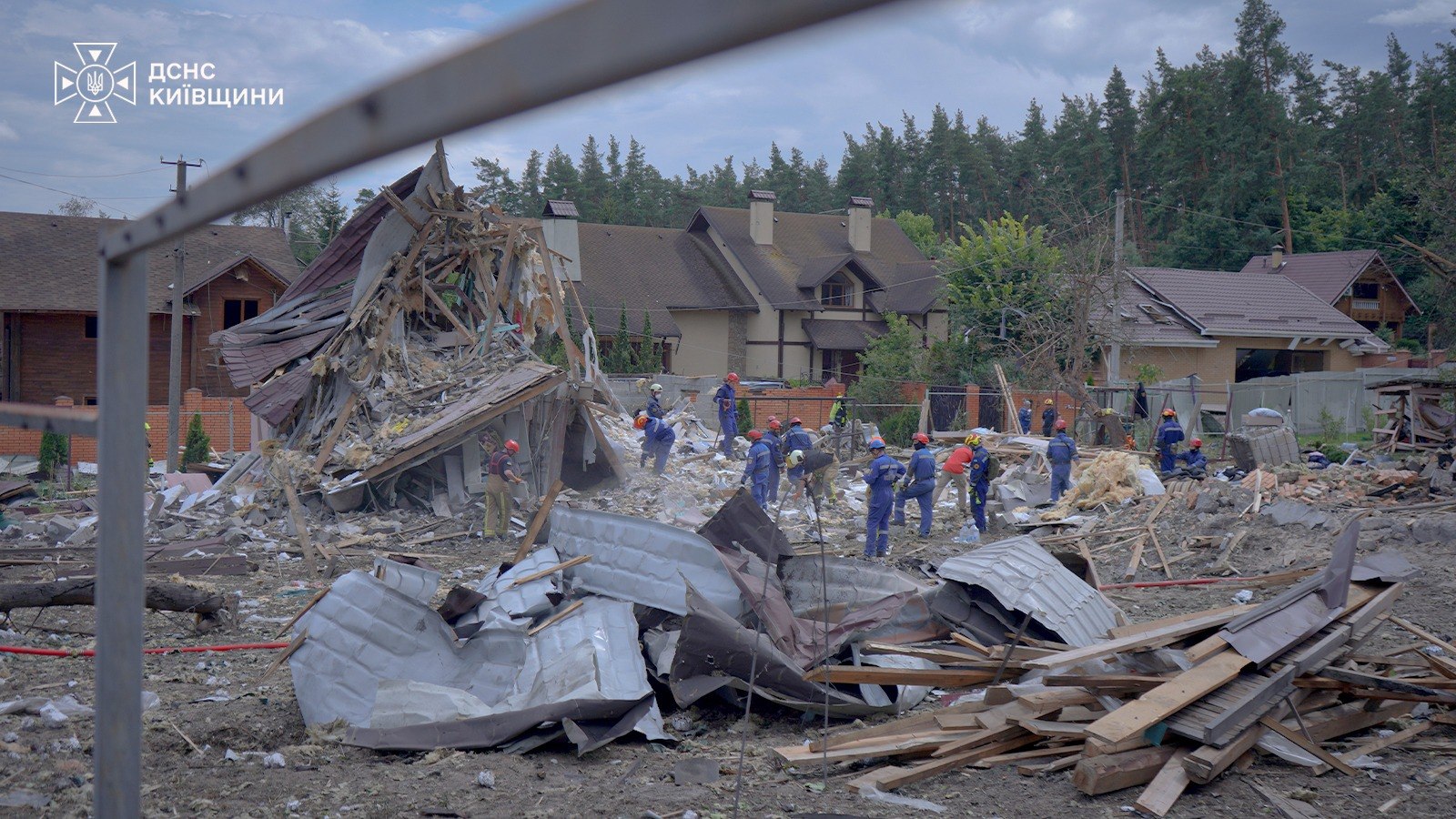
Date: July, 24
Location: Kyiv Oblast
Type of attack: Russian missile strike. According to the Ukrainian Air Force, Russia launched three missiles toward Kyiv Oblast; one was intercepted by air defence, while two struck the area.
Target/damage:
Casualties:
Russia's Ministry of Defence claimed the strike targeted a site where unmanned aerial systems (UAS) were being demonstrated to drone developers, representatives of Ukraine's Unmanned Systems Forces and security services.
The General Staff of the Armed Forces of Ukraine and the leadership of the Kyiv Regional Military Administration officially emphasise:
Following the attack, Ukrainian prosecutors opened a separate criminal investigation into the possible negligence in organising and securing the event, alongside the investigation into the Russian war crime.
The investigation focuses on determining how information about the event's location, time, and participants could have reached Russia. Law enforcement also checks compliance with security requirements during the organisation of the event and identifies all those involved.
The General Staff stressed that, regardless of ownership, organisers of large public events during wartime must implement maximum security measures and ensure access to shelters.
Date: August 5
Location: Kyiv and Kyiv Oblast
Type of attack: Massive Russian combined missile and drone attack. Ukrainian authorities reported that Russia launched 24 ballistic missiles, 4 missiles identified as Zircon or Oniks, and 115 drones against Ukraine.
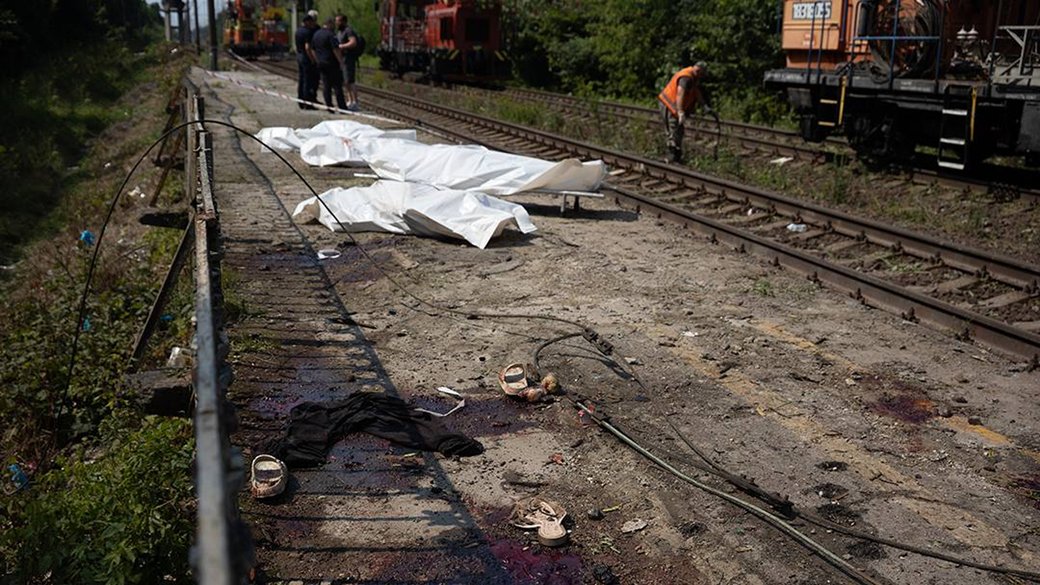
Target/damage: One of the deadliest sites was a railway station in Brovary district, Kyiv Oblast, where 8 people were killed.
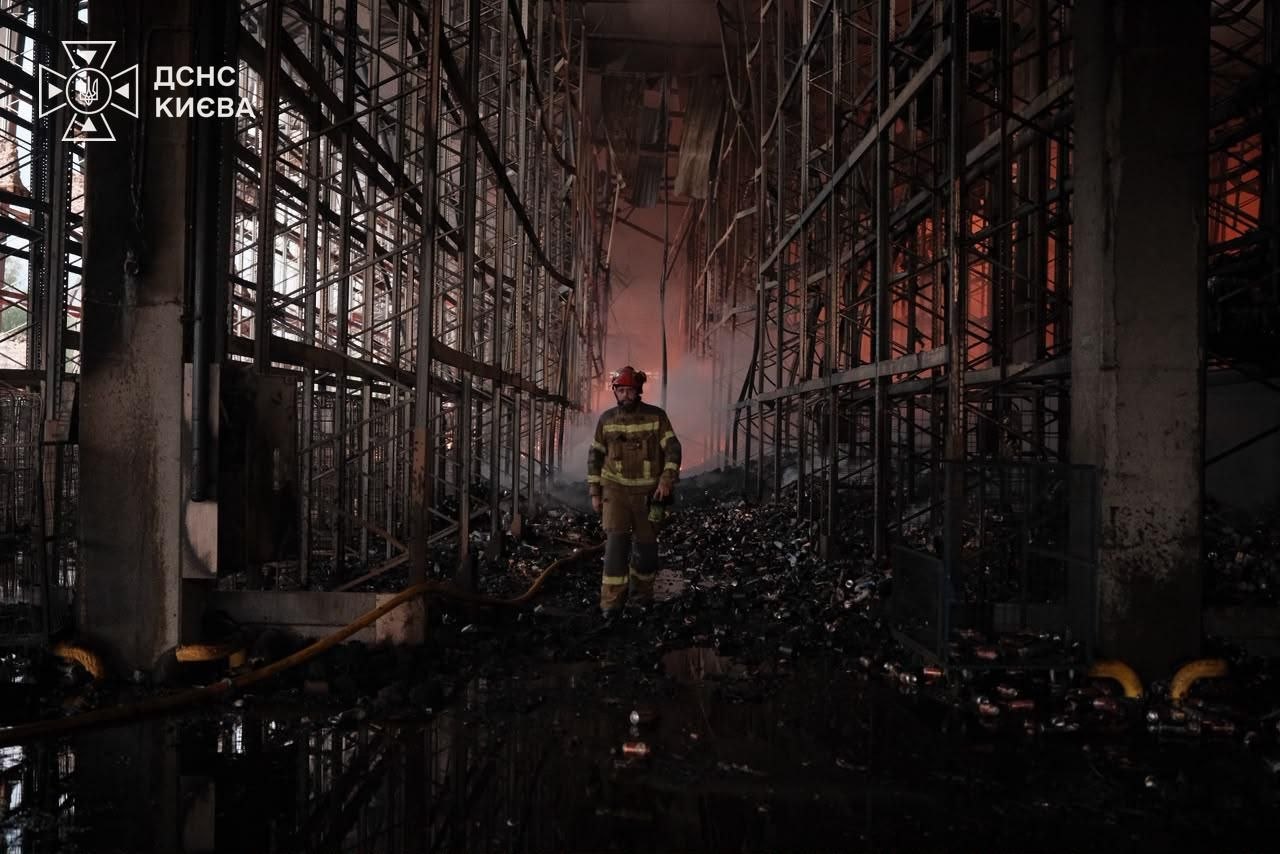
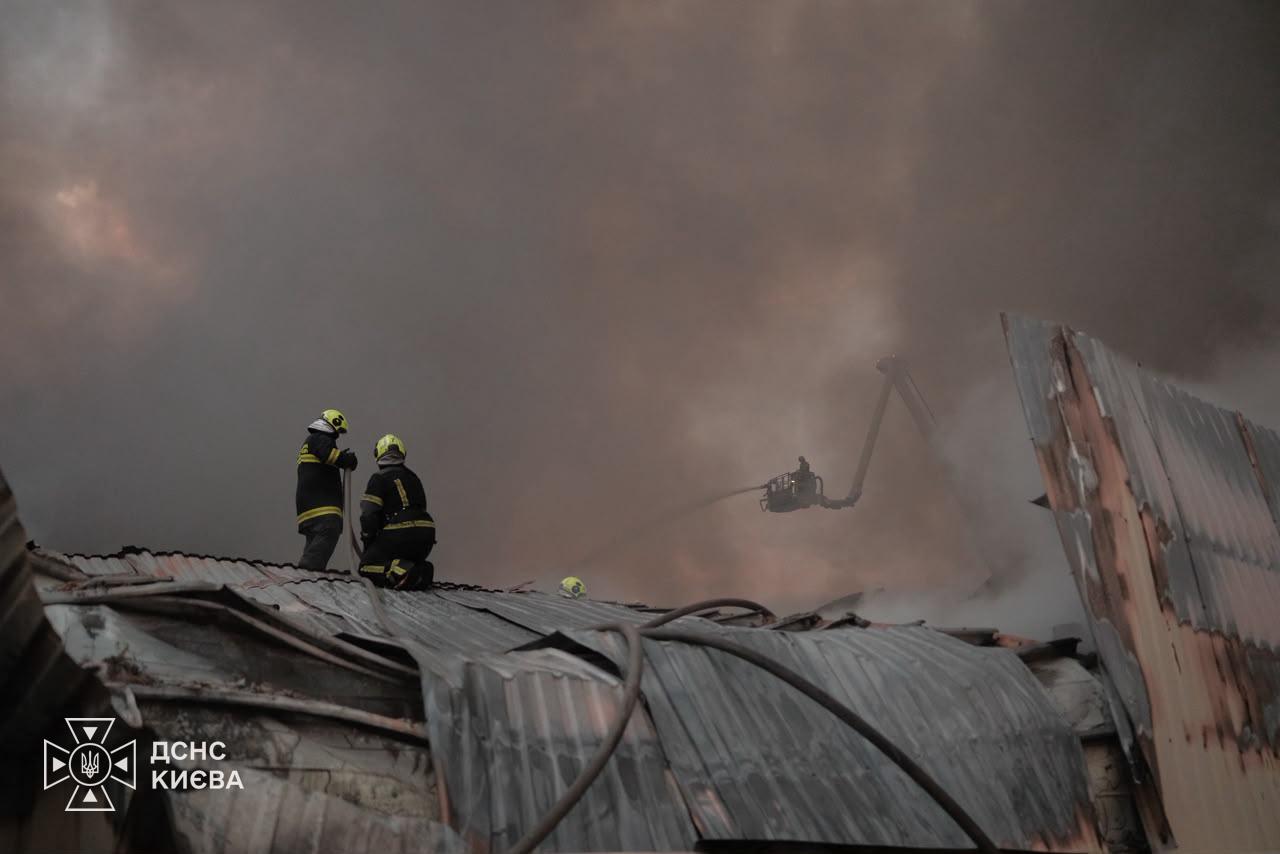
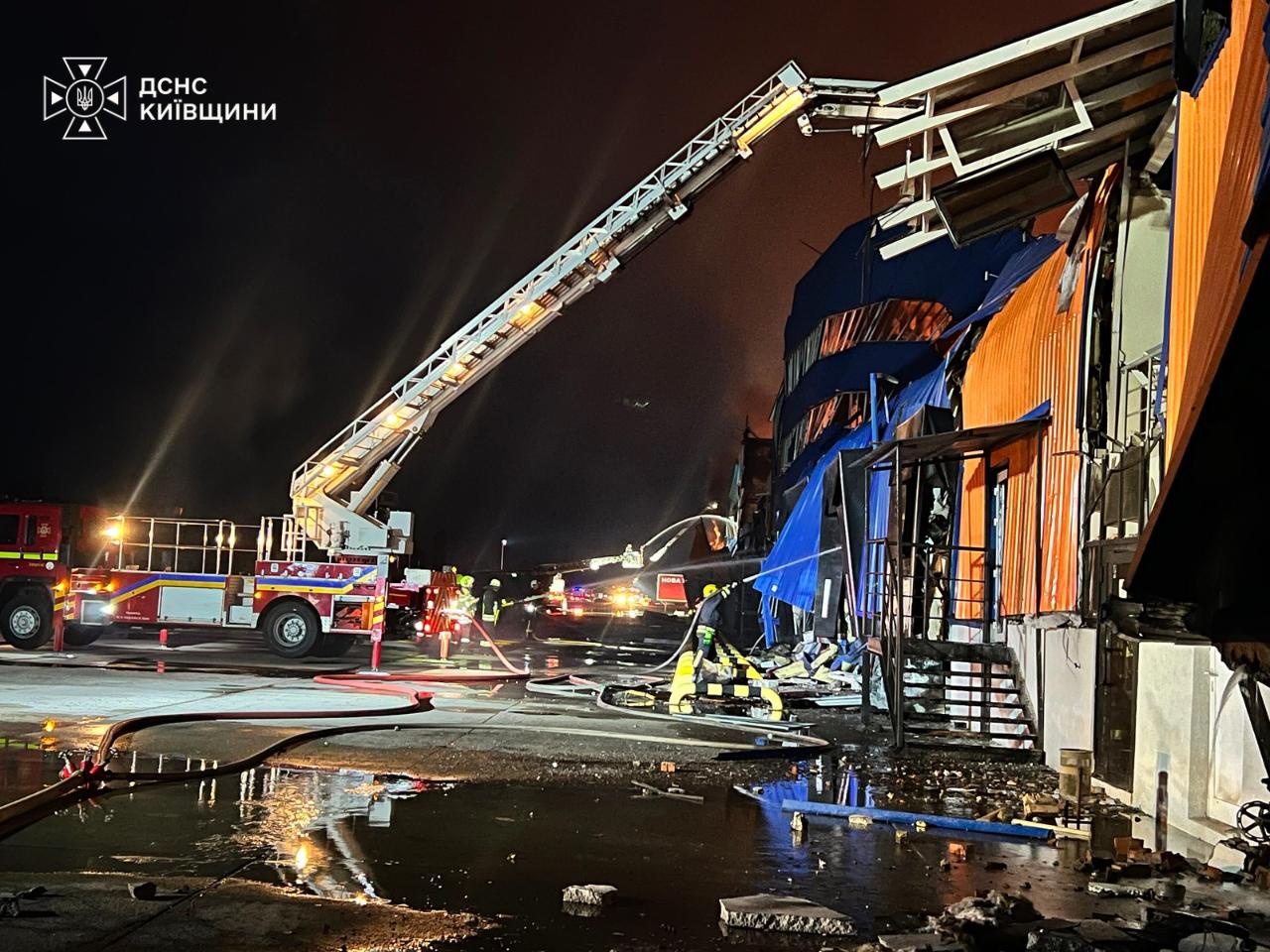
The attack damaged and destroyed civilian and logistics infrastructure in Kyiv and the surrounding region, including a brewery, a construction-material warehouse, a mail-sorting facility, food and retail warehouses, logistics and distribution facilities, and other civilian infrastructure.
Ukraine's largest private postal operator, Nova Poshta, said a Russian cluster munition destroyed one of its sorting centres in Kyiv.
One employee of Epicentr, one of Ukraine's largest retail and construction companies, was killed and three others were injured when the company's logistics facilities were hit.
Casualties:
Ukrainian authorities reported a critical shortage of interceptors for Patriot air-defence systems.
President Zelenskyy said that Ukrainian air defences were unable to intercept the incoming ballistic missiles during the attack.
Russia's Defence Ministry claimed that the strike targeted transport, logistics and distribution centres connected to Ukraine's war effort. Ukrainian officials, however, highlighted the destruction of civilian businesses and infrastructure, including the brewery, mail-sorting centre and warehouses.
Date: August 18, 2026
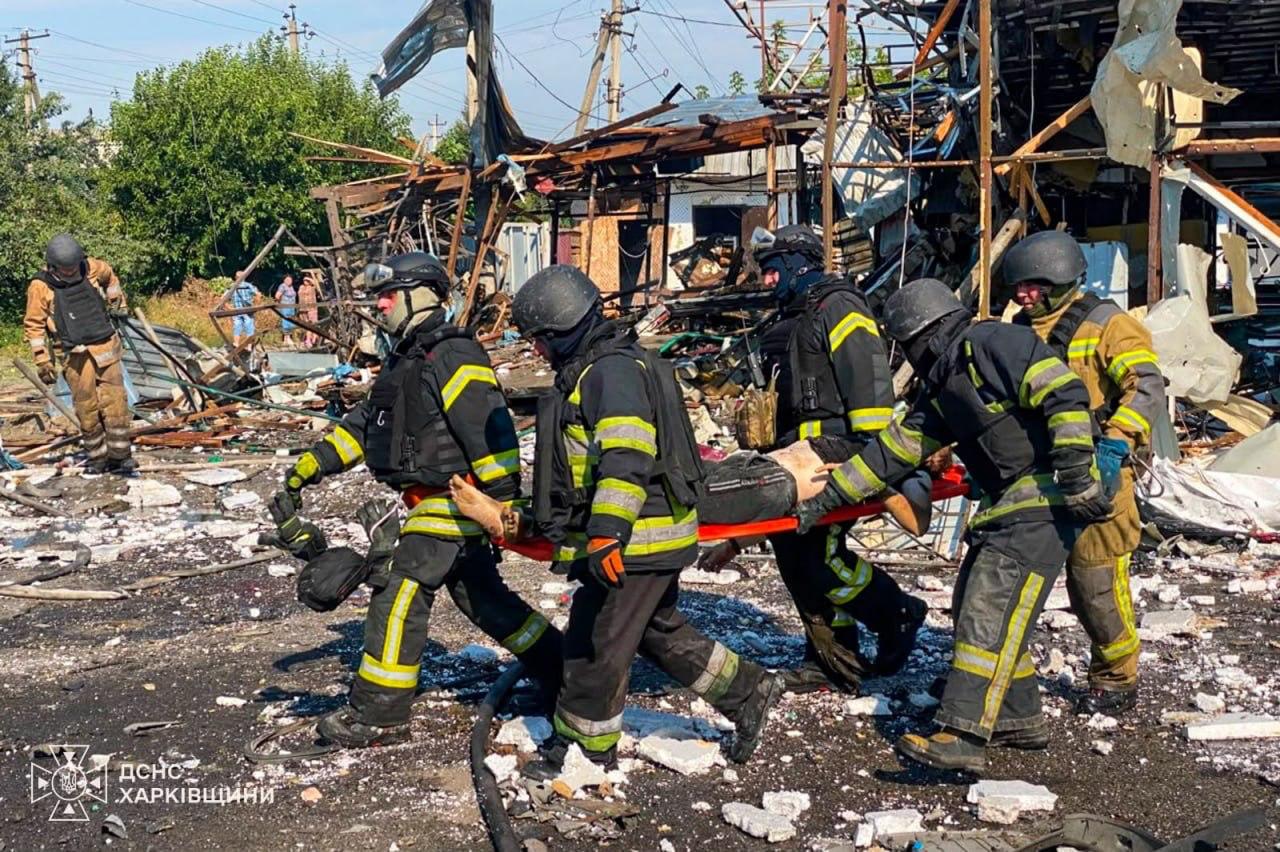
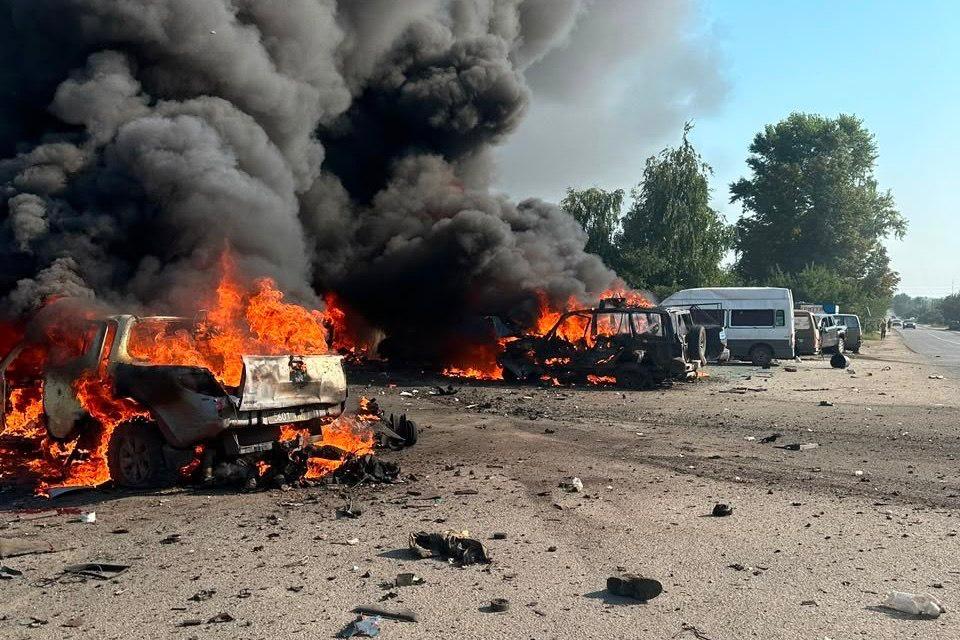
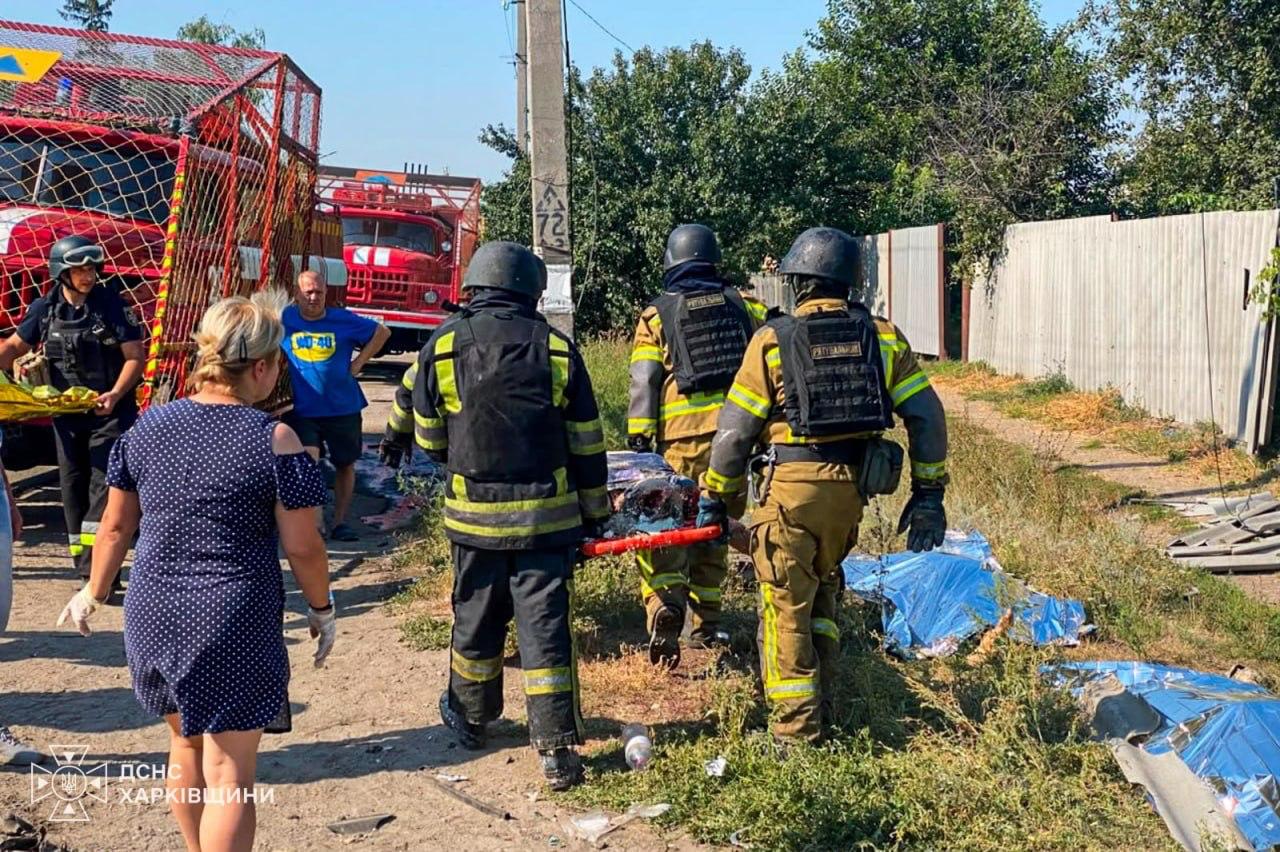
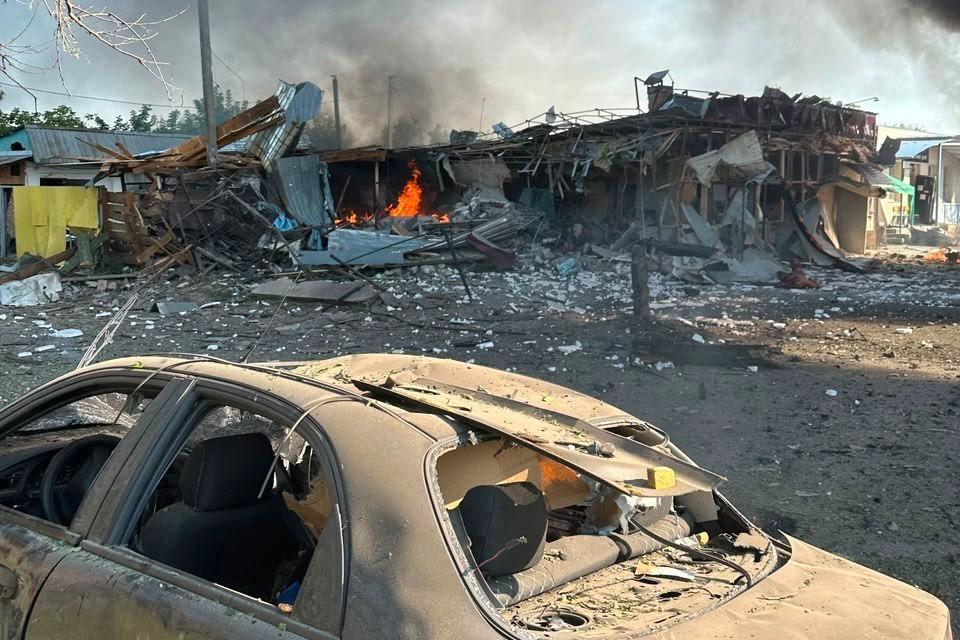
Location: Pechenihy, Chuhuiv district, Kharkiv Oblast
Type of attack: Russian missile strike. According to the Kharkiv Regional Prosecutor's Office, Russian forces launched 2 missiles.
Target/damage: One of the missiles hit a café, where people were present, causing a fire. Seven vehicles also caught fire over an area of approximately 400 square metres. The attack damaged 10 private houses, a post office, five shops and 15 vehicles.
Casualties:
The road T-21-11 Chuhuiv-Pechenihy-Velykyi Burluk was temporarily closed to all traffic following the strike. Traffic was restored at 4 p.m. Russian target was a gathering of people at a civilian venue and surrounding homes, shops, a post office and vehicles were also damaged.
Russia's attacks continue to cause mass civilian casualties not only in Ukraine's largest cities, but also in smaller communities.
We would like this list to remain short, but it probably will not.
Even as peace was discussed in diplomatic formats, each new attack added another date, another place, another group of names that should never have been recorded in this way.
Summer 2026 proves Russia may struggle to achieve victories on the battlefield, but it continues to produce destruction to civilian life. As the Kremlin evades meaningful negotiations, its most tangible "gains" are measured in destroyed homes, damaged civilian infrastructure, and Ukrainian lives lost.
This publication was compiled with the support of the International Renaissance Foundation. It's content is the exclusive responsibility of the authors and does not necessarily reflect the views of the International Renaissance Foundation.


