

On June 6, 2023, Russian military forces destroyed the Kakhovka Dam, the last dam in the Dnipro reservoir cascade. This dam regulated water supplies throughout southern Ukraine, supported agriculture, industry, and local communities, and formed one of Europe's largest reservoirs.
It wasn't an accident, nor an unintended result of war actions. It was a deliberate break in a system that had regulated water, land and life for decades.
When the dam was destroyed, that system collapsed almost instantly - water that had been carefully managed became an uncontrollable force.
The whole world saw the immediate consequences: entire settlements downstream were flooded, thousands evacuated, homes, roads and infrastructure damaged or destroyed. The significance of this disaster lies not only in the destruction of a single dam, but in what it revealed:that in Russia's war, infrastructure itself can and will be a target.
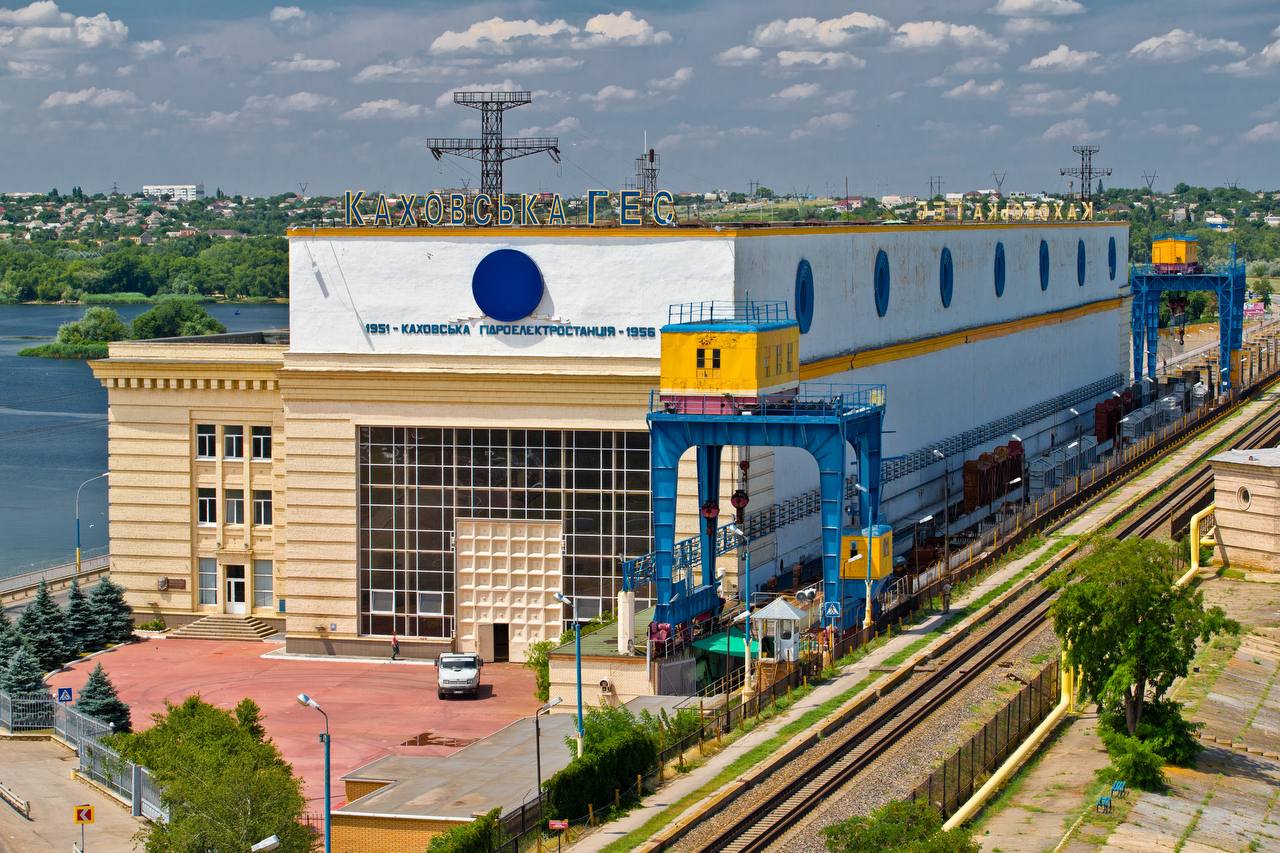
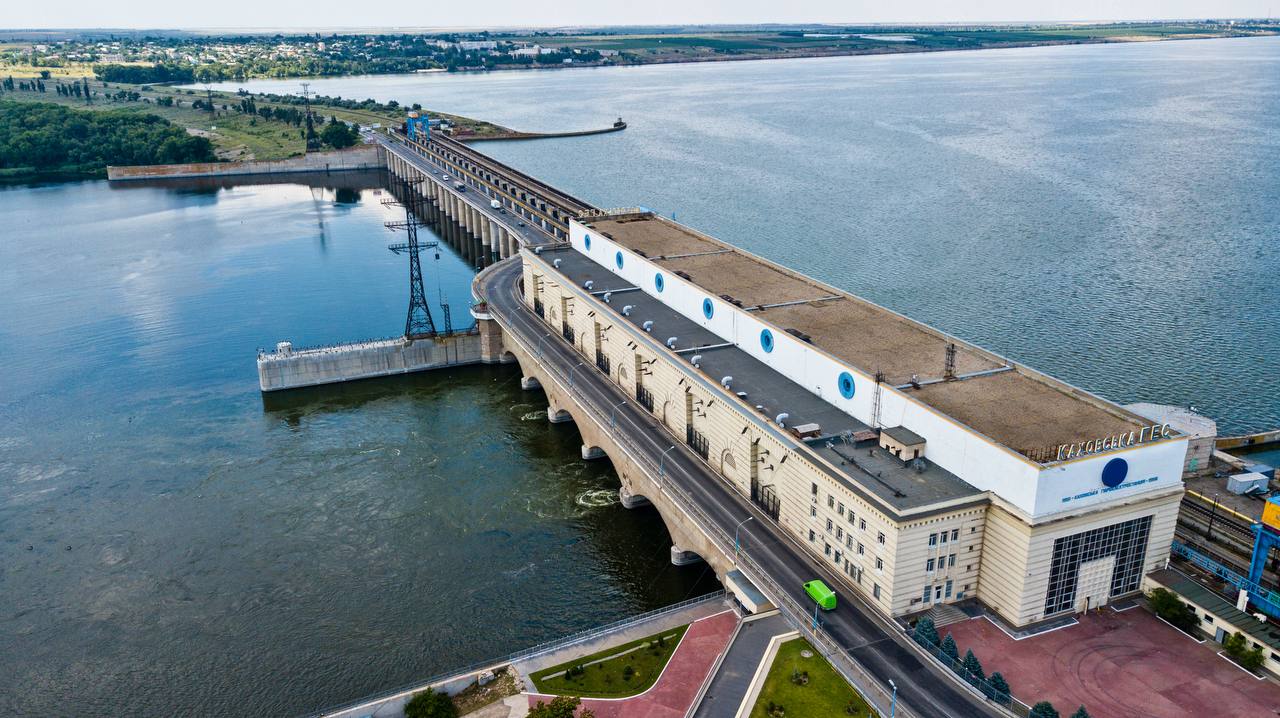
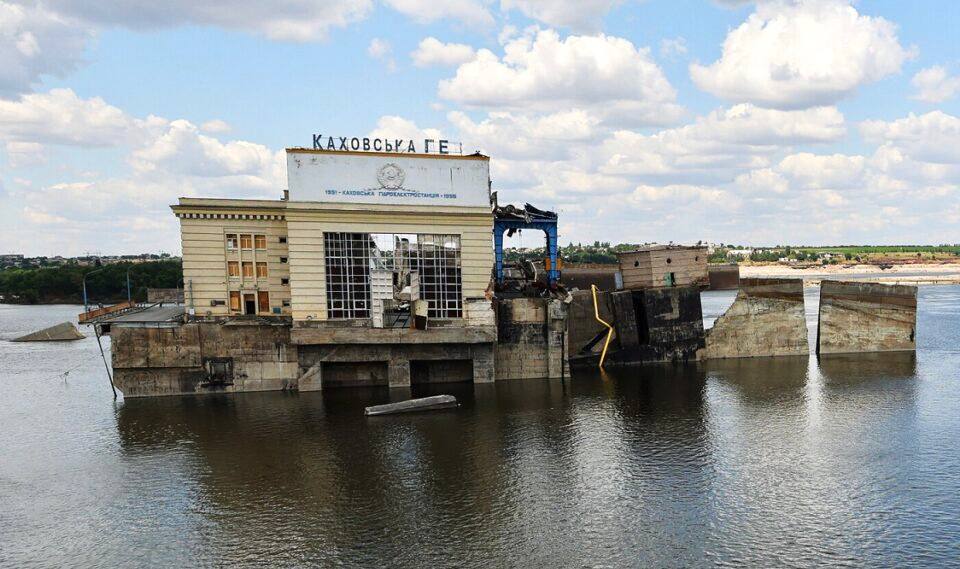
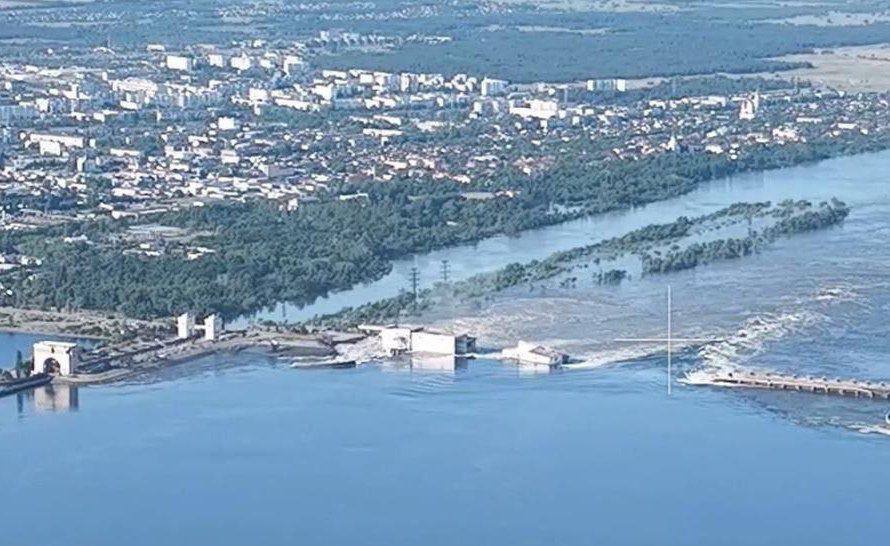
According to a Post-Disaster Needs Assessment by the government of Ukraine and the United Nations, direct damage reached approximately $2.8 billion, and total losses exceeded $11 billion. However, a full on-the-ground evaluation was limited, as a significant part of the affected area remained under temporary Russian control.
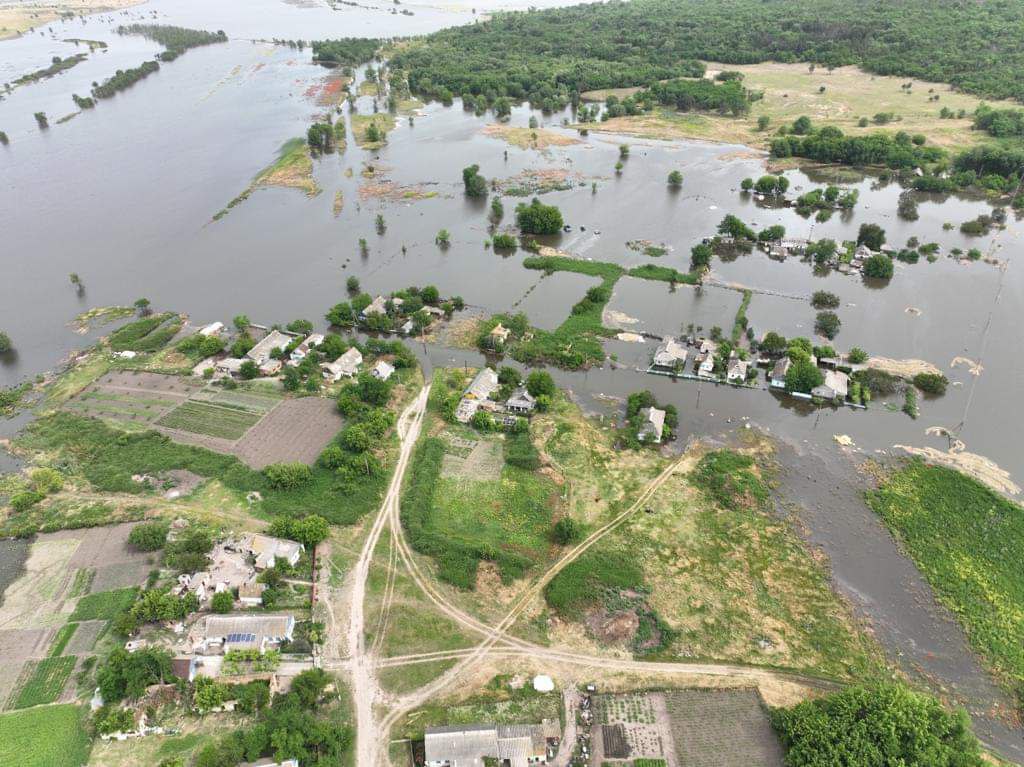
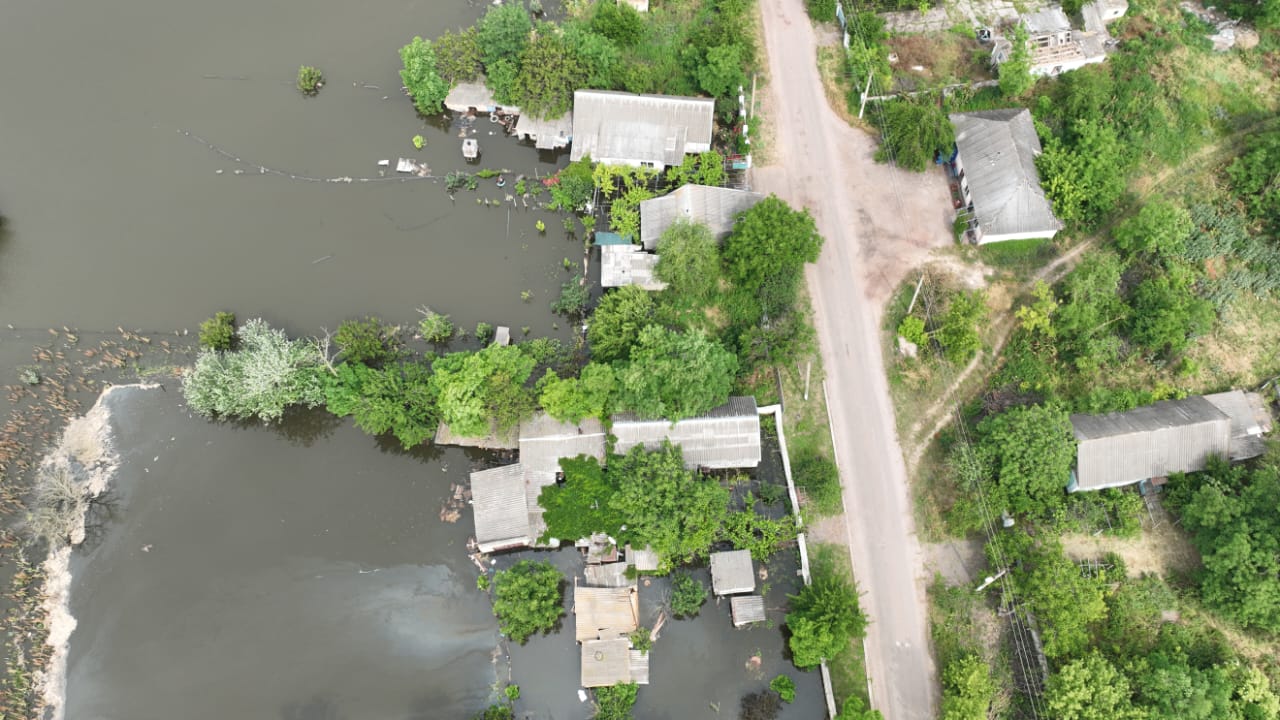
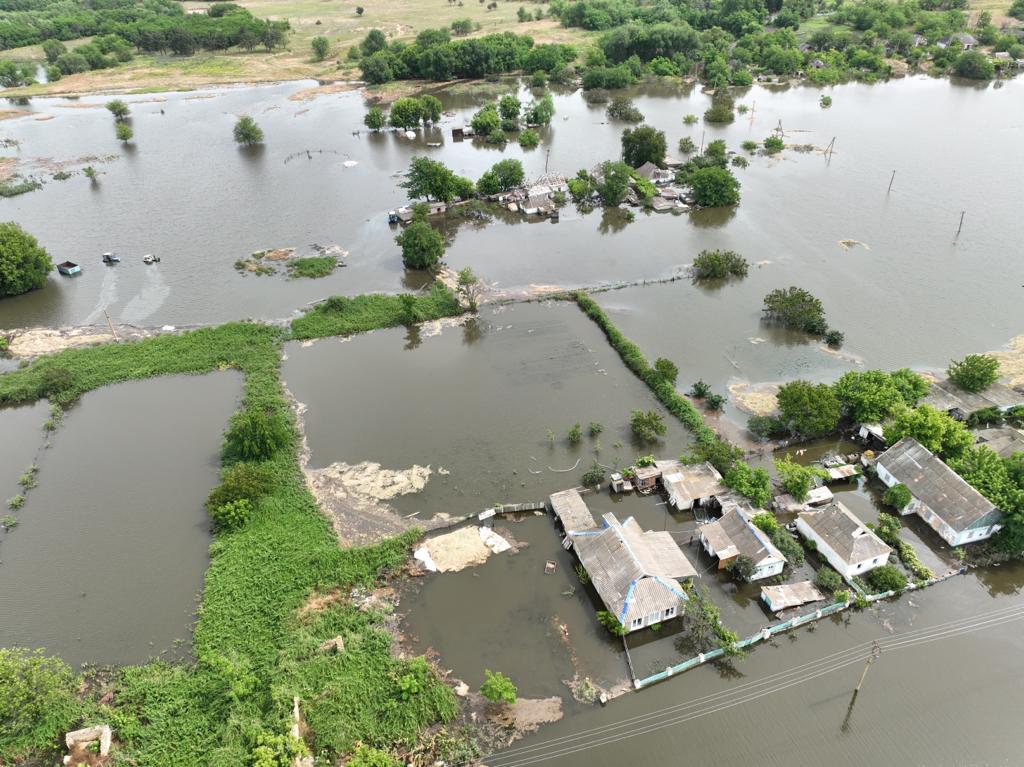
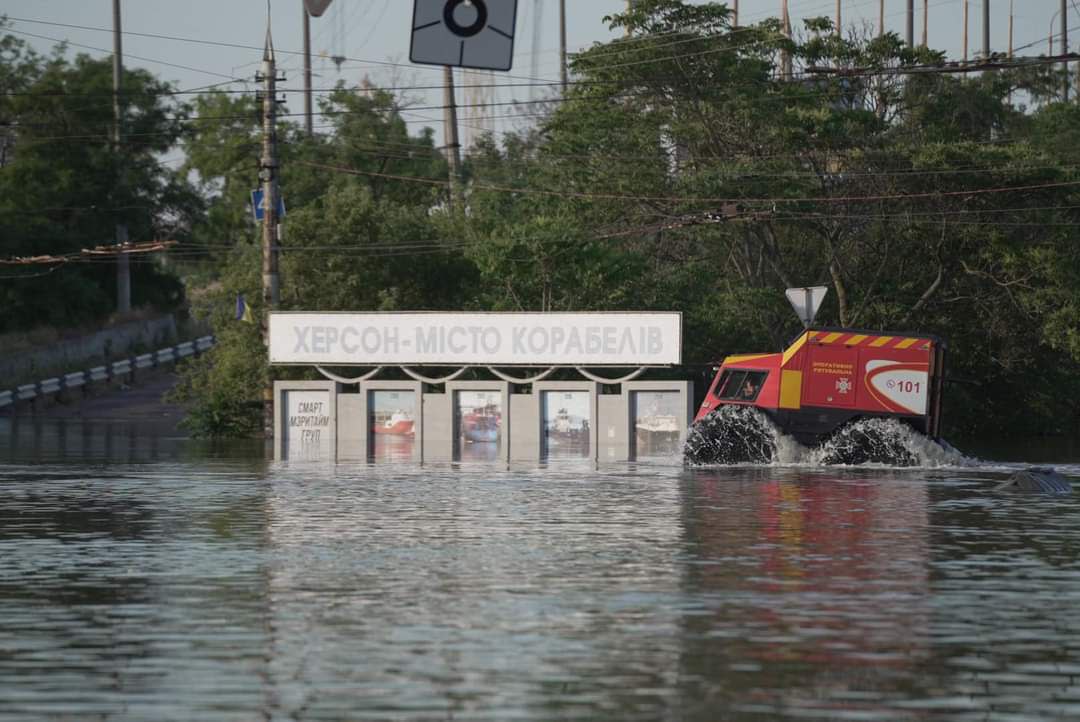
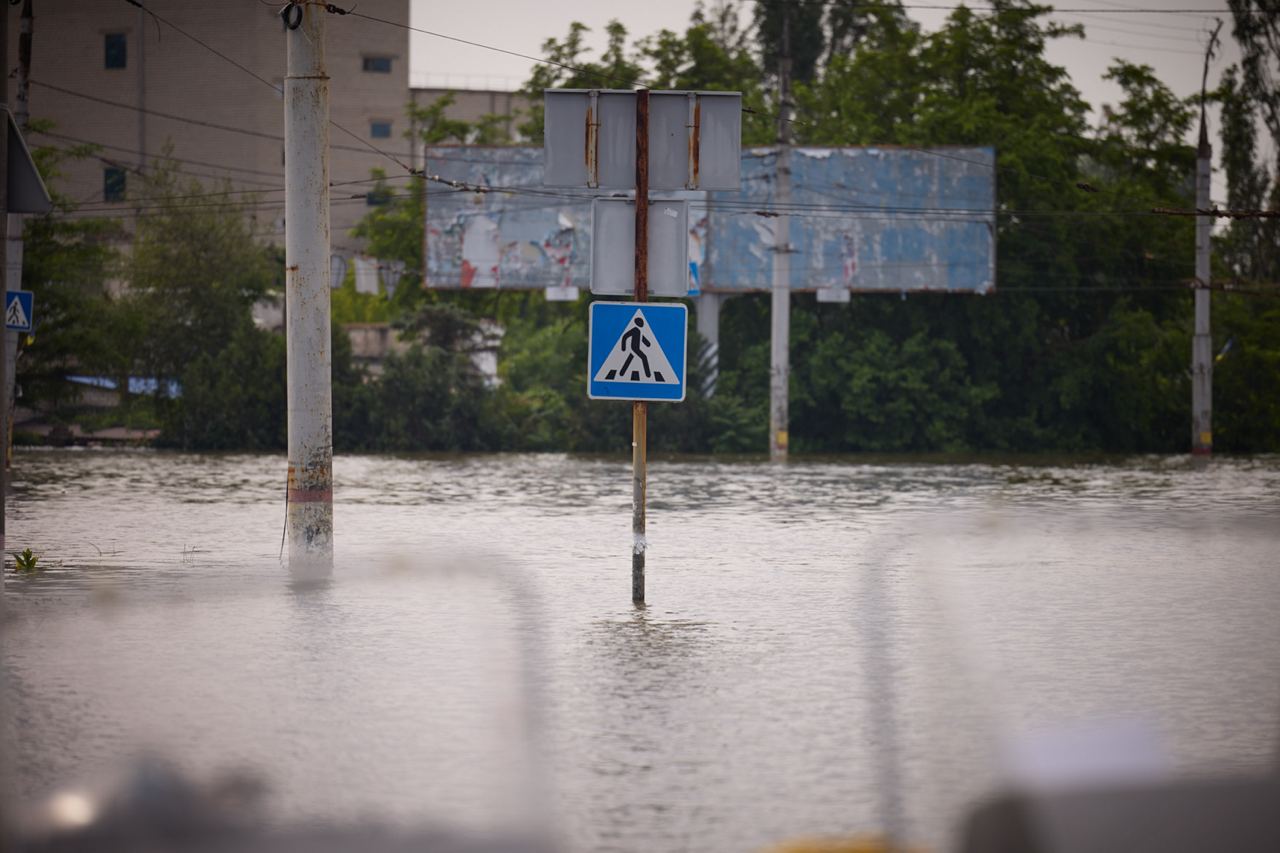
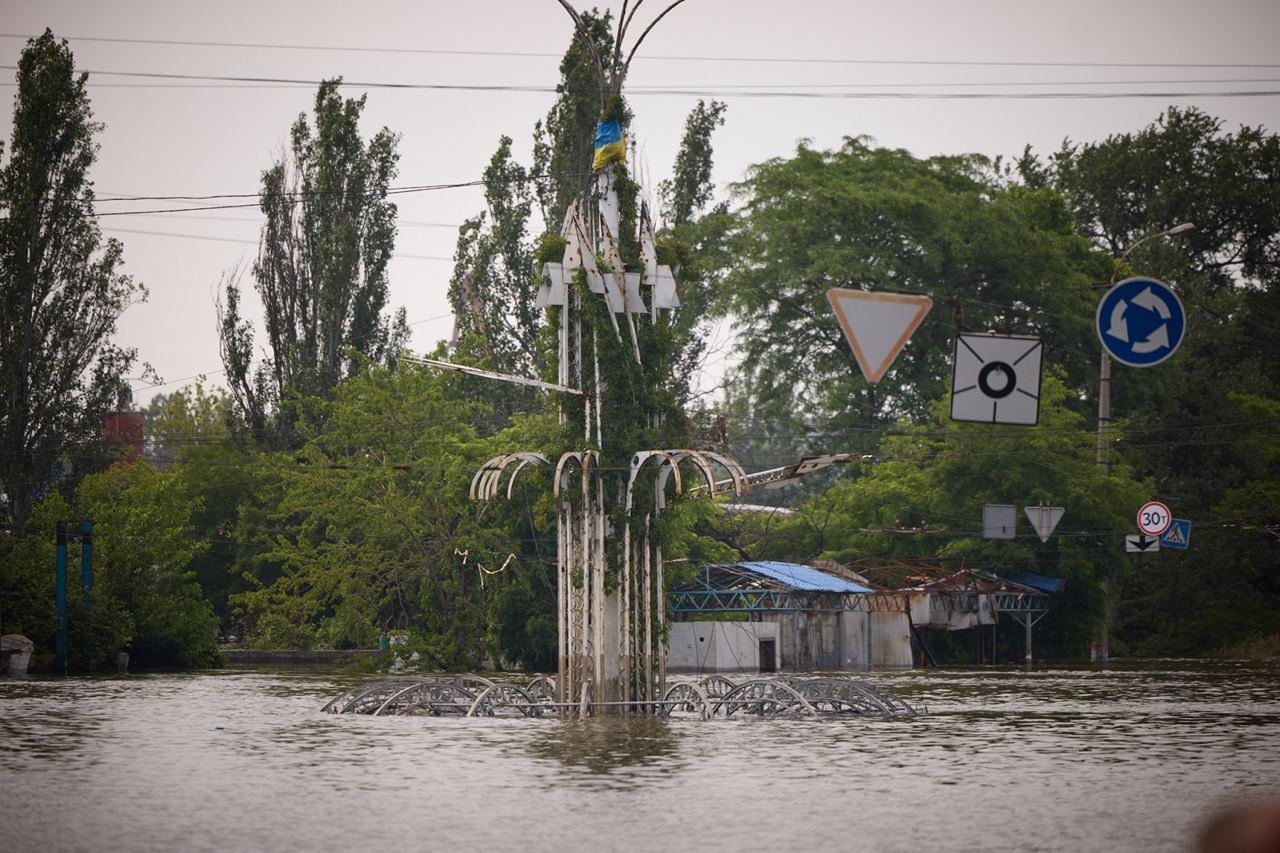
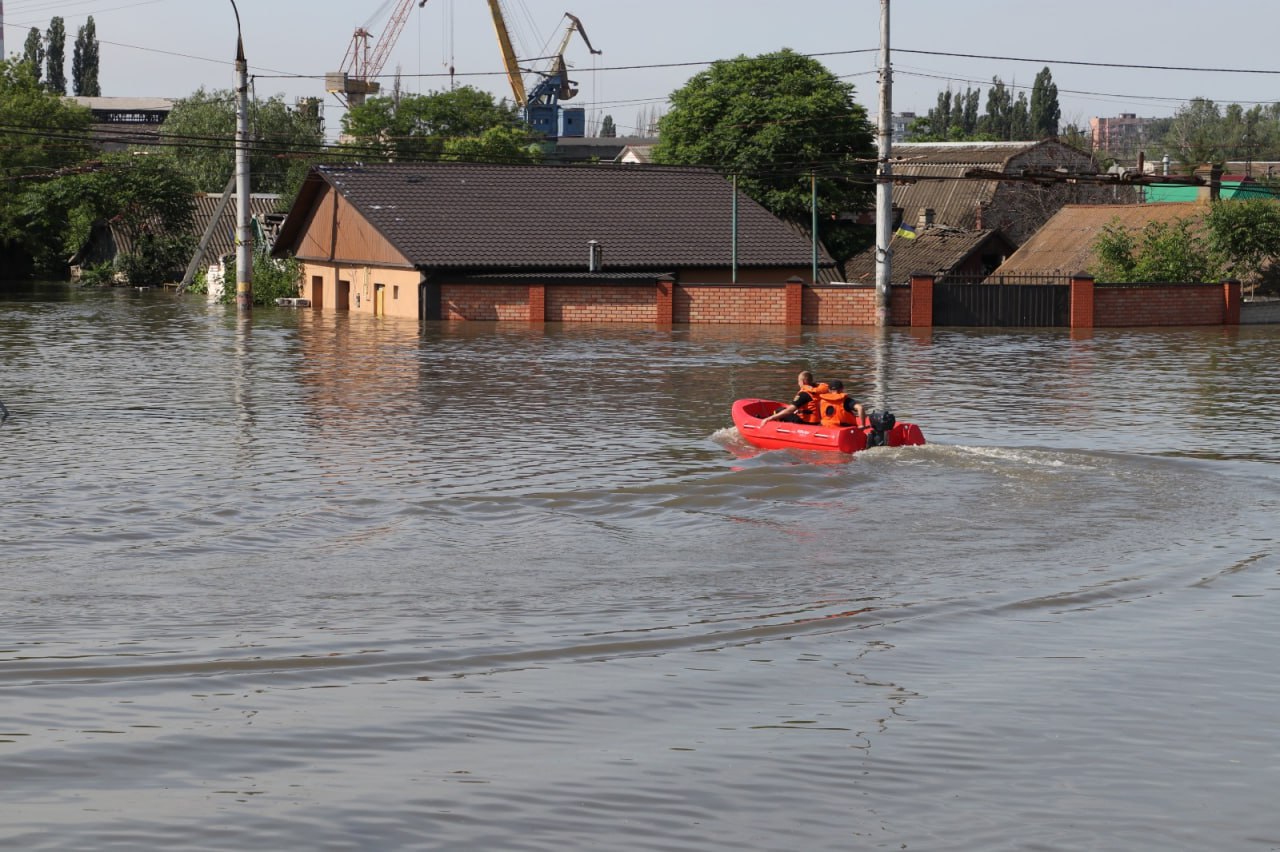
The most significant impact wasthe loss of ecosystem services,as flooding affected protected areas and forests, including internationally significant conservation sites, with long-lasting damage to biodiversity and local climate conditions. In addition, the movement of mines and unexploded ordnance has left large areas hazardous and difficult to restore. Toxic sediments accumulated in the reservoir bed over decades and were carried downstream, posing risks to ecosystems in the Dnipro River and the Black Sea.

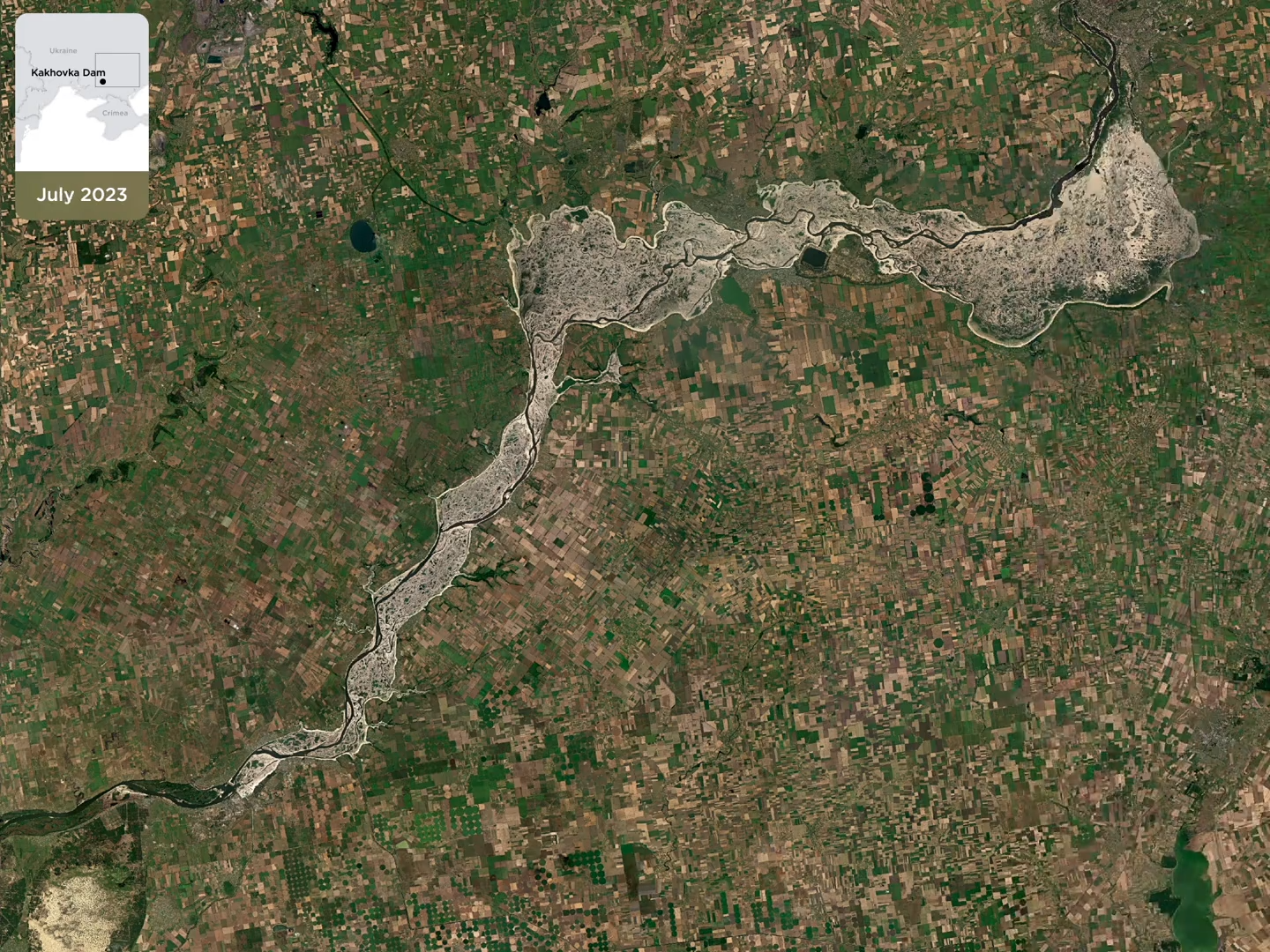
The lower geographical position of the left bank of the Dnipro River led to more severe flooding.
According to "When the Water Screams", a documentary by Olesia Bida for The Kyiv Independent, no organised evacuation was conducted in the occupied areas. Instead, residents reported information blackouts, denial of the scale of the flooding, confiscation of boats and equipment used for rescue operations, attacks on evacuation boats, intimidation of volunteers and restricted access to medical and emergency services.
The exact number of fatalities cannot be accounted properly,
with the occupation authorities blocking the issuance of death certificates, preventing medical professionals from examining bodies and restricting families from retrieving and burying the deceased. Many people are still considered missing.
The greatest human and nature impacts were concentrated on the occupied left bank of the Dnipro River,
below the dam, where conditions during and after the flooding were most severe.
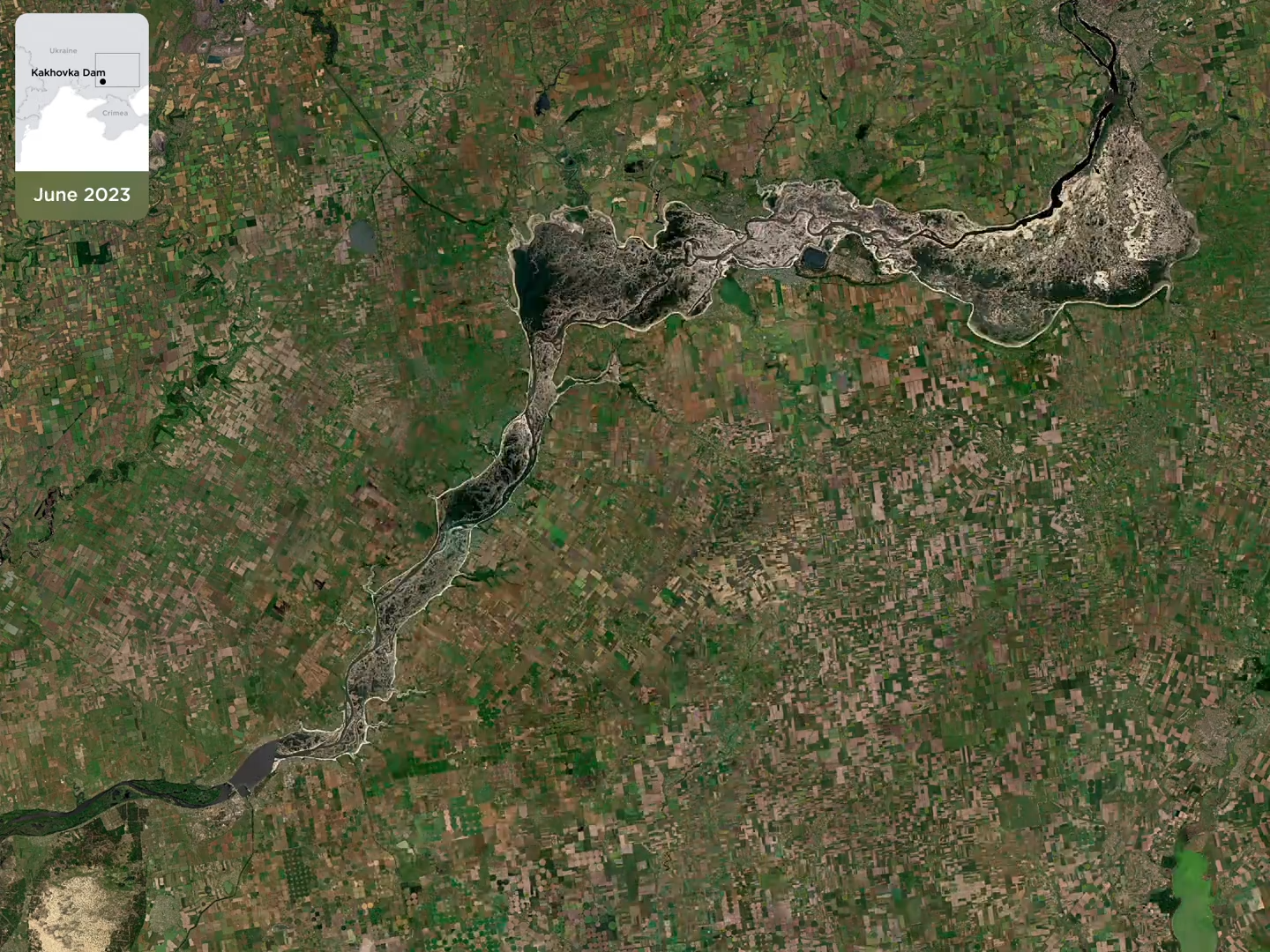
Upstream of the former Kakhovka Dam, the disappearance of the reservoir has exposed vast floodplains and triggered unexpected ecological changes, though its recovery remains under wartime conditions.
The Great Meadow (Velykyi Luh) is a historic and ecological landscape in the lower Dnipro region, once submerged under the Kakhovka Reservoir for decades. Following the destruction of the Kakhovka Dam, the area has begun a rapid and unexpected process of ecological transformation and rewilding.
Team of the recent project by Suspilne Dnipro reports that the landscape of the Great Meadow is gradually shifting back toward a natural floodplain ecosystem,
with new waterways, islands and forested areas forming:
At the same time, researchers emphasise that large parts of the territory remain inaccessible due to ongoing shelling, drone activity, and landmines, making a comprehensive scientific assessment extremely difficult.
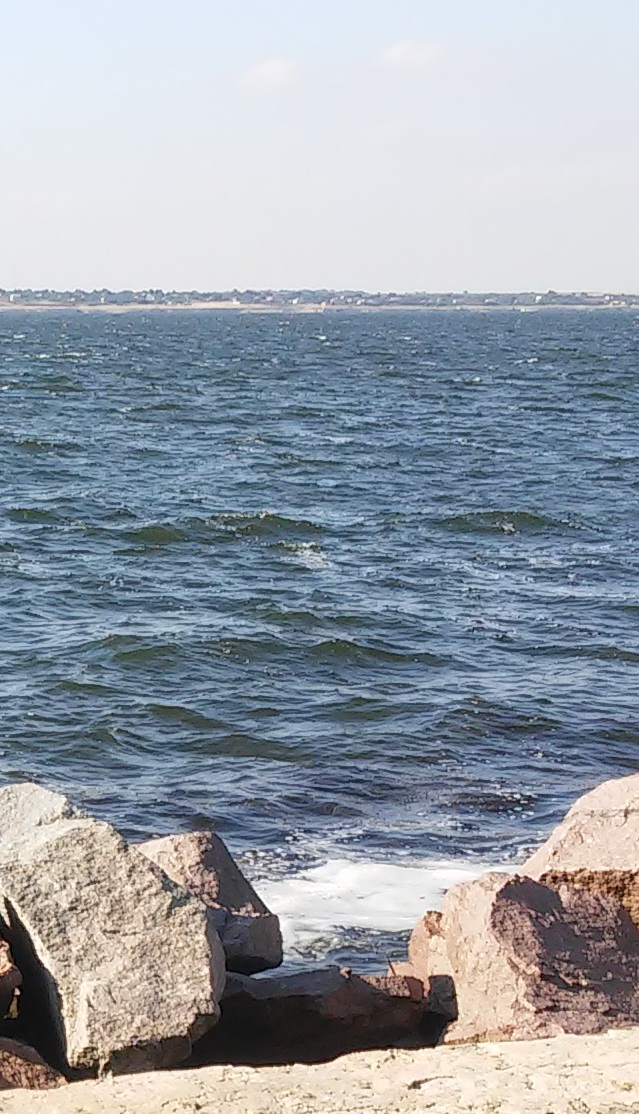
Beyond its strategic and economic importance, the Kakhovka Dam was also part of Ukraine's lived geography. For many Ukrainians travelling between regions, or returning home to the left bank of the Dnipro River, or heading south toward the Black Sea and the Azov Sea coasts, it was a special point along the journey - it meant that they would soon reach their destination.
Its destruction removed not only infrastructure, but also a recognisable element within the country's mental map.
Three years later, Kakhovka dam matters not only because of what happened there, but because of what it revealed - critical water infrastructure could become a deliberate target in Russia's war. It was a proof of clear patterns of the Kremlin's behaviour in this war - disregard for nature, human life and animals, and the deliberate worsening of already catastrophic conditions.
Water infrastructure, energy networks, transport links and other civilian systems have become part of the Russian battlefield, sometimes even their most important ones. When they do not have victories on the front line, they can show to their inner audience victories over Ukrainian civilians.
This is why Kakhovka is not only a reminder of what happened three years ago. It is a case study of how this war operates, as these actions are not deviations buta consistent, repeated pattern across different levels of Russian military and political behaviour
.
This publication was compiled with the support of the International Renaissance Foundation. It's content is the exclusive responsibility of the authors and does not necessarily reflect the views of the International Renaissance Foundation.


